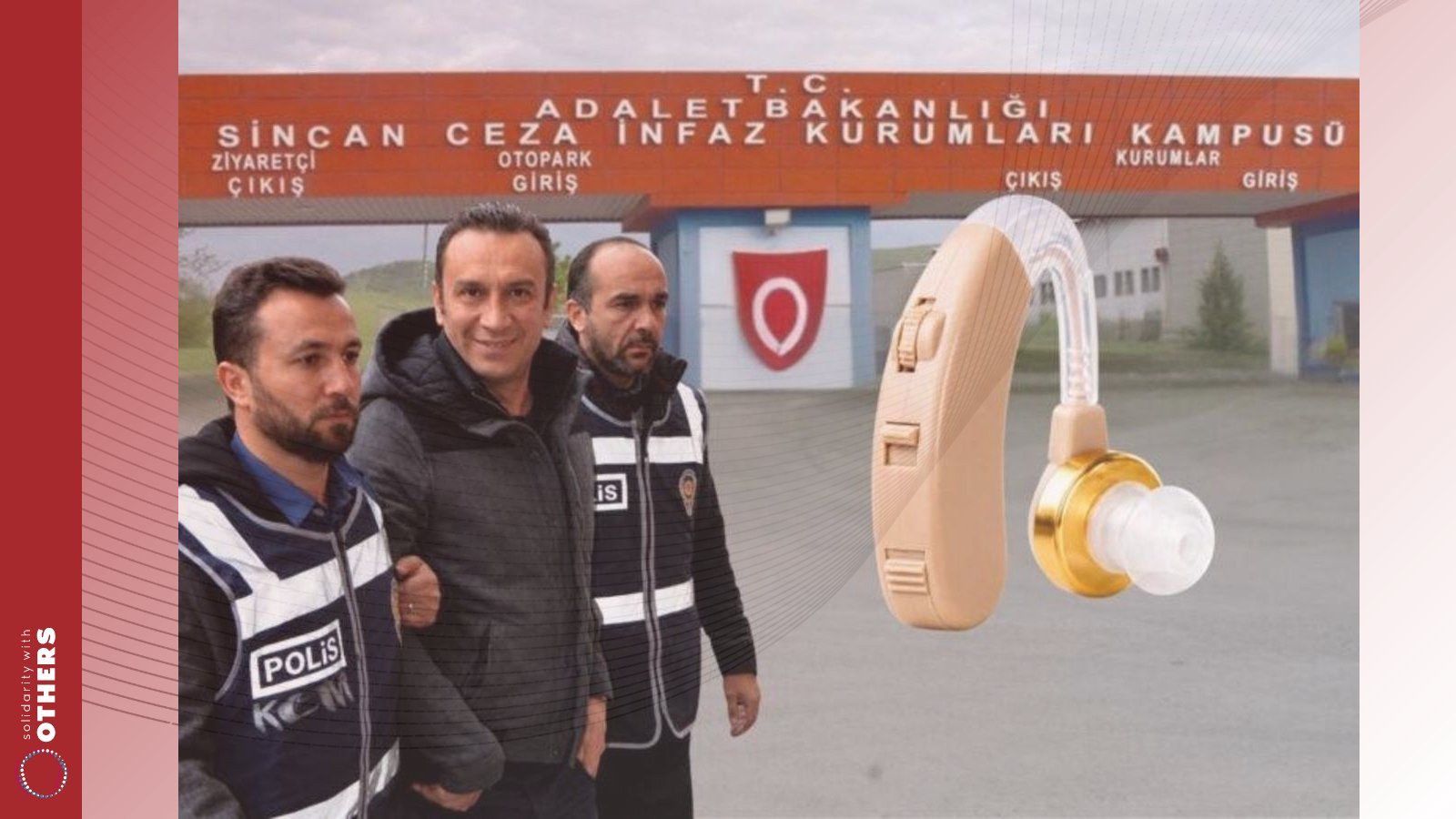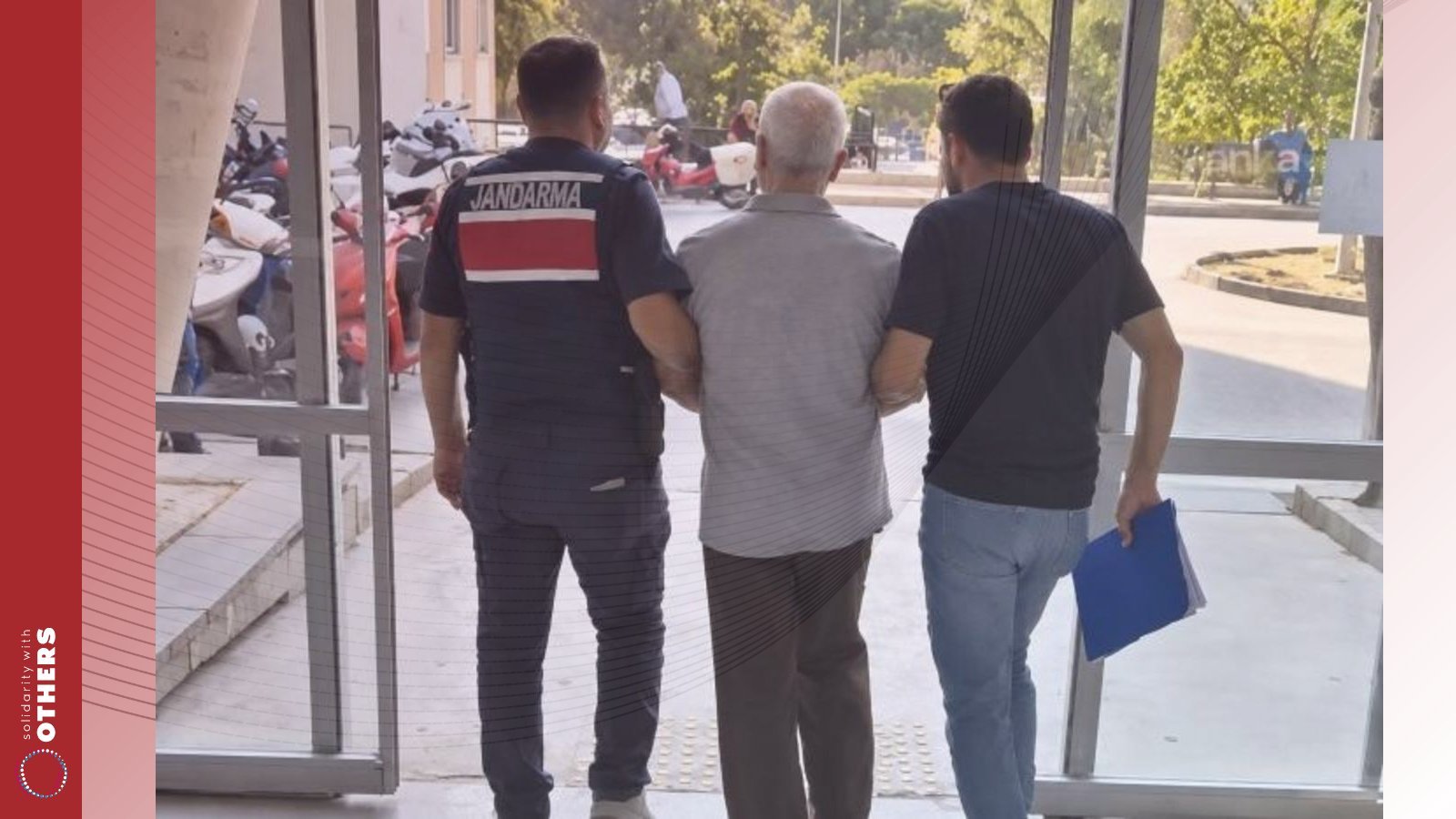


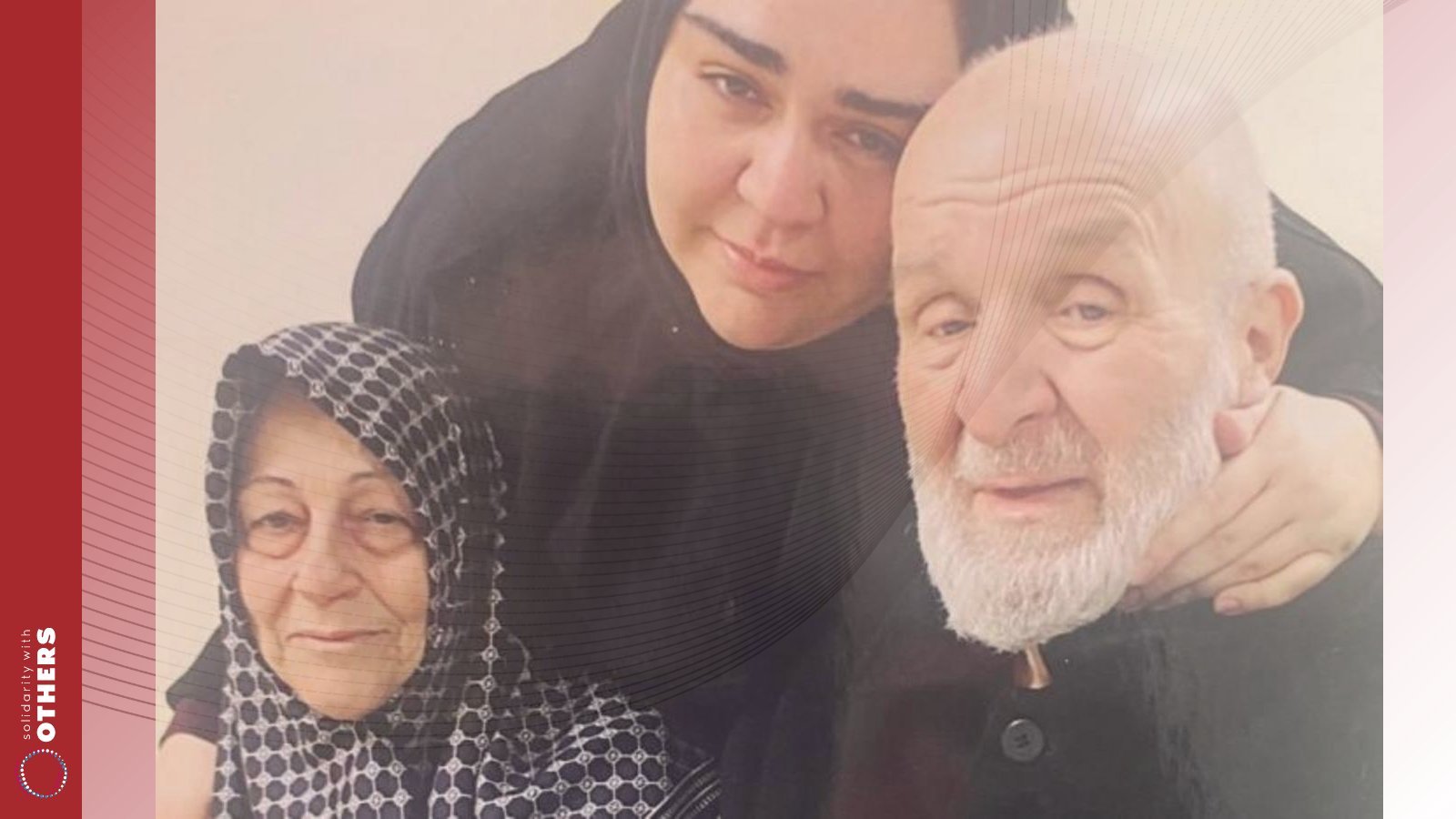
Abdullah Tırpan, 73, ran a meatball and sausage business and a butcher’s shop in Tekirdağ for decades. He was detained on 16 August 2016 and sentenced by the Tekirdağ 3rd Assize Court to seven years and six months. The grounds included depositing money at Bank Asya, subscribing to publications, sending his children to schools that were later closed, and making charitable donations. After the Court of Cassation upheld the sentence, he returned to prison in February 2025.
In his defence statement of 6 March 2018 he said he had run a family firm, had at times appeared among the top ten taxpayers in his area, and had no criminal record.
He has advanced diabetes and hypertension, nerve damage with loss of sensation in his hands and feet, rheumatic joint disease and a history of pneumonia. His family says he cannot wash, dress or use the toilet without help from other prisoners.
On 17 December 2025, the 11th Specialist Board of the Forensic Medicine Institute reported unanimously that he did not fall within Articles 16/2 or 16/6 of Law No. 5275 on the execution of sentences, that he could maintain his life alone, and that execution of his sentence could continue in prison conditions provided his diet, treatment and periodic outpatient checks were arranged.
On 11 February 2026 he lost the ability to speak while in his ward. An ambulance attended. His blood sugar and blood pressure were recorded as normal and he was not taken to hospital. He was referred to neurology the following day, examined on 17 February, and a brain MRI was ordered.
The MRI was performed on 8 June 2026, about four months later. It showed 75% blockage of an artery and a risk of stroke.
During the intervening period, ward-mates filled a five-litre bottle with hot water to warm him. Because of diabetic neuropathy he did not feel the burning. Both feet were burned from heel to toes, and the skin beneath was removed in plastic surgery. He was operated on again in July for wounds to his feet.
On 10 June 2026, Ömer Faruk Gergerlioğlu, a DEM Party MP for Kocaeli, raised the case in parliament, saying that Tırpan could suffer a stroke or be taken to intensive care at any moment.
On 9 September 2026 Tırpan underwent angiography and spent a night in intensive care. He was taken to Metris prison as a guest prisoner the following day and returned to Tekirdağ the day after that.
On 17 September 2026 the Forensic Medicine Institute reported that he may be held in an R-type rehabilitation prison. His transfer to Metris R-type awaits approval from the Justice Ministry.
His daughter, Refia Tırpan, said her father had grown much weaker during the transfers between hospital and prison, and that the family wants him released.
The European Court of Human Rights held in Yalçınkaya (2023) and Yasak (2026) that the categories of conduct on which his conviction rests cannot, without an individual assessment of intent, establish membership of an armed organisation.
The institute that assessed him has now twice concluded that he may remain in custody, most recently by moving him to a different category of prison rather than out of one.
Sources:
1- TR724, 17 Sept 2026: https://www.tr724.com/adli-tip-agir-hasta-abdullah-tirpan-icin-r-tipi-cezaevinde-kalabilir-dedi/
2- TR724, 10 June 2026: https://www.tr724.com/subatta-istenen-mr-dort-ay-sonra-cekildi-kofteci-abdullah-amcanin-beyin-damarlari-tikali-felc-riski-var/
3- TR724, 17 Feb 2026: https://www.tr724.com/hasta-mahpus-abdullah-tirpanin-kizi-babamin-cok-vakti-kalmadi-olmesini-bekliyorlar/
4- TR724, further reports on the second forensic report and hospitalisation: https://www.tr724.com/agir-hasta-mahpusa-ikinci-kez-cezaevinde-kalabilir-raporu-verildi/ and https://www.tr724.com/agir-hasta-mahpus-abdullah-tirpan-hastaneye-kaldirildi/
5- Sevinç Özarslan on X: https://x.com/sevincozarslan/status/2100651680358359121
Legal Note:
Detention of seriously ill and elderly prisoners (Article 3 ECHR).
Mouisel v. France, no. 67263/01, 14 November 2002: the continued detention of a prisoner suffering from a serious and deteriorating illness, in circumstances insufficiently adapted to his condition, amounted to inhuman and degrading treatment. Article 3 does not create a general obligation to release prisoners on health grounds, but health, age and severe disability are relevant to whether continued detention remains compatible with Article 3.
Farbtuhs v. Latvia, no. 4672/02, 2 December 2004: continued detention of an elderly and severely disabled prisoner, despite medical recommendations for release and while he depended partly on fellow inmates for daily assistance, violated Article 3.
Gülay Çetin v. Turkey, no. 44084/10, 5 March 2013: Türkiye violated Article 3 and Article 14 taken in conjunction with Article 3 in the case of a terminally ill prisoner. The Court criticised deficiencies and delays in the domestic mechanisms for release on medical grounds, including the operation of the forensic-medical assessment and the application of Law No. 5275.
Medical care in detention. Kudła v. Poland [GC], no. 30210/96, 26 October 2000: the State must ensure that a prisoner’s health and well-being are adequately secured, including through the provision of requisite medical assistance. Undue delay in establishing a diagnosis or providing treatment may itself contribute to an Article 3 violation.
Right to life (Article 2). Persons in custody are in a vulnerable position and the authorities have a positive obligation to protect their lives. That obligation includes providing the medical care necessary to safeguard the life of a person in custody.
Underlying conviction (Article 7). Yüksel Yalçınkaya v. Türkiye [GC], no. 15669/20, 26 September 2023; Yasak v. Türkiye [GC], no. 17389/20, 5 May 2026: criminal liability for membership of an armed terrorist organisation must rest on an individualised establishment of the constituent elements of the offence, including the requisite mens rea.
Council of Europe standards. Committee of Ministers Recommendation Rec(2006)2-rev on the European Prison Rules, in particular Rules 42–43 on medical supervision, Rule 43.3 concerning serious risks to health arising from continued imprisonment, and Rule 46.1 on transfer for specialist treatment; see also the CPT’s Healthcare in prison – Prison standard (2025).