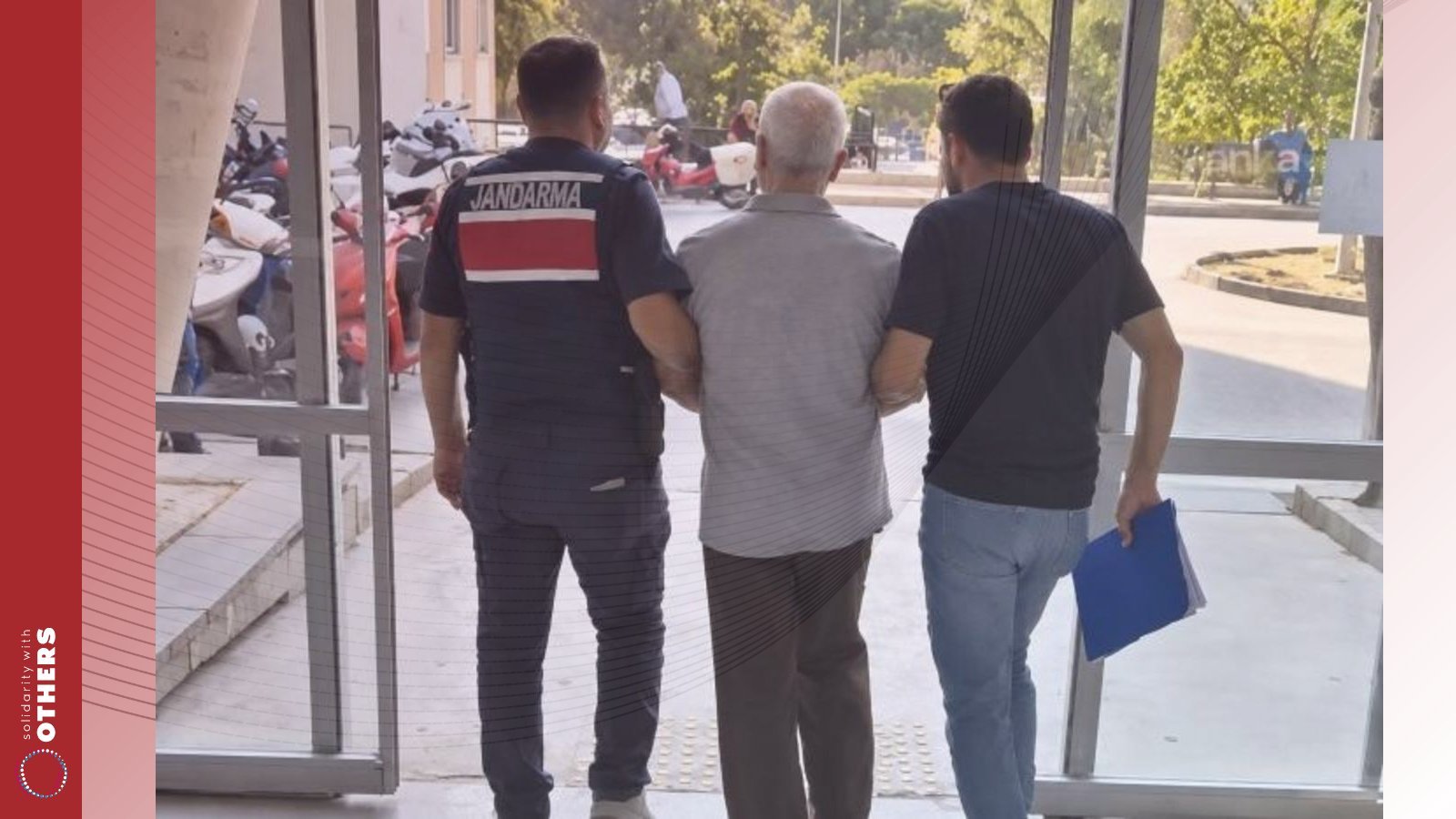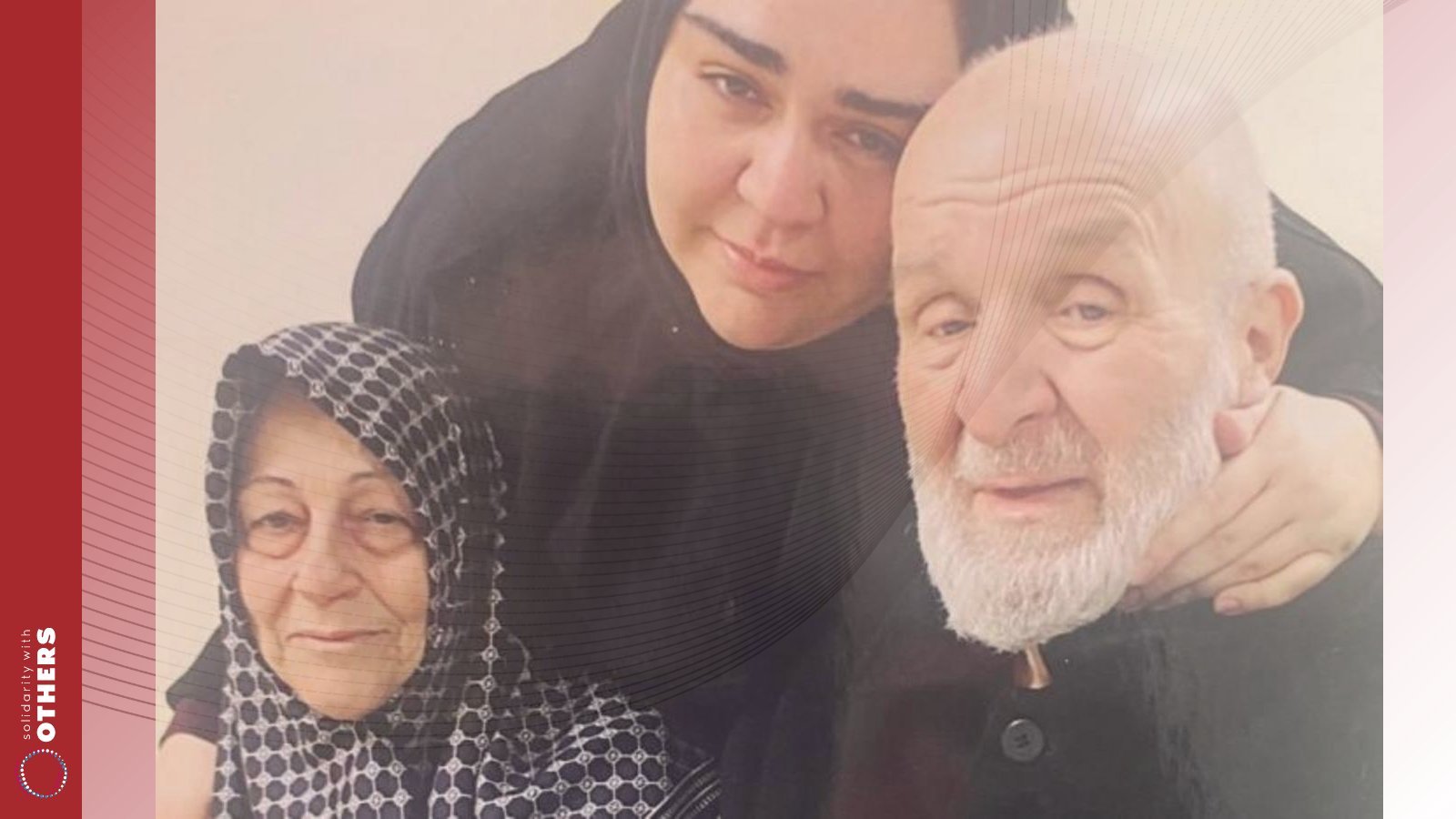


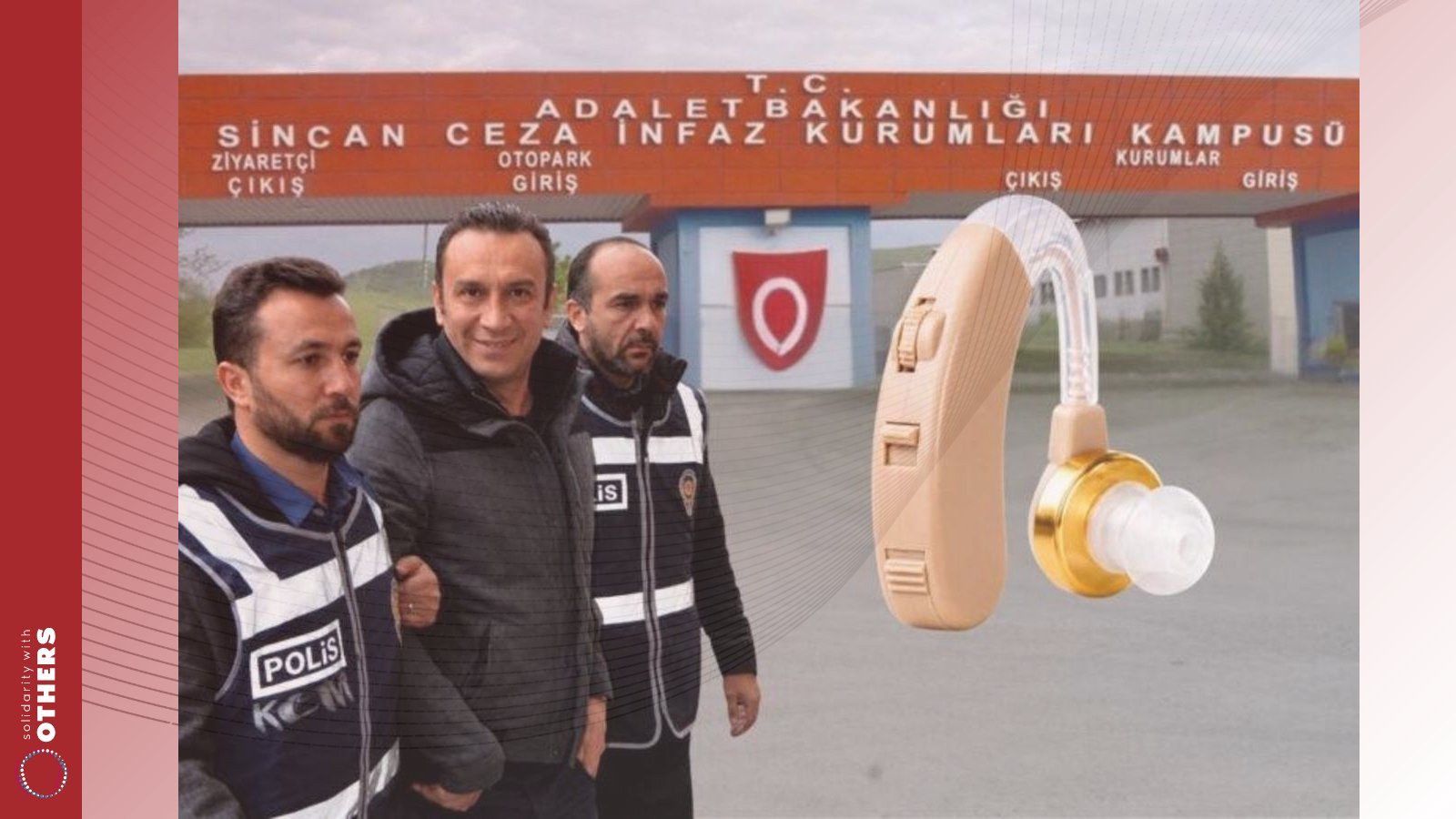
Erol Boydak, a former board member of Boydak Holding, has been held at Sincan Prison since October 2023. He has 50 per cent hearing loss and uses a hearing aid. Prison authorities have taken the device from him, on the ground that it has Bluetooth capability.
Ömer Faruk Gergerlioğlu, a DEM Party MP for Kocaeli, raised the case at a press conference in parliament on 16 September 2026, saying Boydak relies on the device to hear and asking what a man in prison is supposed to do without it.
On 12 July 2018 the Kayseri 2nd Assize Court sentenced Boydak to seven years and six months for membership of an armed terrorist organisation, and acquitted him of attempting to abolish the constitutional order. He was at liberty when the verdict was delivered. The court also ordered the confiscation of his shares in Boydak Holding and its subsidiaries. The Ankara Regional Court of Appeal upheld the conviction, and the 3rd Criminal Chamber of the Court of Cassation confirmed both the sentence and the confiscation on 24 January 2023. He entered prison nine months later.
In the same proceedings, Memduh Boydak was sentenced to 18 years, Hacı Boydak to nearly 12 and Şükrü Boydak to 10. Mustafa, Bekir and İlyas Boydak and Murat Bozdağ each received seven years and six months.
Seven members of the family are in prison today. Memduh Boydak and Erol Boydak are in Sincan. Mustafa Boydak has been in Maltepe since June 2023, İlyas Boydak in Kayseri Bünyan since March 2023, Bekir Boydak in Çorlu since March 2024, and Murat Bozdağ in Maltepe since December 2023. Elif Boydak Bozdağ was imprisoned on 10 January 2026 and is held at Bakırköy Women’s Prison. Hacı Boydak was released in June 2024 and Şükrü Boydak in July 2024.
The women of the family were also prosecuted. Aliye Boydak was imprisoned in July 2016, spent about 19 months in detention, and was sentenced to seven years and six months in February 2018 before being released pending appeal. Müjgan Boydak, Merak Boydak, Merve Boydak and Elif Ebru Boydak were acquitted.
An elderly relative, Ayşe Boydak, was detained for a day by mistake. An adopted child in the family had been given the same name, and money collected at a memorial reading (mevlit) held for the child had been deposited into a Bank Asya account opened in that name.
Boydak Holding was founded in Kayseri in 1957 and grew into one of Turkey’s largest industrial groups, with brands including İstikbal, Bellona, Mondi, HES Kablo, Boyteks and Form Sünger. After July 2016 a trustee was appointed and management passed to the state deposit insurance fund, TMSF. The family’s shares in 35 companies were confiscated. The holding was renamed Erciyes Anadolu Holding.
The device removed from Erol Boydak is the one that allows him to hear inside the prison where the state has held him for three years.
Sources:
1- Ömer Faruk Gergerlioğlu portal, 18 Sept 2026: https://www.omerfarukgergerlioglu.com/basin/sincan-cezaevinde-3-yildir-tutulan-erol-boydakin-isitme-cihazina-el-konuldu/40564/
2- TR724, 16 Sept 2026: https://tr724.com/erol-boydakin-isitme-cihazina-bluetooth-gerekcesiyle-el-konuldu
3- BoldMedya, 17 Sept 2026: https://boldmedya.com/2026/09/17/sincan-cezaevinde-3-yildir-tutulan-erol-boydakin-isitme-cihazina-el-konuldu/
4- Stockholm Center for Freedom, 17 Sept 2026: https://stockholmcf.org/turkish-prison-confiscates-hearing-aid-from-businessman-jailed-over-alleged-gulen-links
Legal Note:
Disability and detention (Article 3 ECHR).
Z.H. v. Hungary, no. 28973/11, 8 November 2012: the incarceration of a deaf and non-speaking, intellectually disabled and illiterate applicant without the requisite measures being taken within a reasonable time to address his individual needs amounted to inhuman and degrading treatment. The failure to take reasonable steps to ensure that he understood the reasons for his arrest also violated Article 5 § 2.
Ābele v. Latvia, nos. 60429/12 and 72760/12, 5 October 2017: reduced personal space, combined with the isolation and helplessness caused by inadequate measures to overcome a deaf prisoner’s communication difficulties, amounted to inhuman and degrading treatment.
Where the authorities detain a person with disabilities, they must exercise special care to ensure conditions corresponding to that person’s individual needs. Failure to do so may reach the Article 3 threshold even in the absence of any intention to humiliate or debase.
Reasonable accommodation. The UN Convention on the Rights of Persons with Disabilities, ratified by Türkiye in 2009, provides in Article 14 § 2 that persons with disabilities deprived of their liberty must be treated in accordance with the Convention, including through the provision of reasonable accommodation. Article 21 requires measures facilitating accessible information and communication, including sign language and other accessible means of communication. Nelson Mandela Rule 5 § 2 requires prison administrations to make all reasonable accommodation and adjustments to ensure that prisoners with disabilities have full and effective access to prison life on an equitable basis.