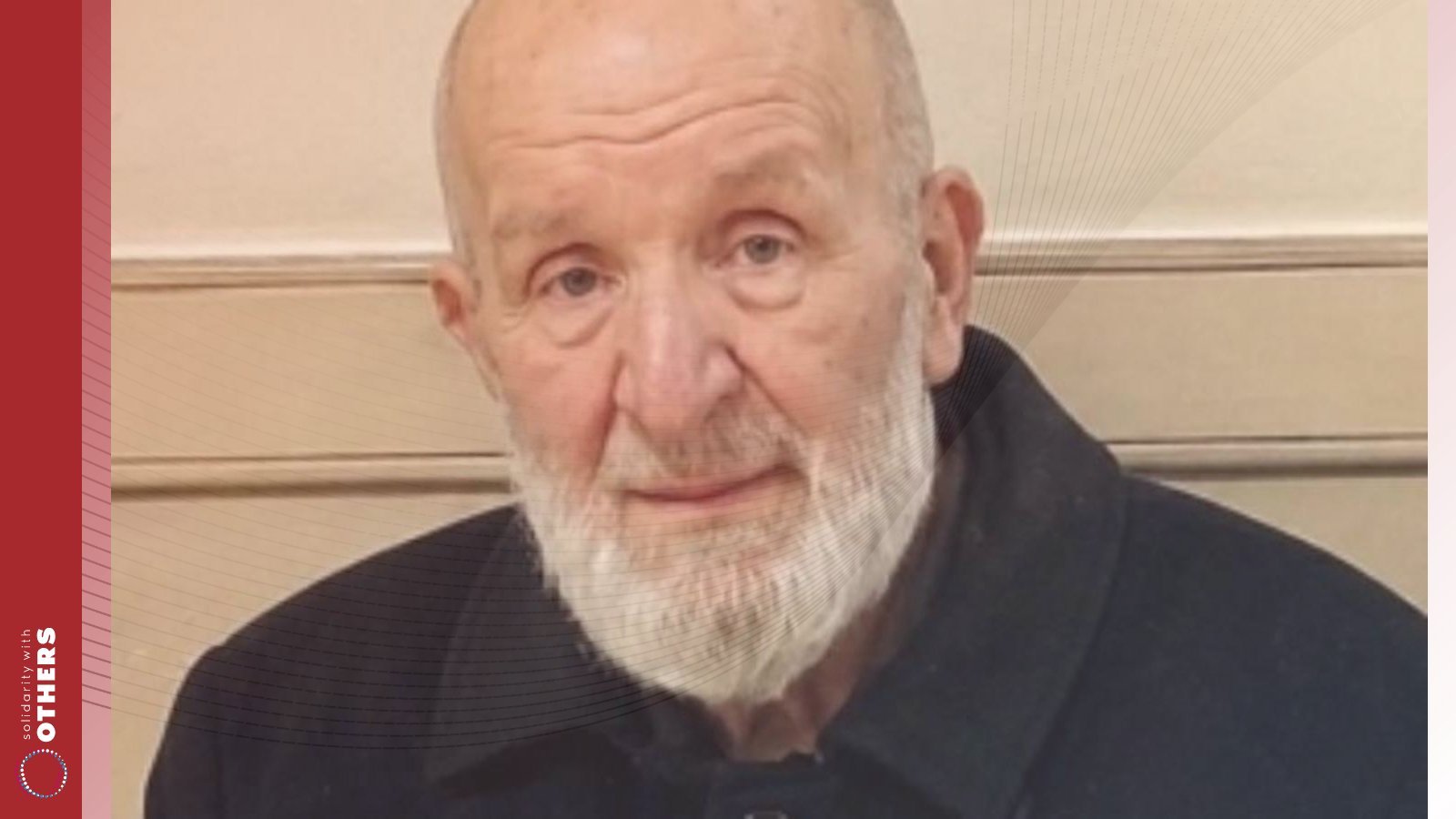

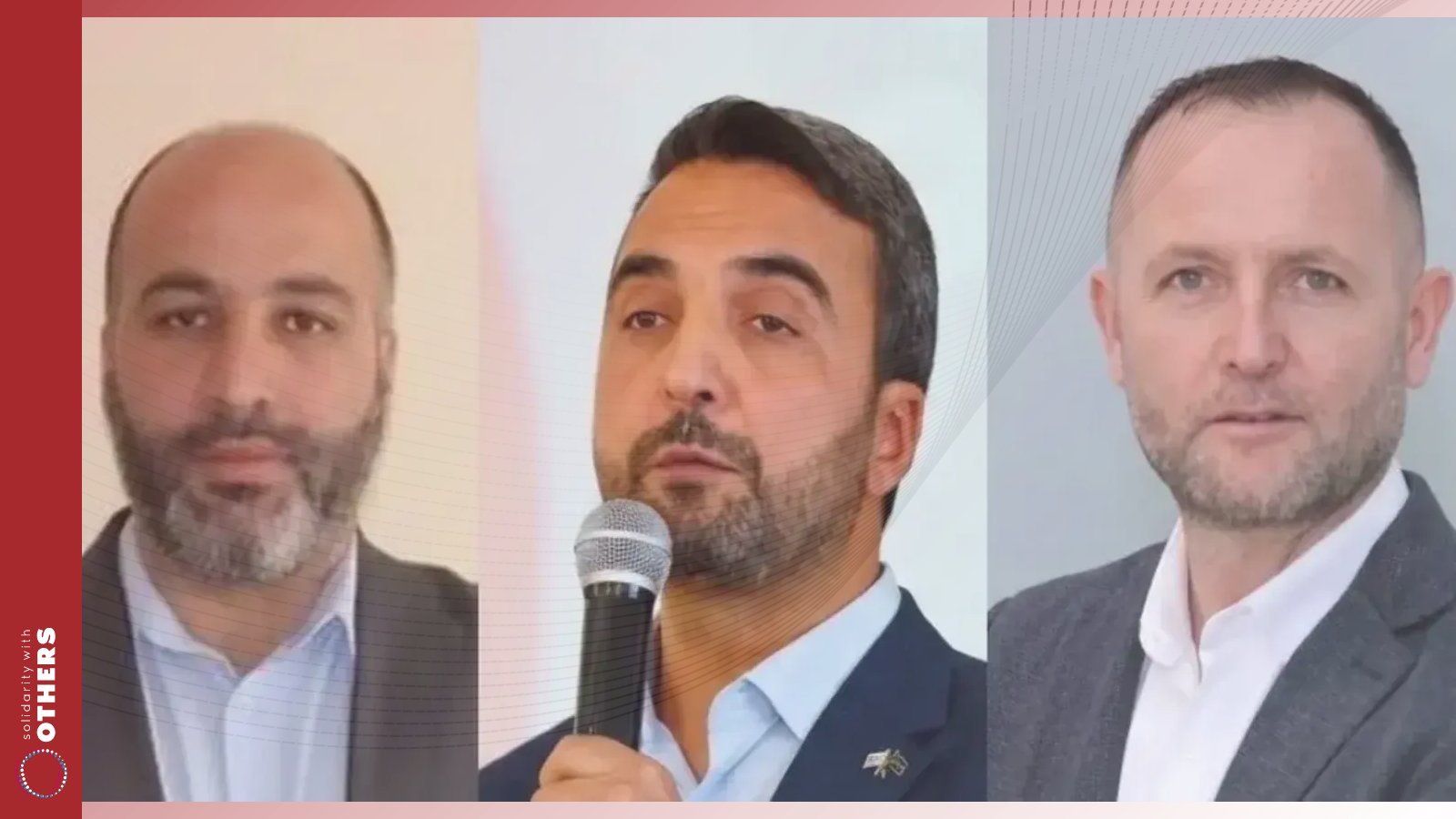
Turkish police detained Ahmet Sapa, a columnist and the Hatay representative of the Islamist outlet Köklü Değişim, at his home on Tuesday morning. The reason was social media posts criticising restrictions on headscarves in Azerbaijani schools.
The night before, the outlet’s İstanbul representative, Muhammed Emin Yıldırım, had been detained and questioned on suspicion of insulting a foreign head of state. He was released on Tuesday morning. According to Deutsche Welle’s Turkish service, he had called President İlham Aliyev a “tyrant” on social media and a “dictator” at a protest. An activist, Fatih Erşahin, was summoned by Ankara police over his posts and released. A fourth person was detained in Ankara and released. Köklü Değişim is associated with Hizb ut-Tahrir, a movement that seeks to establish a caliphate; the outlet’s politics are not the point and do not alter it.
The point is the provision.
Article 340 of the Turkish Penal Code increases by one eighth the sentence for an offence committed against a foreign head of state. Where the underlying offence is one that can be prosecuted only on complaint — and insult under Article 125 is such an offence — Article 340 provides that proceedings depend on the complaint of the foreign state concerned. Article 341 does the same for publicly insulting an officially hoisted foreign flag, with three months to one year.
A prosecution of this kind is therefore not something the Turkish state initiates on its own view of the public interest. It is something a foreign government asks for.
That is why Mahmut Kar, the outlet’s general coordinator, asked the question he asked. “Did the Aliyev administration give Türkiye a list?” he wrote, adding that Muslims posting against the headscarf ban were being picked up one by one, and asking whether 28 February was being revived in Türkiye for Aliyev’s sake. No list has been confirmed. Turkish officials have given no public explanation for the detentions at all. But the question of whether Baku complained is not speculation about motive; under Article 340 it is the condition on which the whole proceeding rests.
What the four are accused of saying concerns a change in the law of another country. Azerbaijan amended its school dress rules on 21 September. The rules do not mention headscarves. They prohibit clothing considered inconsistent with the secular character of education, and girls wearing headscarves have since been turned away at school gates.
The response has not been confined to one jurisdiction. Azerbaijani prosecutors have cited speeches at protests on 3 and 13 October as evidence against Rıdvan Kaya and Zekeriya Ceran, who writes for Köklü Değişim under the name Abdullah İmamoğlu. Ceran is one of seven people sought internationally after a court in Baku ordered their arrest in absentia on accusations of calling for the overthrow of the government and inciting religious hostility. The prosecutors announced judicial cooperation with Türkiye in that case.
On 21 October Azerbaijan barred 31 Turkish citizens from entering the country — politicians, journalists, writers and academics — on the ground that they had made statements targeting its sovereignty, national security and constitutional order. Yıldırım is on the list. So is Gergerlioğlu. So is Fatih Erbakan.
And on 12 October Oktay Saral, chief adviser to President Erdoğan since 2016, wrote that “the right to education cannot be sacrificed to any ideological imposition.” On 26 October he resigned. Middle East Eye had reported five days earlier that Aliyev had asked for his removal. Saral said he left on the President’s instruction, and later said he believed it was connected to what he had written about Azerbaijan.
Speaking in Baku on Tuesday, Aliyev criticised foreign interference in the internal affairs of states and questioned the right of outsiders to tell an independent country how to live.
Objections to the detentions have come from across the Turkish religious right, which is not where objections to this government’s use of speech offences usually come from. Mahmut Şahin, deputy chair of HÜDA PAR, called them unacceptable. Nureddin Gül, deputy chair of the New Welfare Party, criticised the action against Yıldırım. Gergerlioğlu, a DEM Party MP banned from Azerbaijan himself, also objected.
Strasbourg settled this question twenty-four years ago, and France repealed its equivalent offence because of it. A head of state who considers himself defamed has the same remedies as anyone else. What he does not have, and what Article 340 gives him, is the power to have another country’s police call at a journalist’s home at breakfast.
Source:
Stockholm Center for Freedom, “Turkey detains journalist over posts criticizing Azerbaijan’s school headscarf restrictions”, 27 October 2026 (republished from Turkish Minute): https://stockholmcf.org/turkey-detains-journalist-over-posts-criticizing-azerbaijans-school-headscarf-restrictions/