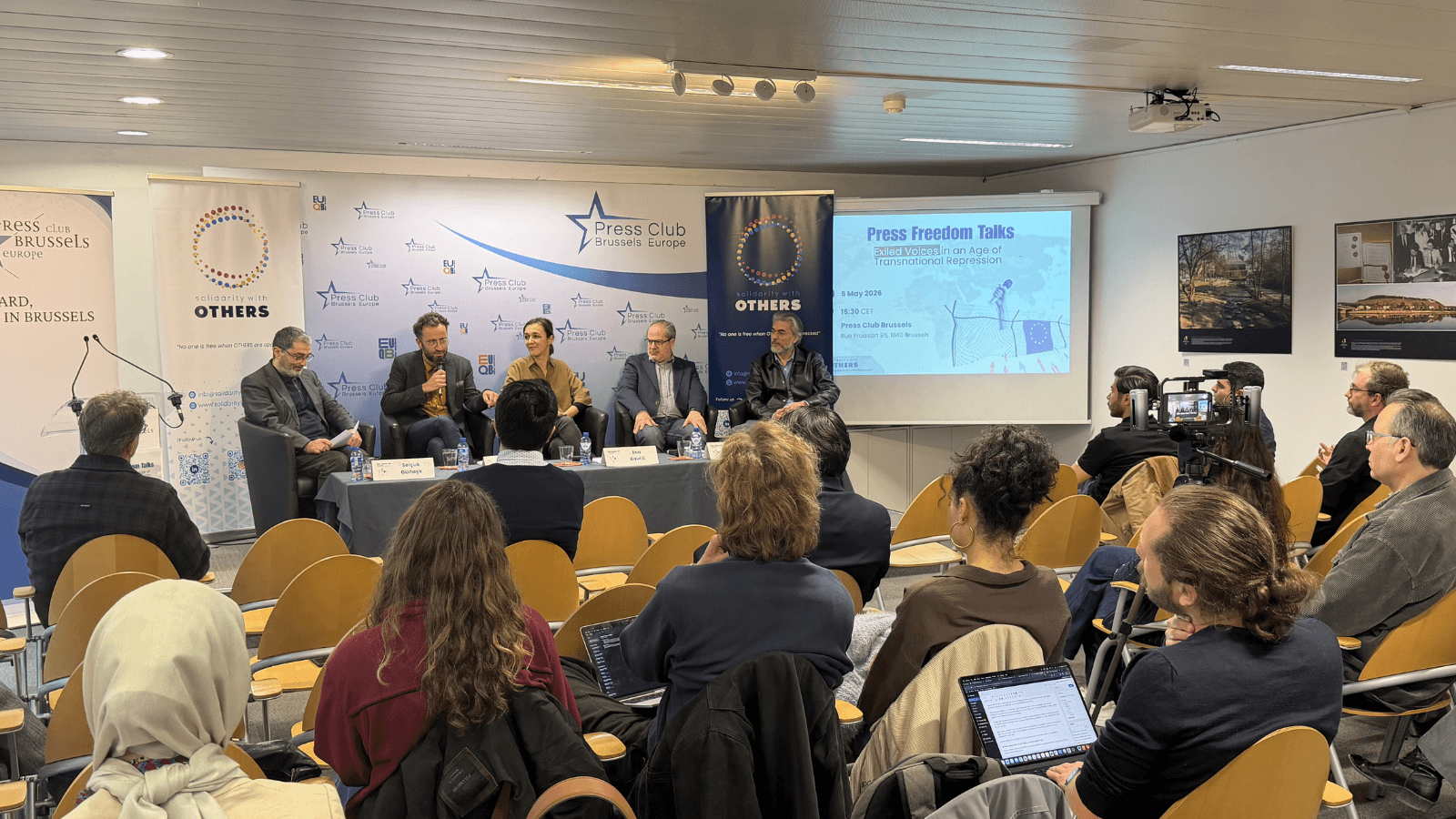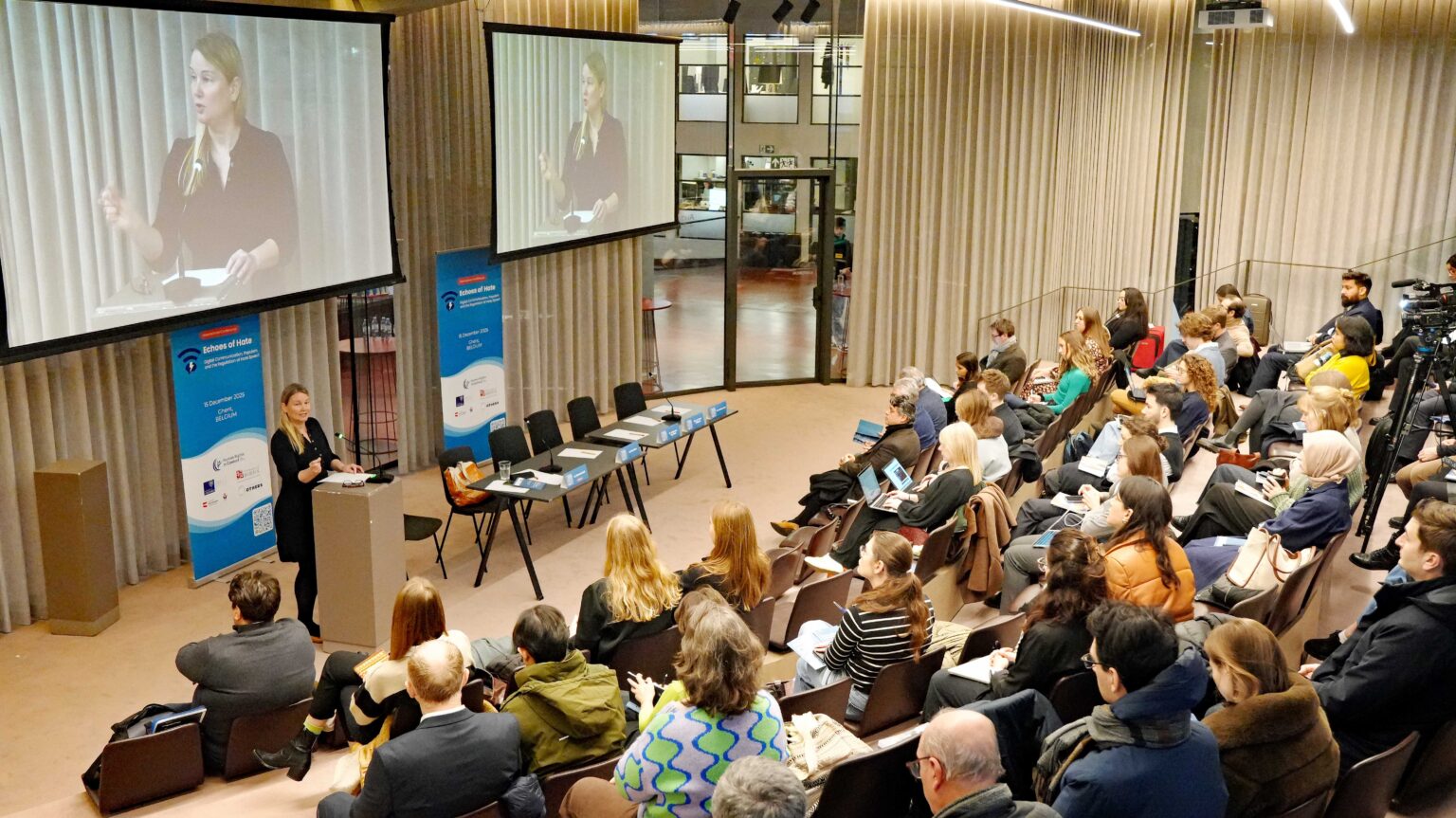


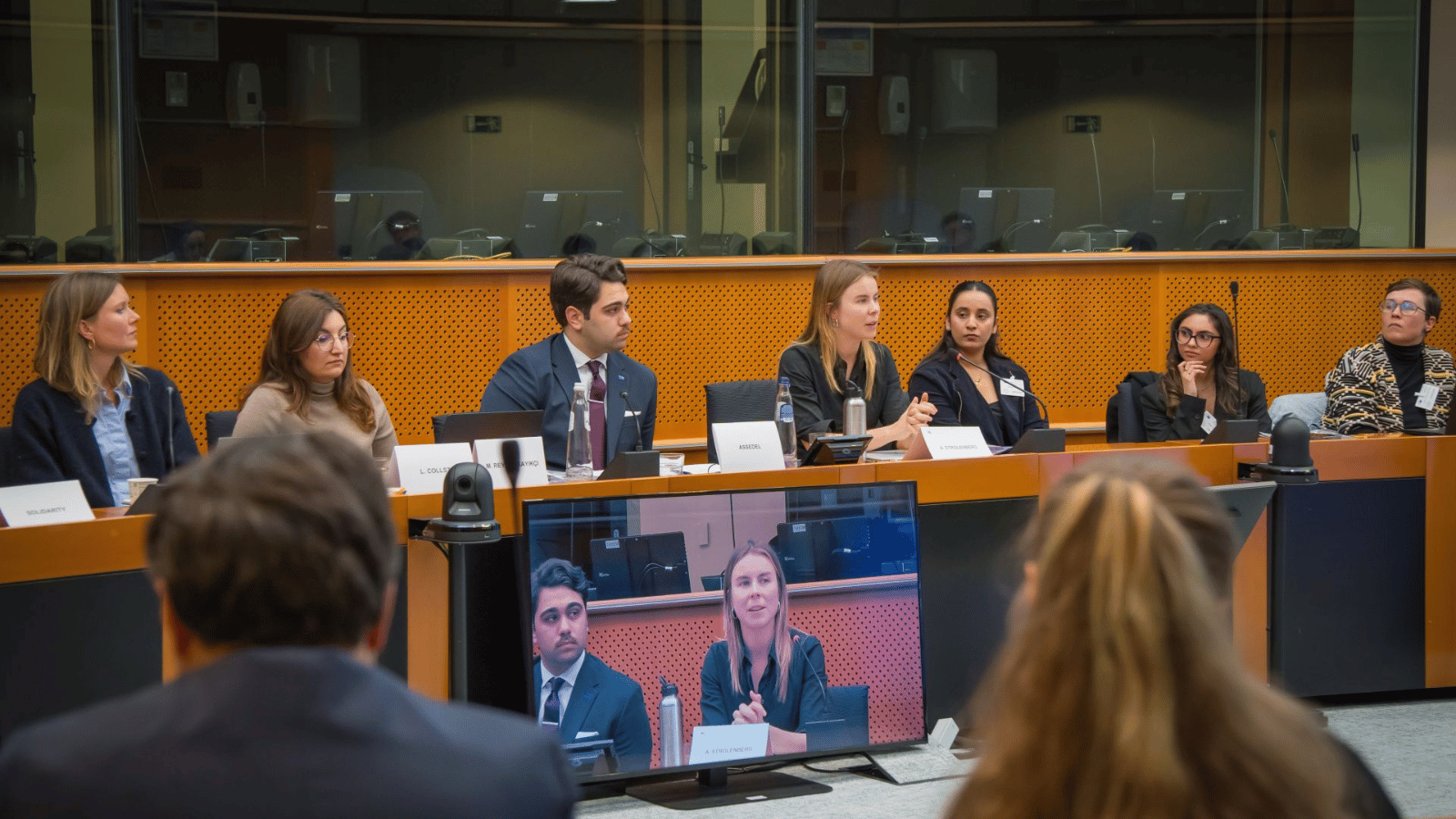
On 13th April 2026, Solidarity With OTHERS co-organised a panel discussion at the European Parliament in Brussels to mark the 15th anniversary of the Istanbul Convention. Together with ASSEDEL and in collaboration with MEP Anna Strolenberg, we brought together policymakers, experts, international organisations and civil society to reflect not only on the importance of the Convention, but also on the growing gap between commitments and reality. What emerged clearly from the discussion is that the framework exists, the knowledge exists, but implementation continues to fall short. The urgency remains.
Lisa Collste (European Commission, DG JUST)
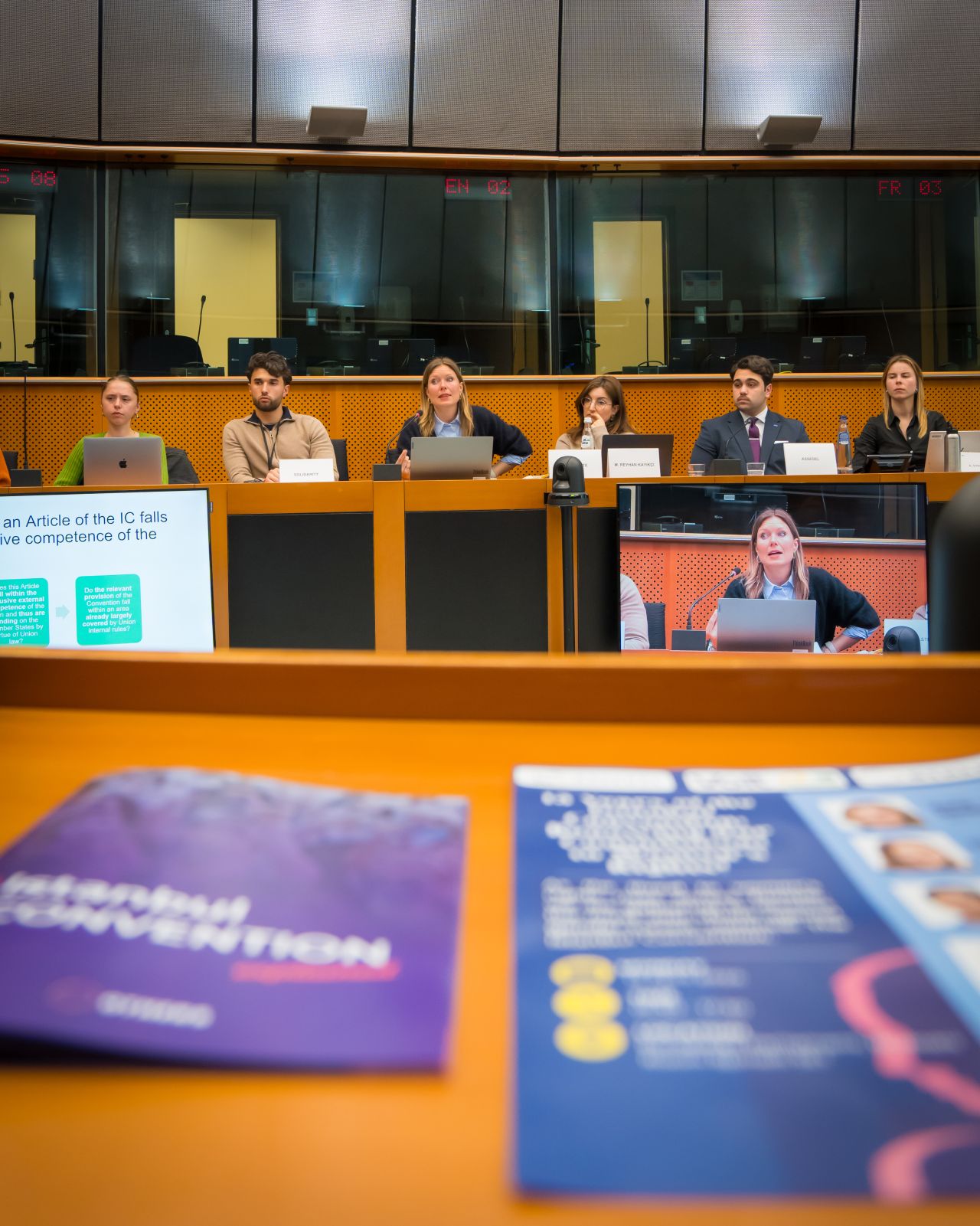
Lisa Collste set the tone by grounding the discussion in the EU legal framework. She explained how the EU’s accession to the Istanbul Convention and the adoption of the Directive on combating violence against women represent a major step forward, but also a responsibility. “Legislation is just words on paper until it is implemented effectively,” she said, underlining that Member States now have until 2027 to translate these commitments into practice. She also reminded the audience of the scale of the issue, noting that “this is a crisis that we can no longer accept living in.” Her intervention made it clear that the tools are there, but what matters now is how seriously they are applied, including training for police and judiciary, stronger victim support systems, and a whole of society approach.
Dr Merve Reyhan Kayıkçı (Radboud University)
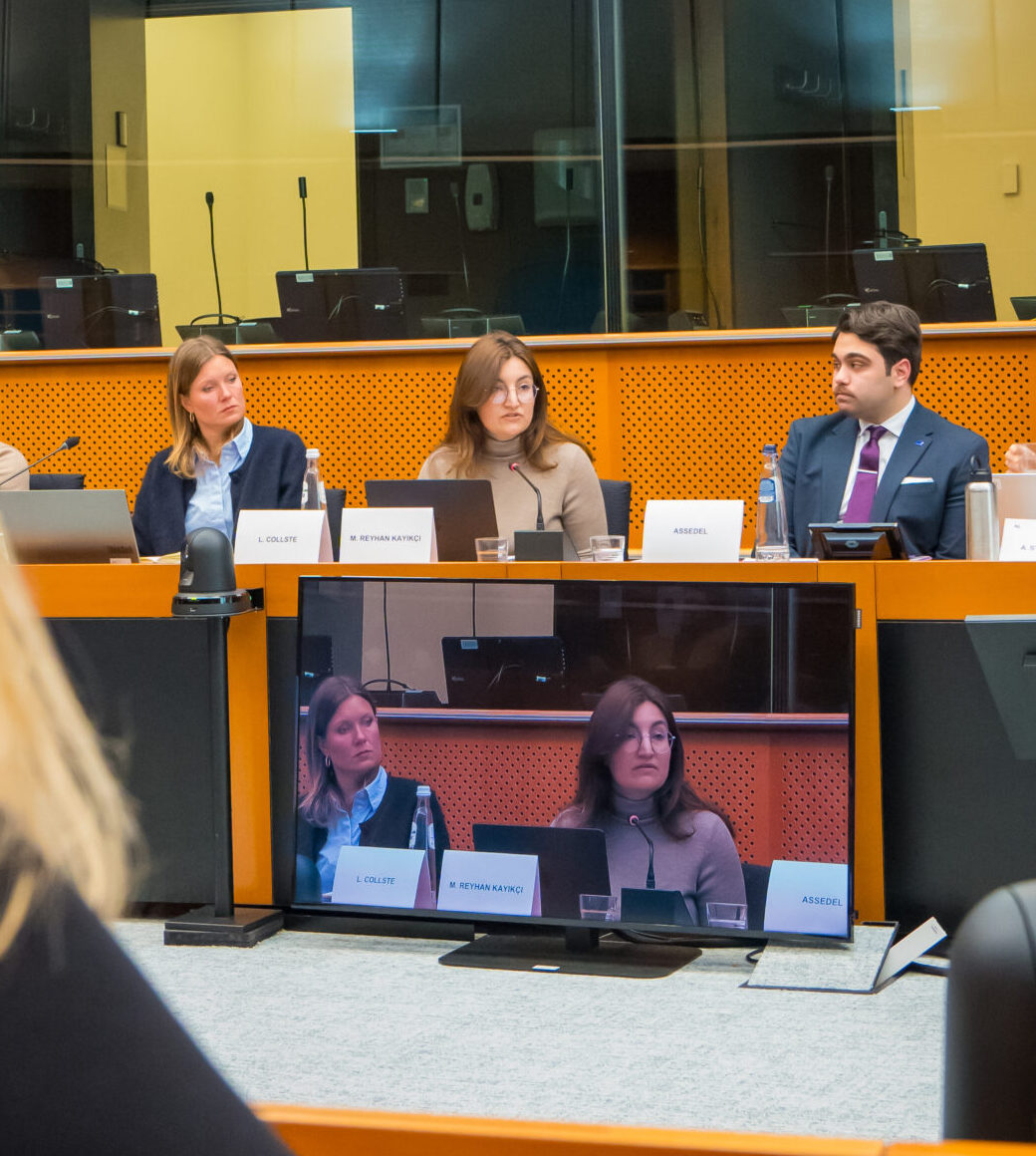
Dr Kayıkçı brought a deeply sobering perspective from Turkey, focusing on the aftermath of the country’s withdrawal from the Istanbul Convention. Through concrete cases and data, she showed how gaps in protection translate into real harm. “This is not just one case. This is a pattern,” she said, describing systemic failures to protect women and widespread impunity. She also pointed to the political narratives framing the Convention as a threat to family values, stressing that “women’s fundamental rights were put on the table as a political bargaining chip.” Her contribution was a powerful reminder that when protections are weakened, the consequences are immediate and severe, and that legal frameworks only matter if they are upheld in practice.
Reem Alsalem (UN Special Rapporteur on violence against women and girls)
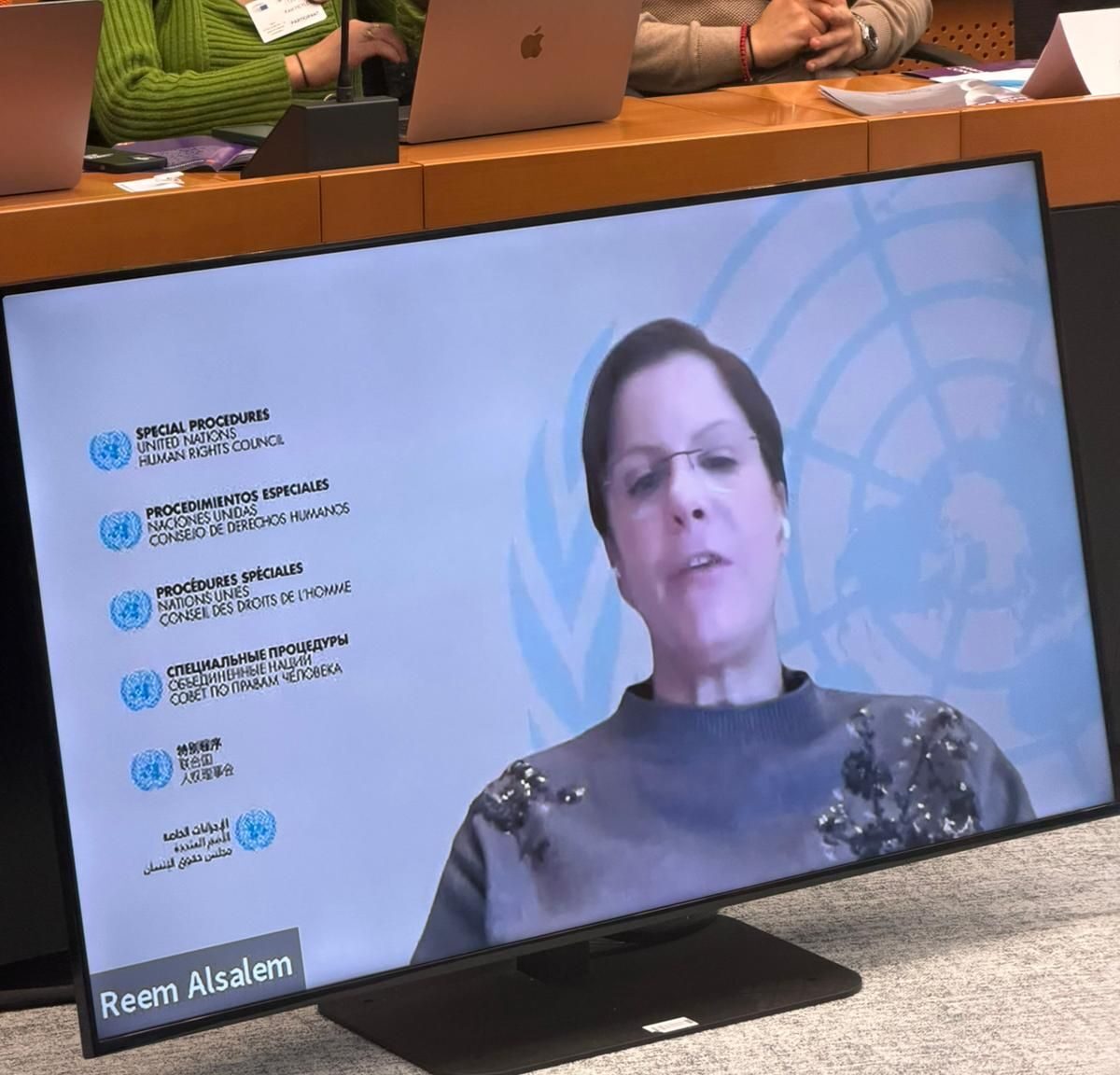
In her recorded message, Reem Alsalem placed the Istanbul Convention within the broader international human rights framework. She described it as “a historic achievement” and “the most comprehensive and detailed regional treaty on violence against women.” At the same time, she warned against growing political and ideological pushback, stating clearly that “any attempt to weaken, dismantle or withdraw from this framework is regression.” She emphasised that ratification alone is not enough, and that without sustained funding, accountability and implementation, protections remain incomplete. She also drew attention to gaps affecting migrant and refugee women, reminding participants that protection must apply to all, without exception.
Anna Strolenberg (Member of the European Parliament)
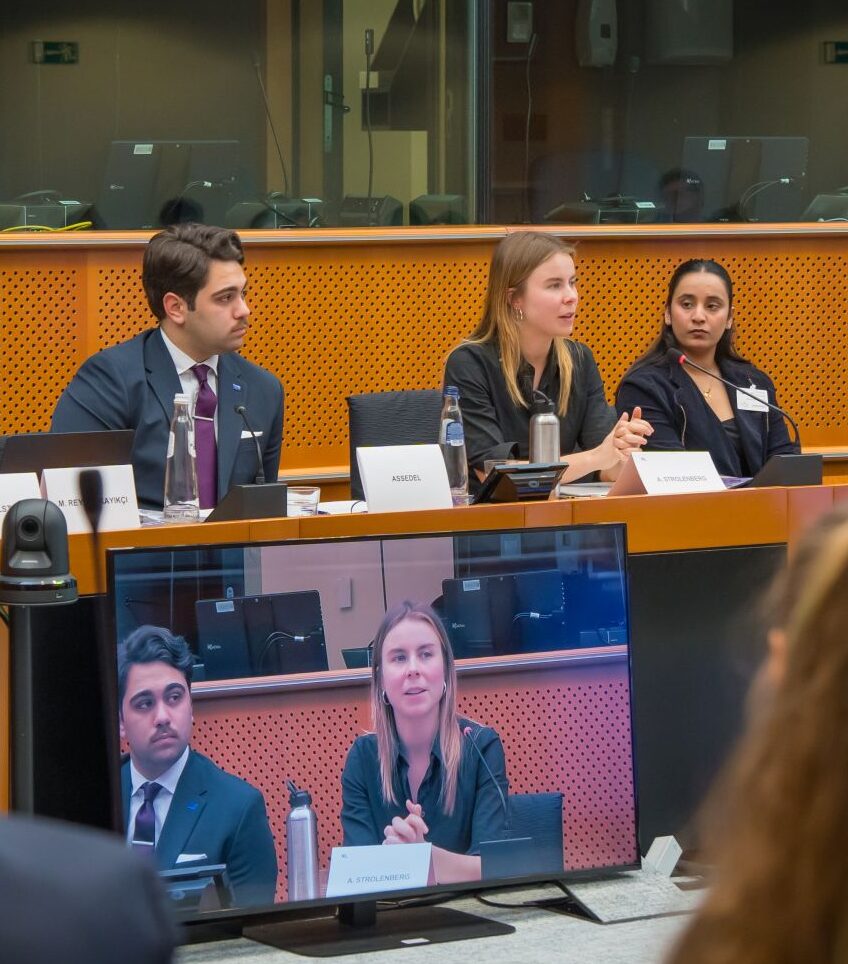
Anna Strolenberg, who hosted the event, focused on the importance of political will and resources. She stressed that violence against women is preventable and that “we have the legal instruments, we know what to do, we just need the political will.” She also pointed to a key challenge often overlooked, noting that while many people are ready to work on this issue, “they often lack the money.” Her call was clear. The next years should be about implementation, not only commitments. She emphasised that real progress depends on sustained investment, particularly in shelters and support services, and on keeping the issue firmly on the political agenda.
Mark Angel (Member of the European Parliament)
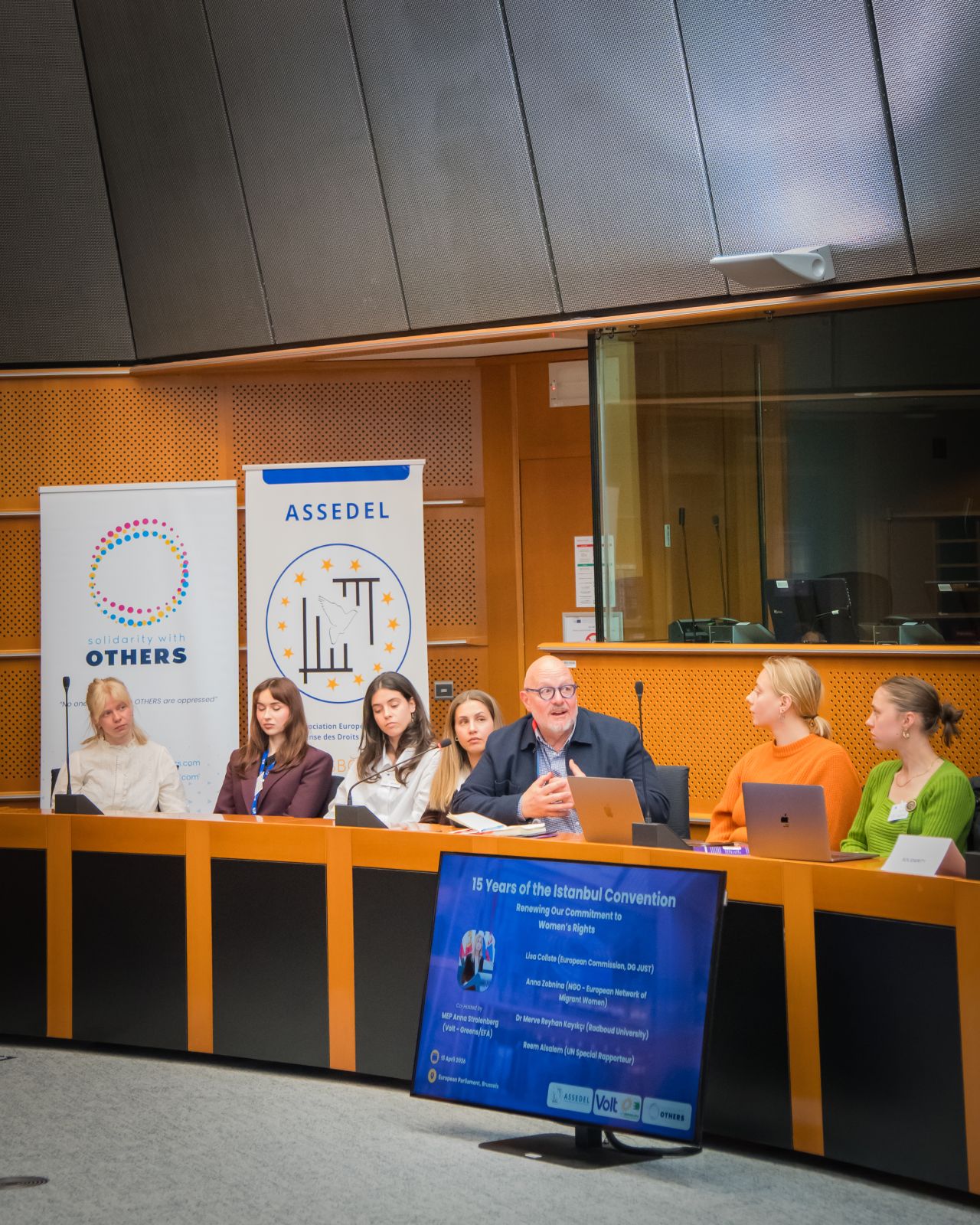
Mark Angel reinforced the need for continued political engagement and solidarity with civil society. Reflecting on the current climate, he noted that “paper is not enough,” and that existing tools must now be made to work in practice. He also highlighted worrying social trends, especially among younger generations, pointing to the influence of harmful narratives and online content. “It motivates us to continue to fight,” he said, underlining that defending women’s rights also means defending civil society and democratic space more broadly. His intervention connected the legal discussion with wider societal dynamics that shape attitudes and behaviours.
Across the discussion, one message stood out. The gaps are well known, from underreporting and stigma to weak institutional responses. The solutions are also known. What is missing is consistent commitment to put them into practice.