
About the Conference
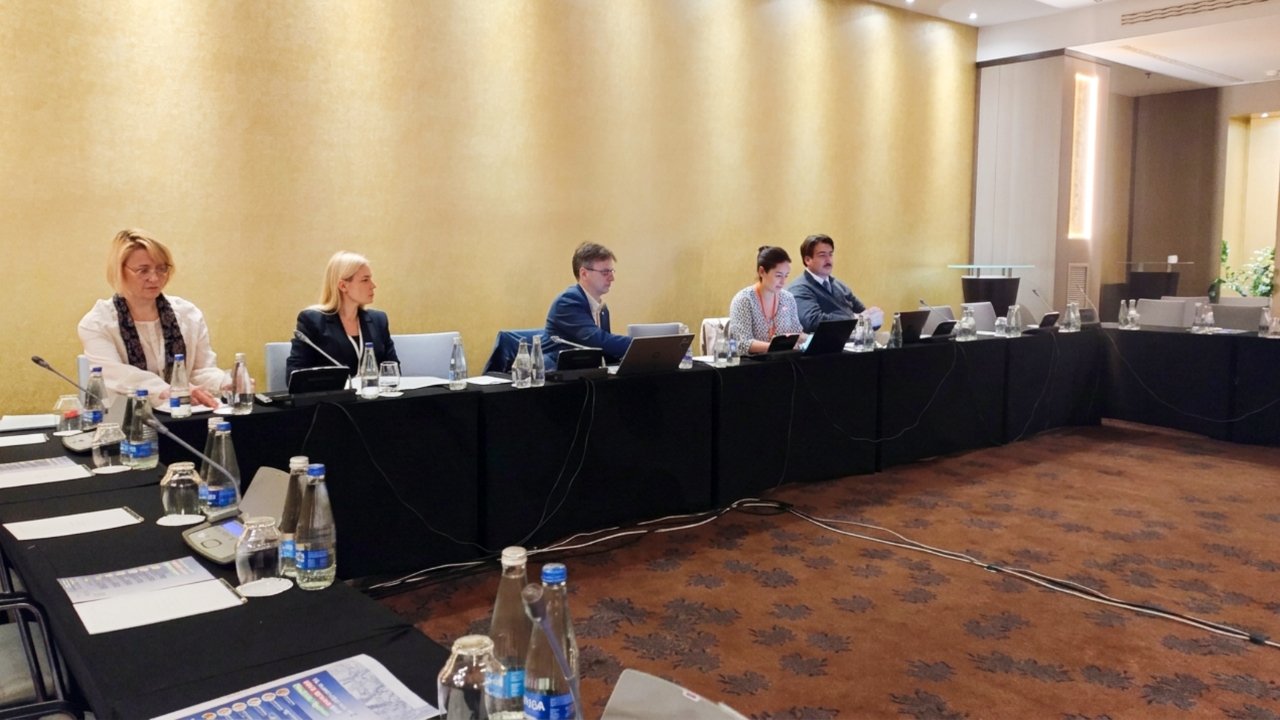
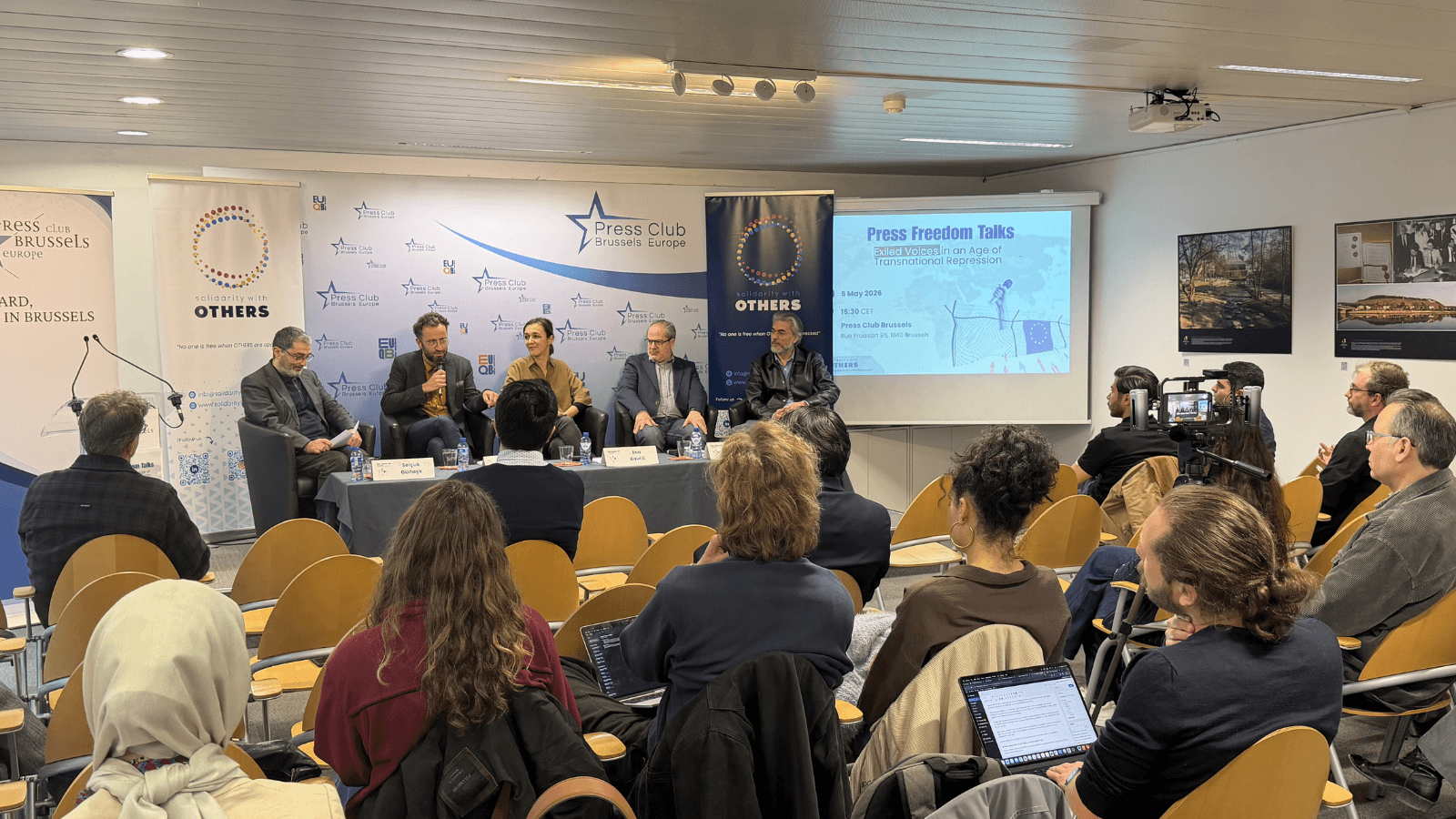
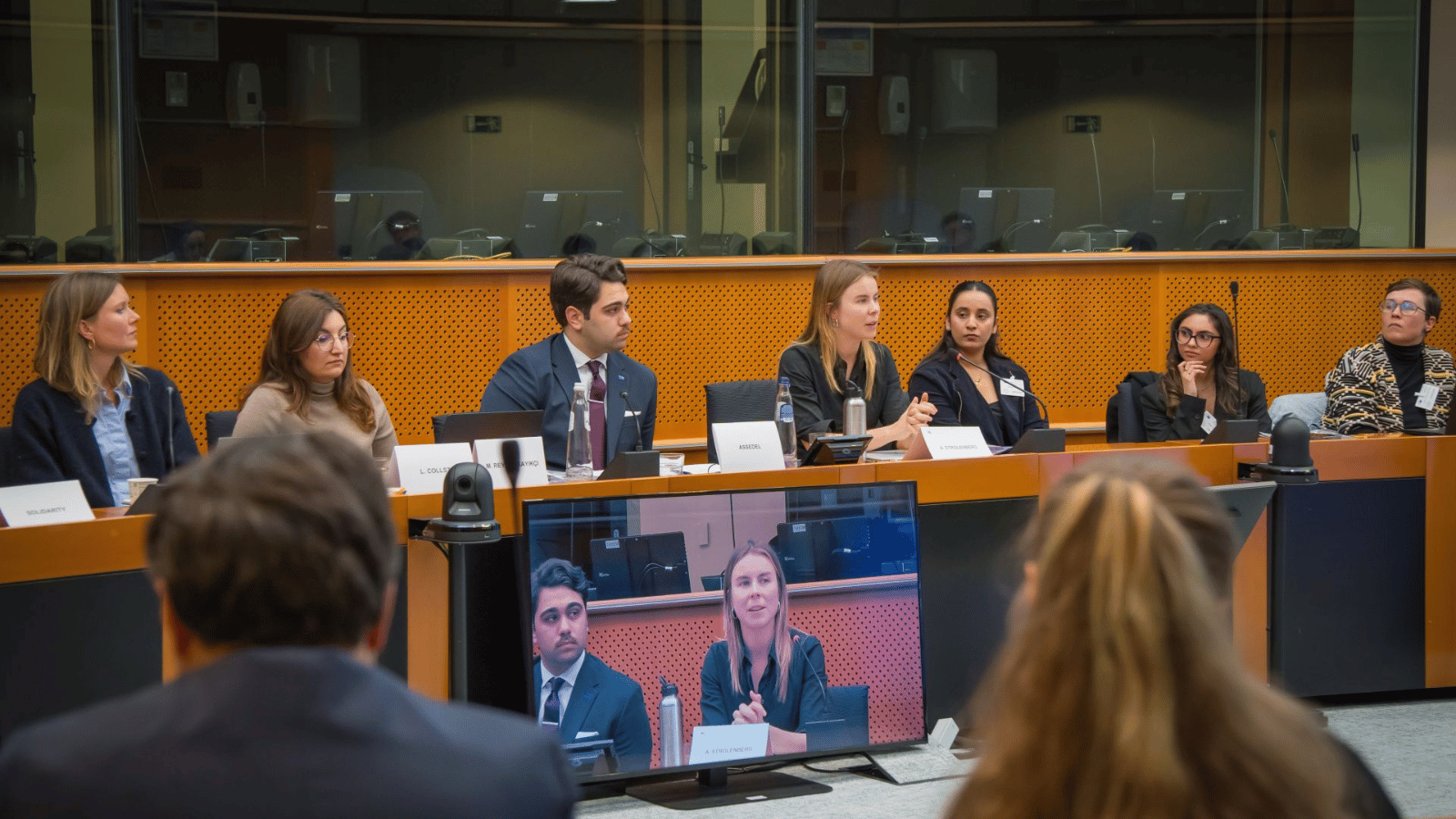
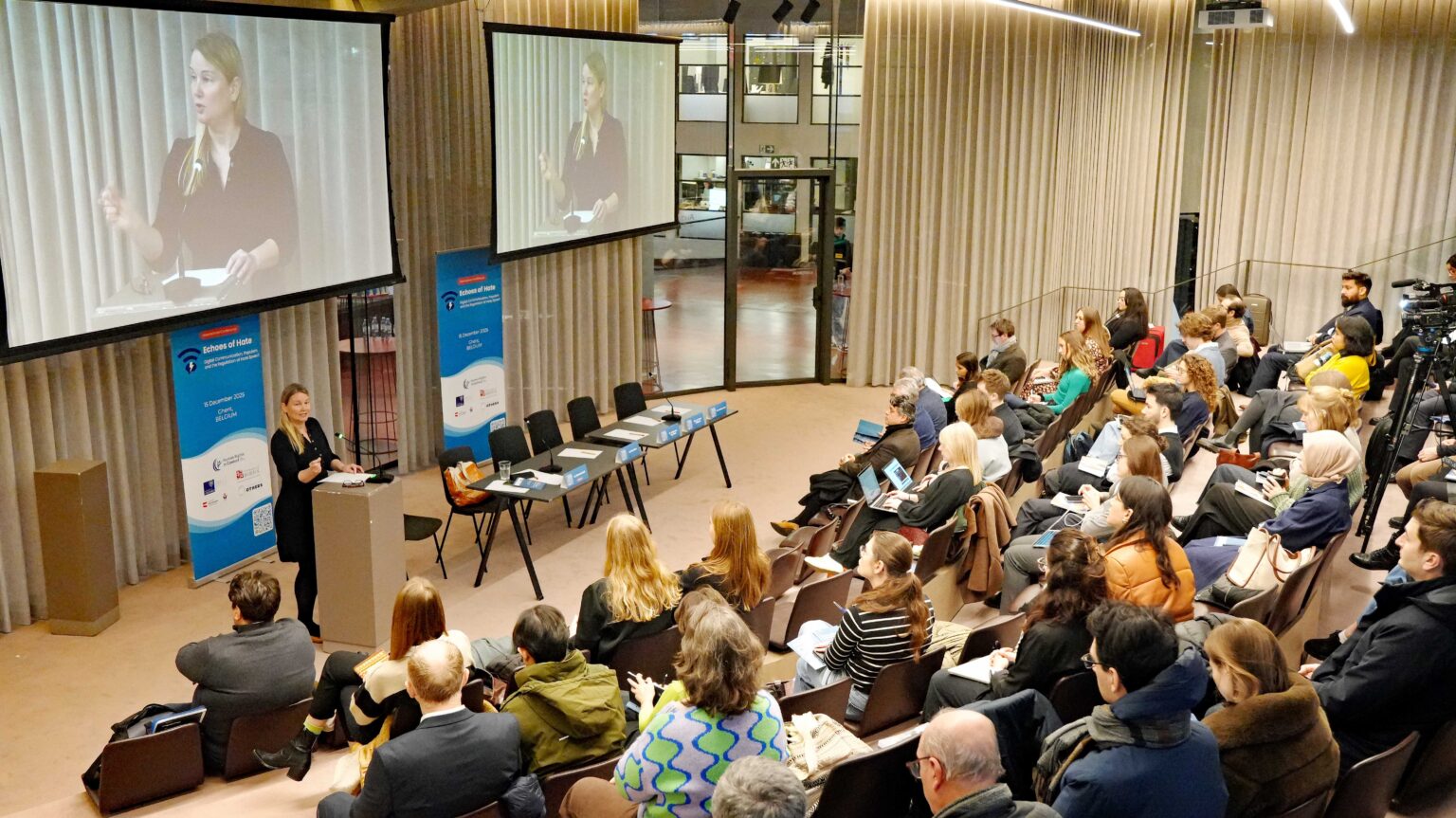
The Echoes of Hate conference brought together academics, legal experts, journalists, and civil society actors to reflect on a challenge that feels increasingly urgent: how hate speech is spreading, evolving, and shaping our societies.
What quickly became clear throughout the day is that hate speech is not a simple issue. It is constantly changing, deeply contextual, and often difficult to define — yet its impact is very real, both online and offline.
What We Discussed
Who controls online speech?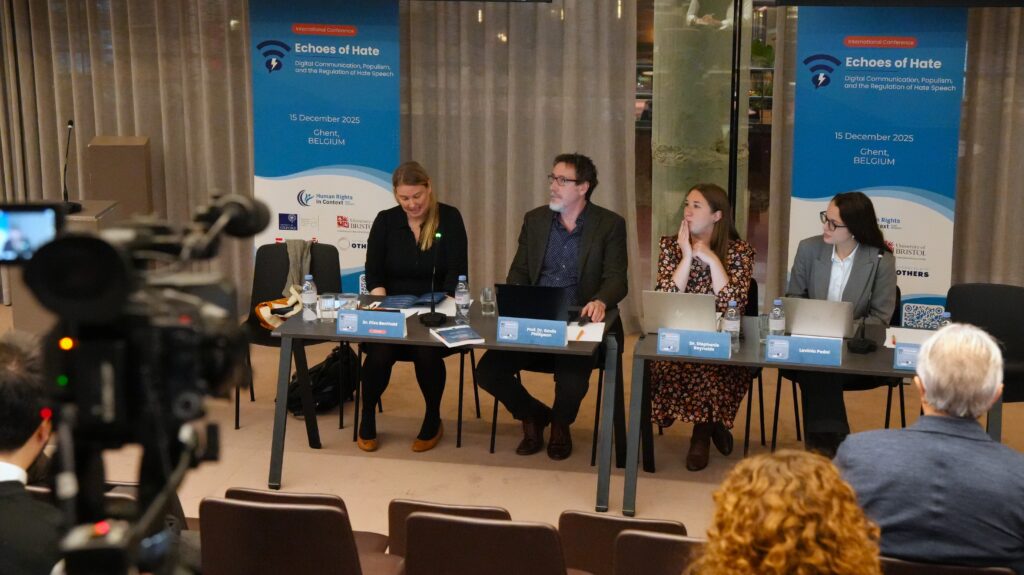
One of the first questions raised was also one of the most fundamental: who decides what stays online and what does not?
Discussions on platform governance highlighted how social media companies now play a major role in shaping public debate. Through moderation policies, algorithms, and design choices, platforms influence what we see — and what we don’t.
While regulation such as the EU’s Digital Services Act offers new tools for accountability, participants also pointed out the risks of leaving too much power in private hands without sufficient transparency.
How does hate become “normal”?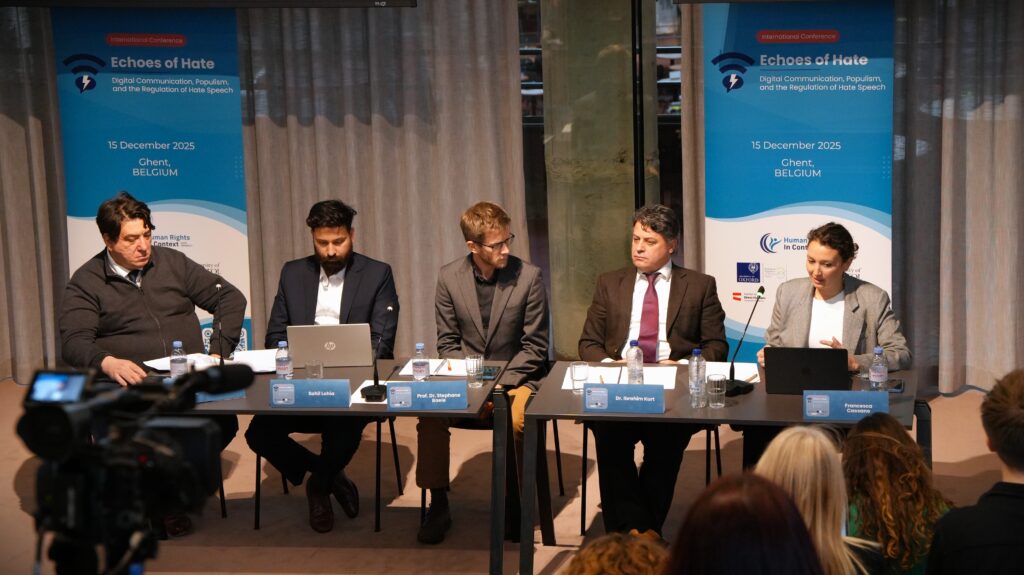
Another key theme was the growing normalization of hostile and exclusionary language, particularly in political discourse.
Speakers explored how populist actors use digital platforms to communicate directly with audiences, often relying on emotional and simplified narratives. These messages tend to spread quickly, especially when they tap into fear, anger, or identity.
Over time, language that once felt extreme can start to feel ordinary — and that shift has real consequences for how societies understand difference, disagreement, and belonging.
When online hate becomes real-world harm
A recurring point across panels was that online hate does not stay online.
Participants shared examples showing how harmful narratives can translate into discrimination, harassment, and even violence. In many cases, digital spaces act as accelerators — allowing ideas to spread faster, reach wider audiences, and escalate more quickly than before.
The line between online and offline is no longer clear. What happens in one space increasingly shapes the other.
Gendered hate and new narratives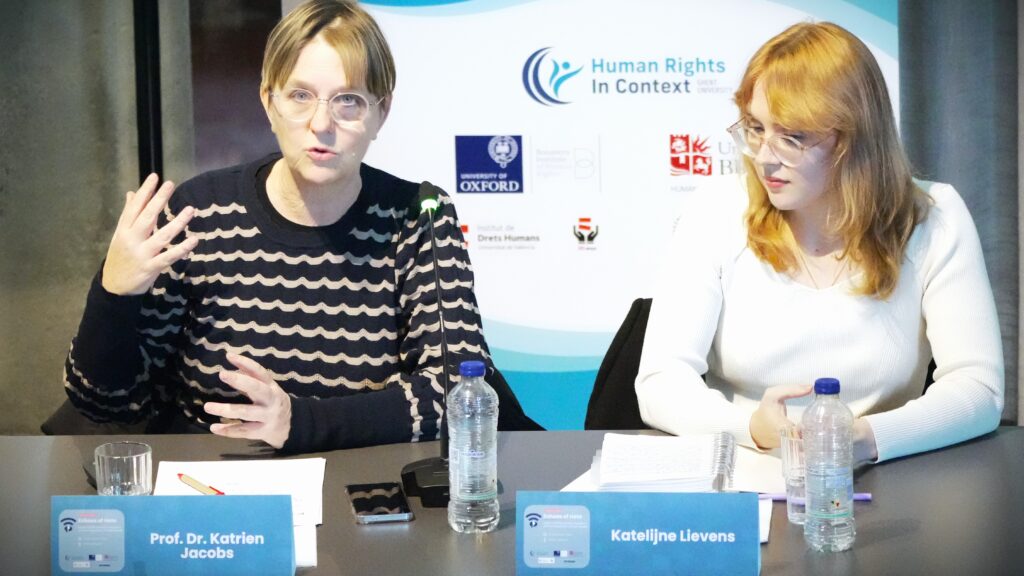
The discussions on gendered hate brought a particularly important perspective.
Participants highlighted how misogyny and anti-gender narratives are becoming more visible and more organized. At the same time, new and sometimes unexpected dynamics are emerging — including the use of feminist language to promote exclusionary or nationalist agendas.
These conversations showed that gender is not a side issue, but a central part of how hate speech operates today.
Media, disinformation, and pressure on journalists
The role of media also came into focus.
In a rapidly changing information environment, journalists are no longer the only gatekeepers of public discourse. While this has opened space for more voices, it has also made it easier for misinformation and hate speech to spread.
Participants also spoke about the pressures faced by journalists, especially those working in exile or under threat. Online harassment, disinformation campaigns, and targeted attacks are becoming part of the reality of doing journalism today.
The human side of hate
Beyond policy and politics, the conference also explored the emotional and psychological impact of hate speech.
Hate affects how people feel, how they see themselves, and how they relate to others. It can create fear, isolation, and long-term harm — not only for individuals, but for entire communities.
Understanding these human dimensions is essential if we want to respond in meaningful ways.
Different countries, different realities
The comparative panel reminded us that hate speech is a global issue, but it does not look the same everywhere.
From Turkey to China to Mexico, speakers showed how political context, legal systems, and social dynamics shape both the form hate speech takes and the ways it is addressed.
There is no single model that works everywhere — and any meaningful response needs to take these differences into account.
Why It Matters
Across all sessions, one message stood out: there is no simple solution.
Regulation is necessary, but it cannot do everything. Platforms have responsibility, but they cannot act alone. Education, awareness, and public engagement are just as important.
Hate speech sits at the intersection of law, technology, politics, and human behaviour. Addressing it means working across all of these areas — and accepting that the answers will not always be straightforward.
Explore More
All information including Conference book and session recordings are available here