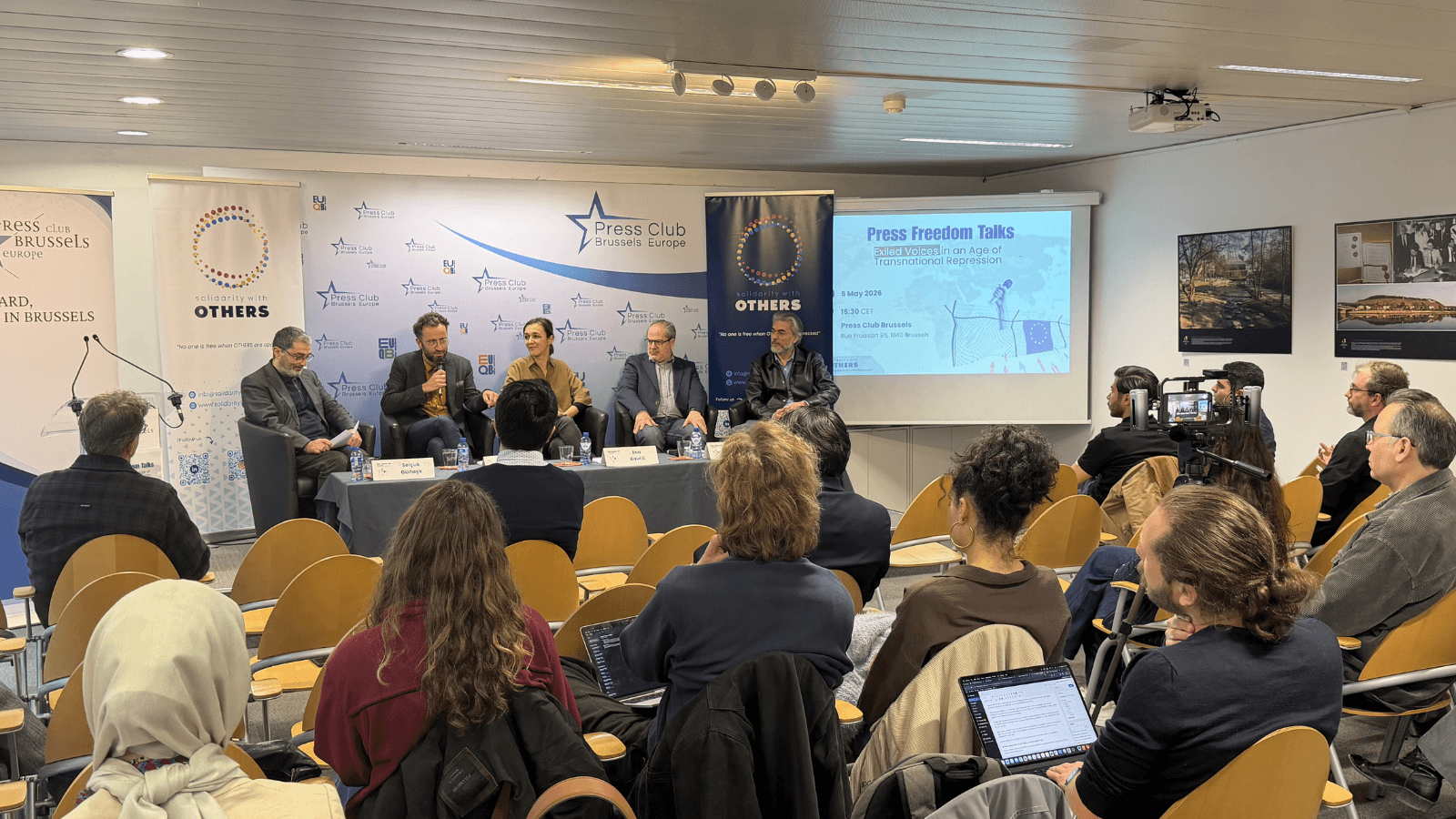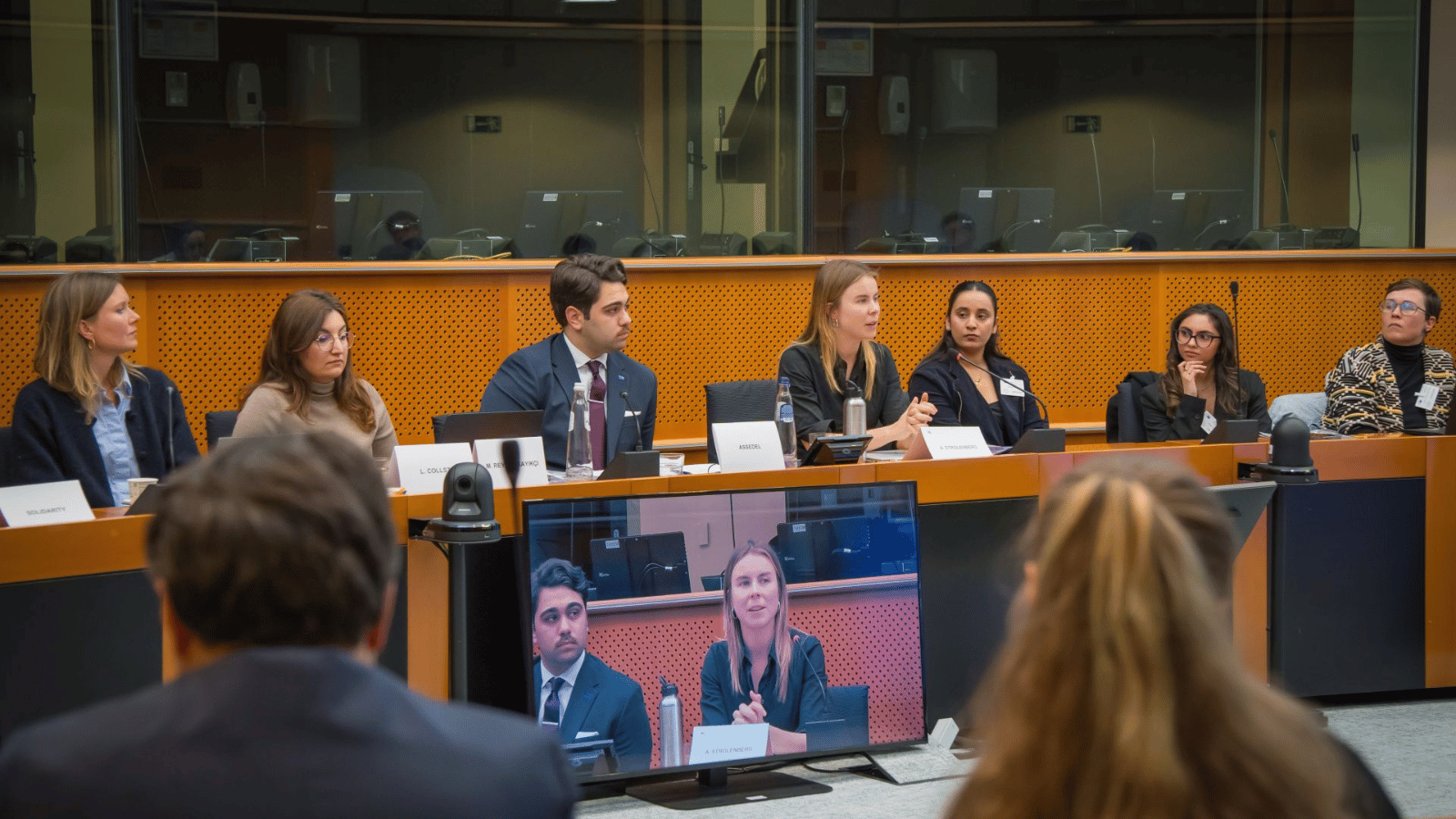


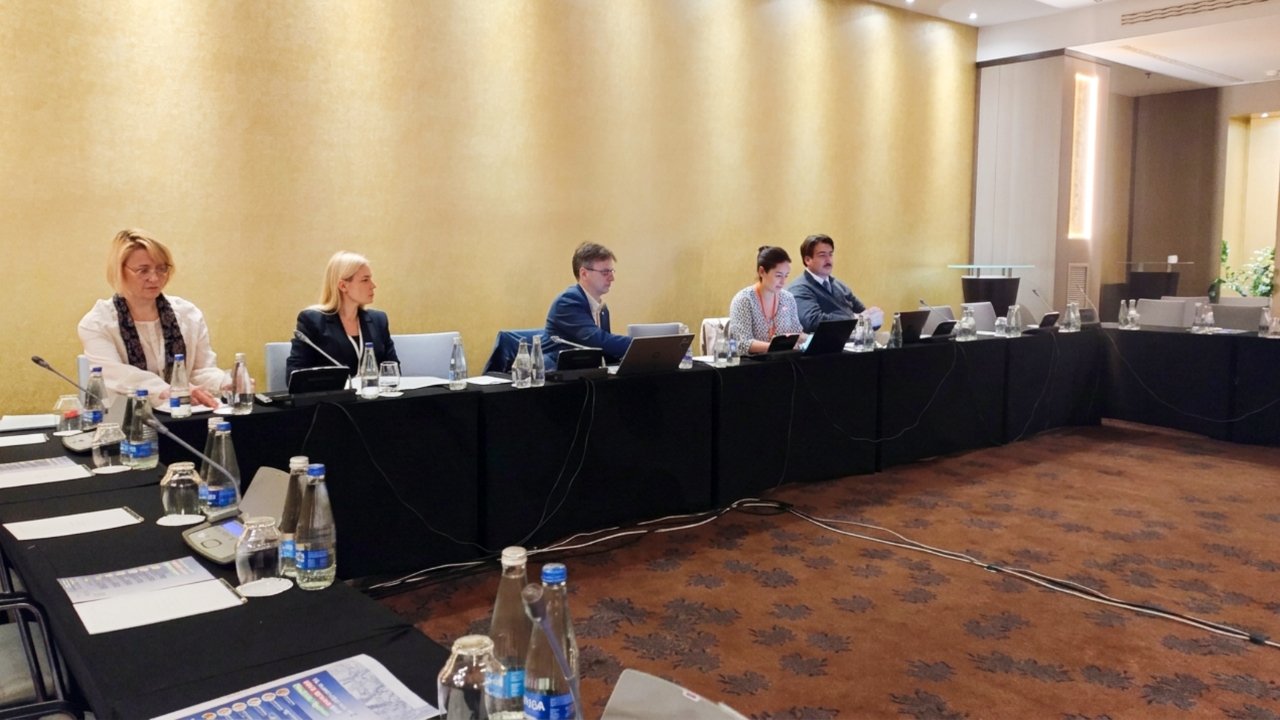
On 7 October 2026, Solidarity With OTHERS organised a panel discussion entitled “The Double-Edged Role of AI: Hate Speech and Counter-Speech” during the OSCE Human Dimension Conference 2026 in Warsaw, Poland. Bringing together academics, human rights experts and civil society representatives, the event explored how artificial intelligence is transforming the production, dissemination and detection of online hate speech. Speakers examined the responsibilities of digital platforms, the challenges of content moderation, the risks of AI-generated hateful narratives and the potential of AI to support counter-speech. The discussion also addressed the need to balance freedom of expression with protection against discrimination, while strengthening transparency, accountability and international cooperation.
Coşkun Yorulmaz: “AI makes hate easier to produce.”
Coşkun Yorulmaz discussed the systematic use of hate speech against individuals associated with the Gülen movement in Türkiye and its role in creating a hostile social environment. Drawing on the organisation’s media-monitoring research, he explained how AI enables hateful narratives to be reproduced across different formats, languages and platforms at unprecedented speed. He also introduced Söylem Gözlemevi (Discourse Observatory), an AI-powered monitoring initiative that analyses Turkish media coverage to identify patterns of hate speech and track how hostile narratives develop and spread.
Dr. Anna Leszczuk-Fiedziukiewicz: “It became a tool of hate.”
Dr. Anna Leszczuk-Fiedziukiewicz examined Meta’s evolving approach to content moderation and the spread of hate speech on Facebook. She discussed the platform’s controversial decisions concerning violent rhetoric following Russia’s invasion of Ukraine, questioning the transparency and consistency of its moderation policies. Her presentation highlighted the commercial incentives behind emotionally charged online content and the limitations of relying on artificial intelligence to make complex ethical decisions.
Dr. Ewa Milczarek: “Who decides what is hate?”
Dr. Ewa Milczarek explored the constitutional implications of AI-powered content moderation and the growing influence of private technology companies over public discourse. Presenting findings from her research involving approximately 10,000 respondents across 45 European countries, she highlighted public concerns about platform power and the demand for independent oversight. She argued that effective content moderation requires clear rules, contextual decision-making, meaningful human review, transparency and accessible appeal mechanisms to protect both freedom of expression and individuals affected by hate speech.
Professor Rafał Pankowski: “The right to live without fear.”
Professor Rafał Pankowski traced the evolution of online hate speech from the early internet to social media and generative artificial intelligence. Drawing on more than three decades of experience with the NEVER AGAIN Association, he discussed the role of digital platforms in amplifying racist, antisemitic and anti-refugee narratives. He presented an example of AI-generated hateful content circulated by a political figure, illustrating the growing scale and reach of such material. He emphasised that legal frameworks alone are insufficient without political will, public awareness and active participation by digital citizens.
Matteo Tracchi: “Only if we work together.”
Matteo Tracchi presented the Council of Europe’s work on combating hate speech and addressing the risks of artificial intelligence. He outlined three recommendations concerning hate speech, equality and AI, and technology-facilitated violence against women and girls. His intervention emphasised the importance of combining legal measures with education, awareness-raising and counter-speech initiatives. He also highlighted the need for human rights impact assessments, meaningful human oversight and cooperation between governments, technology companies, researchers and civil society organisations.
Watch the Full Panel Discussion
Moderated by Claire Dunyach, the panel concluded with an interactive discussion addressing independent oversight of content moderation, the potential contribution of the OSCE to tackling AI-related hate speech, and the risks of AI systems themselves generating discriminatory content. Participants emphasised the importance of international cooperation, education and stronger safeguards to ensure that emerging technologies respect human rights and democratic values.
The event was broadcast live on YouTube, allowing audiences beyond the conference venue to follow the discussion. The full recording, including all presentations and the audience Q&A session, remains available online.