

Everyday Islamophobia: Impacts, Consequences and Paths to Inclusion
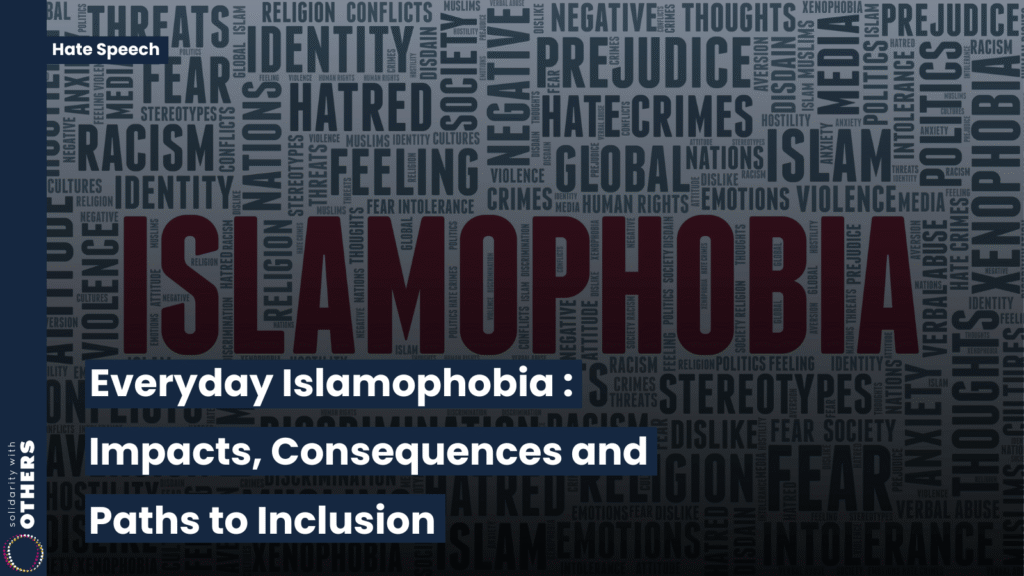
Ilhame Laghnimi* Islamophobia has become an increasingly visible and normalised form of discrimination in many societies. While it is often associated with extreme acts of violence, it is also deeply rooted in more subtle and everyday forms of expression. Hate speech, stereotypes, and repeated negative narratives contribute to shaping how Muslims, or those perceived to […]
Why Europe Still Struggles to Recognize Femicide
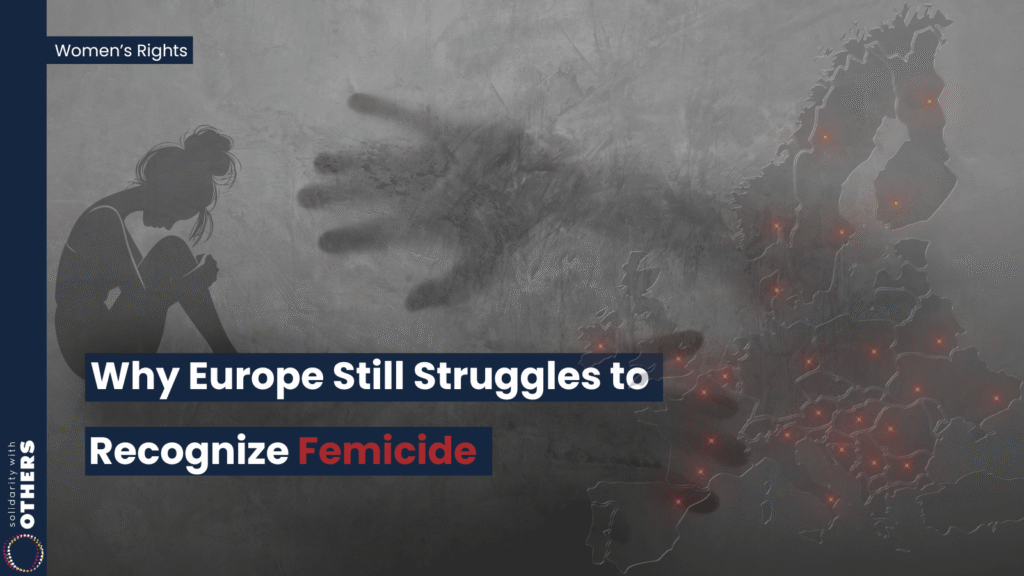
Genta Abdiji * The Power of Naming There is something deeply uncomfortable about naming violence. Words force societies to confront truths they might prefer to avoid. Naming violence such as femicide makes it harder to describe these killings as “random,” “rare,” or “unfortunate,” and instead requires acknowledging them as part of a wider social problem. […]
Gender based discrimination by Artificial intelligence
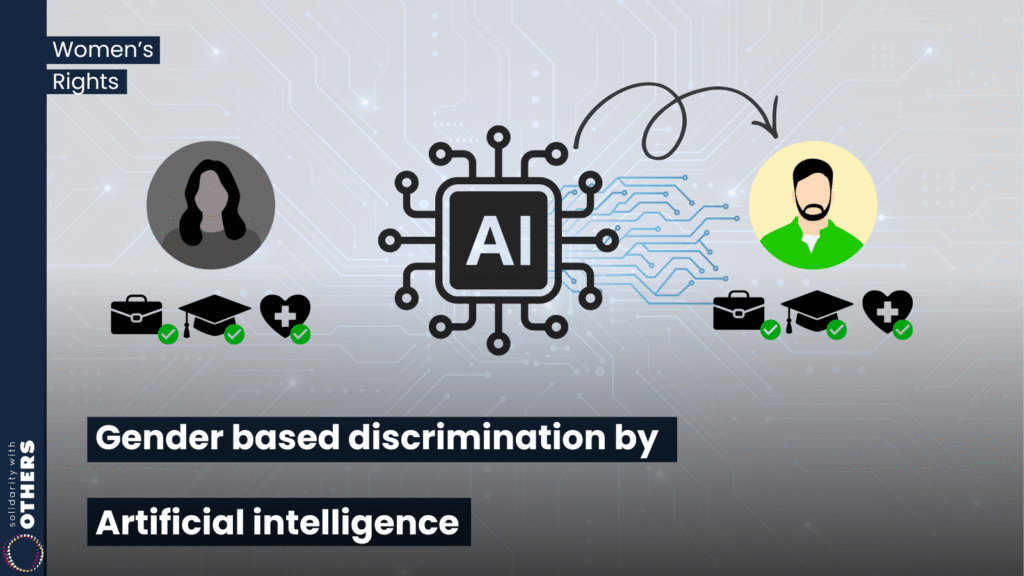
Mariam Atanelishvili * “When technology is developed with just one perspective, it’s like looking at the world half-blind” [1] Women have faced discrimination throughout the centuries, and unfortunately, the 21st century is no exception. Even today, modern digital tools tend to discriminate against women and make gender-biased decisions, placing women in difficult positions. What […]
Hurt people, broken communities: The socio-psychological consequences of hate speech
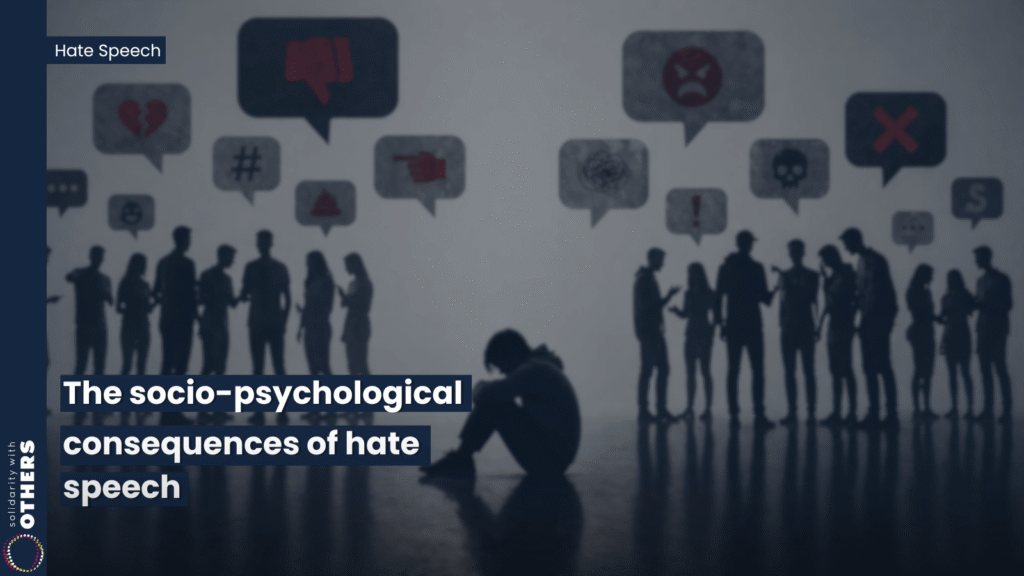
Francesca Le Pera * Introduction Hate speech is often defined as a mere “crime of words”, generated by the inevitable deterioration of free speech in modern societies. However, it actually represents a form of social harm, which can easily translate into the systematic stigmatization and discrimination of entire communities. When words target people based on […]
When Hate Becomes a Weapon: Why State-Driven Hate Speech Demands New Responses
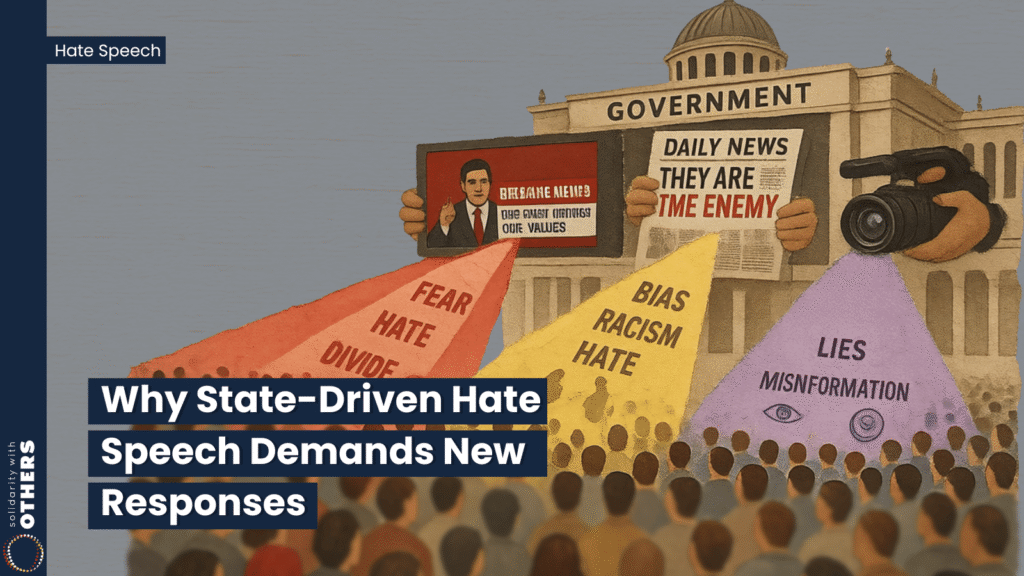
Miranda Mchedlishvili * Not All Hate Speech is the Same Hate speech has traditionally been understood as a social problem rooted in prejudice and community tensions. But not all hate speech is the same. Authoritarian regimes now weaponise hate speech as a tool of digital transnational repression, running coordinated campaigns at industrial scale to silence […]
Caught in the Crossfire: Women’s Experiences of Violence in War
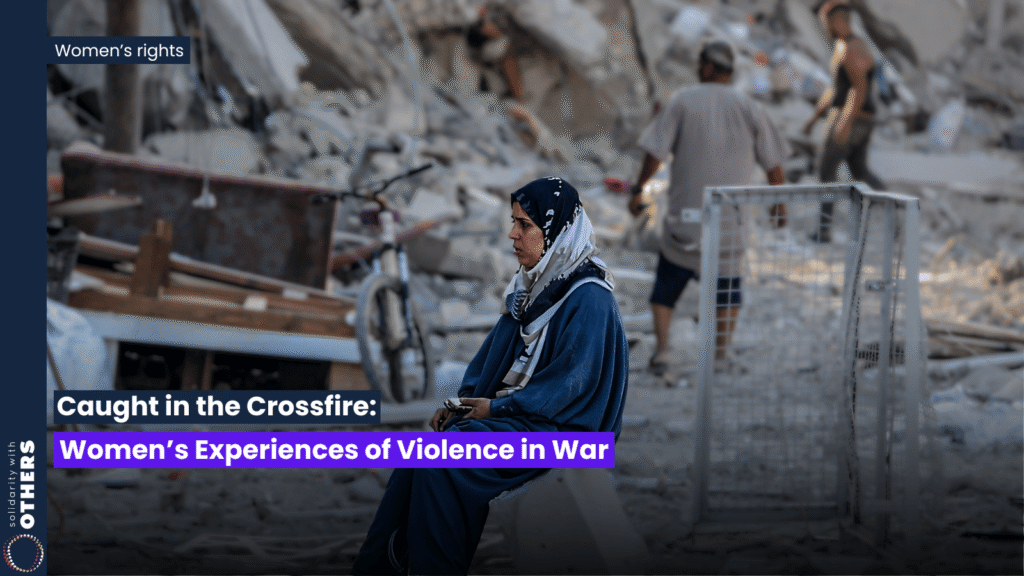
Weronika Pilsniak * “Violence against women means any act of gender-based violence that is rooted in discrimination, unequal power relations, gender stereotypes and harmful social norms that results in, or is likely to result in, physical, sexual, psychological, social or economic harm or suffering to women and girls, including threats of such acts, neglect, coercion […]
Confronting Islamophobia: Reflections on 15 March
Camilla Portinaro* On 15 March, the international community observes the International Day to Combat Islamophobia, a date designated by the United Nations General Assembly in Resolution 76/254 to promote a global culture of tolerance, dignity, and peace. The date is also deeply symbolic: it marks the anniversary of the Christchurch Mosque shootings, a horrific act […]
Hate Speech: The Invisible Crime of the New Era

Hongyu Pan * Introduction For a long time, hate speech has often been seen as a cultural or moral problem. Its definitions were largely confined to symbolic or discursive levels. In the digital age, however, this view does not fully capture the harm it can cause. Hate speech shapes social groups and influences individual psychology. […]
Prevention as Policy: Why Governments Should Invest in Early Action
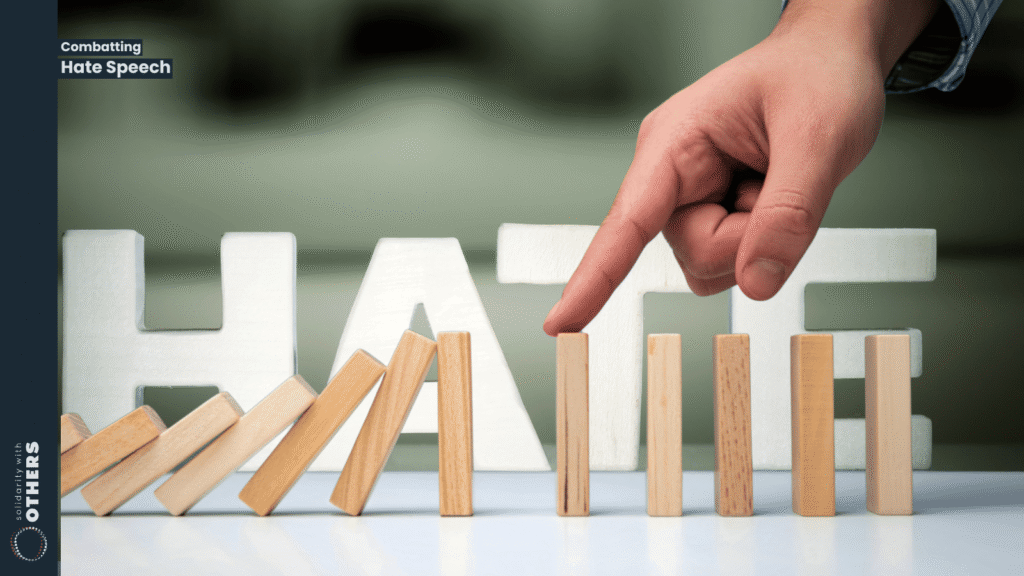
Hongyu Pan * Introduction For many years, governments have relied mainly on punishing crime after it happens, through heavier penalties, longer jail terms, and stricter enforcement. This “reactive” approach is straightforward, easy to implement, and produces immediate but often short-term results. But while it may look effective on the surface, it often fails to prevent […]
The Economic Costs of Ignoring Hate Speech: Why Inaction Is More Expensive Than Prevention
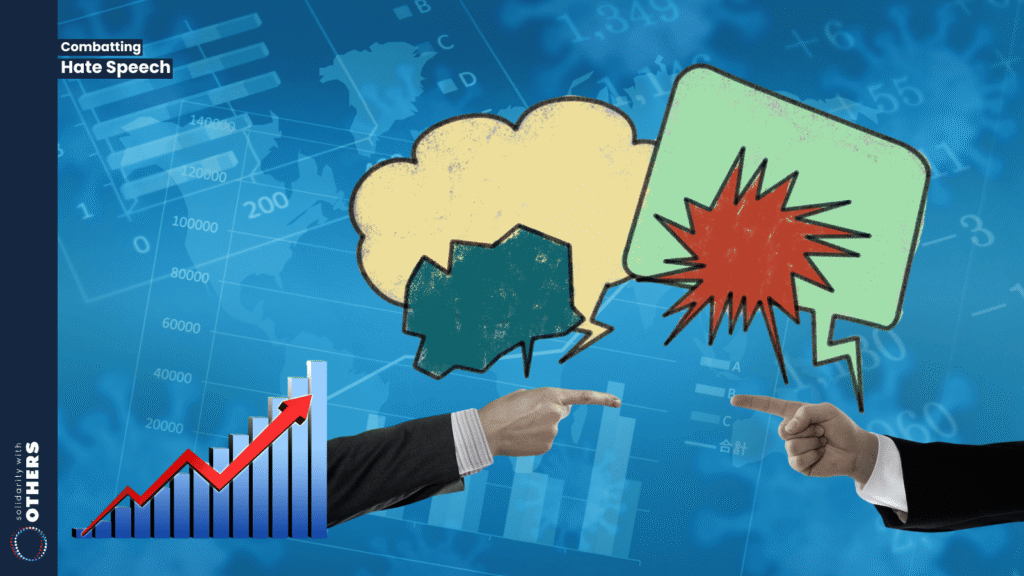
Introduction Public discussions about hate speech usually focus on ethics, human rights, or social cohesion. Yet one dimension remains widely underexplored: the economic cost of failing to address hate speech effectively. As governments, companies, and societies grapple with rising online hostility, the financial consequences of inaction grow increasingly clear. From lost productivity to public health […]