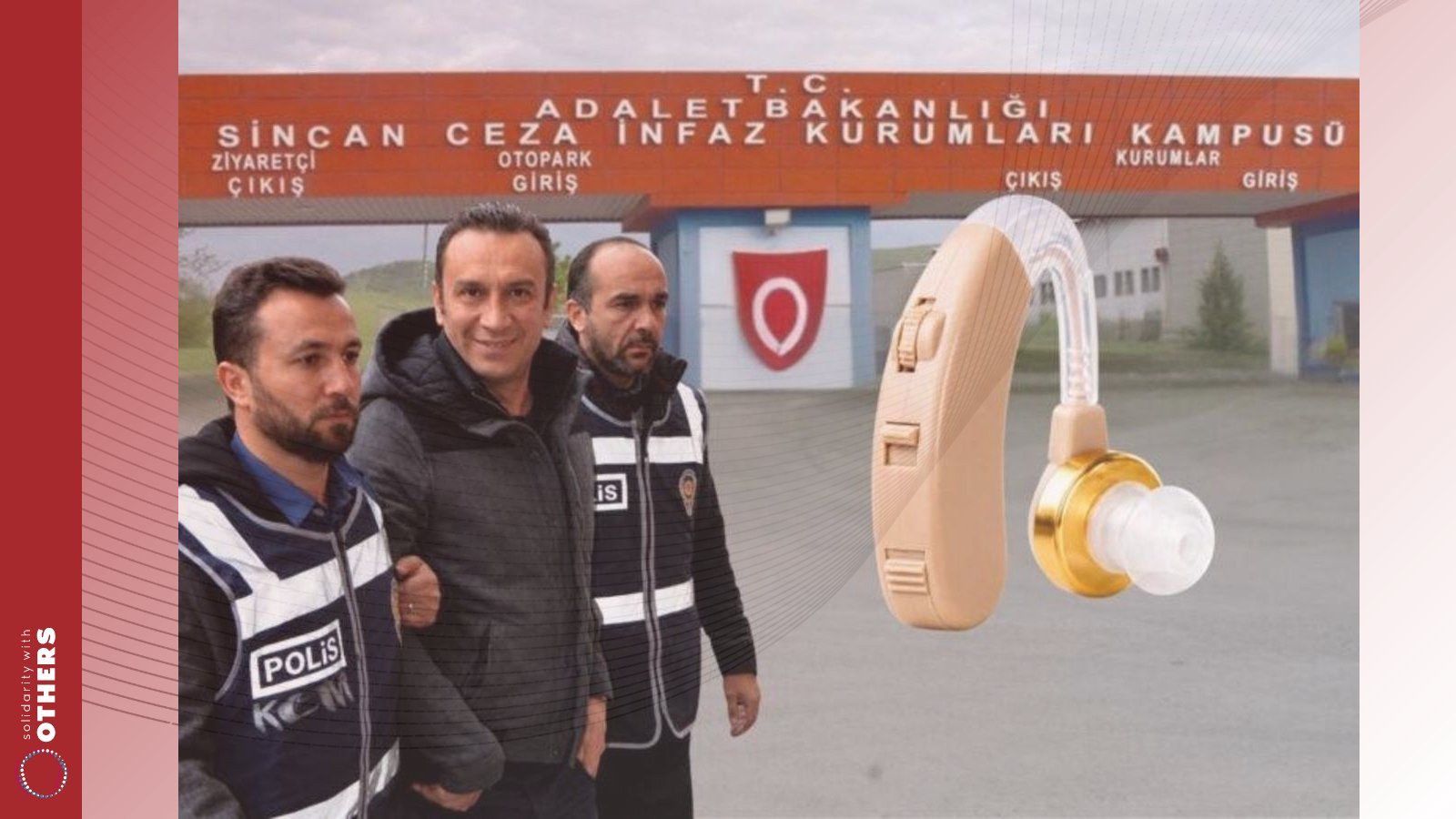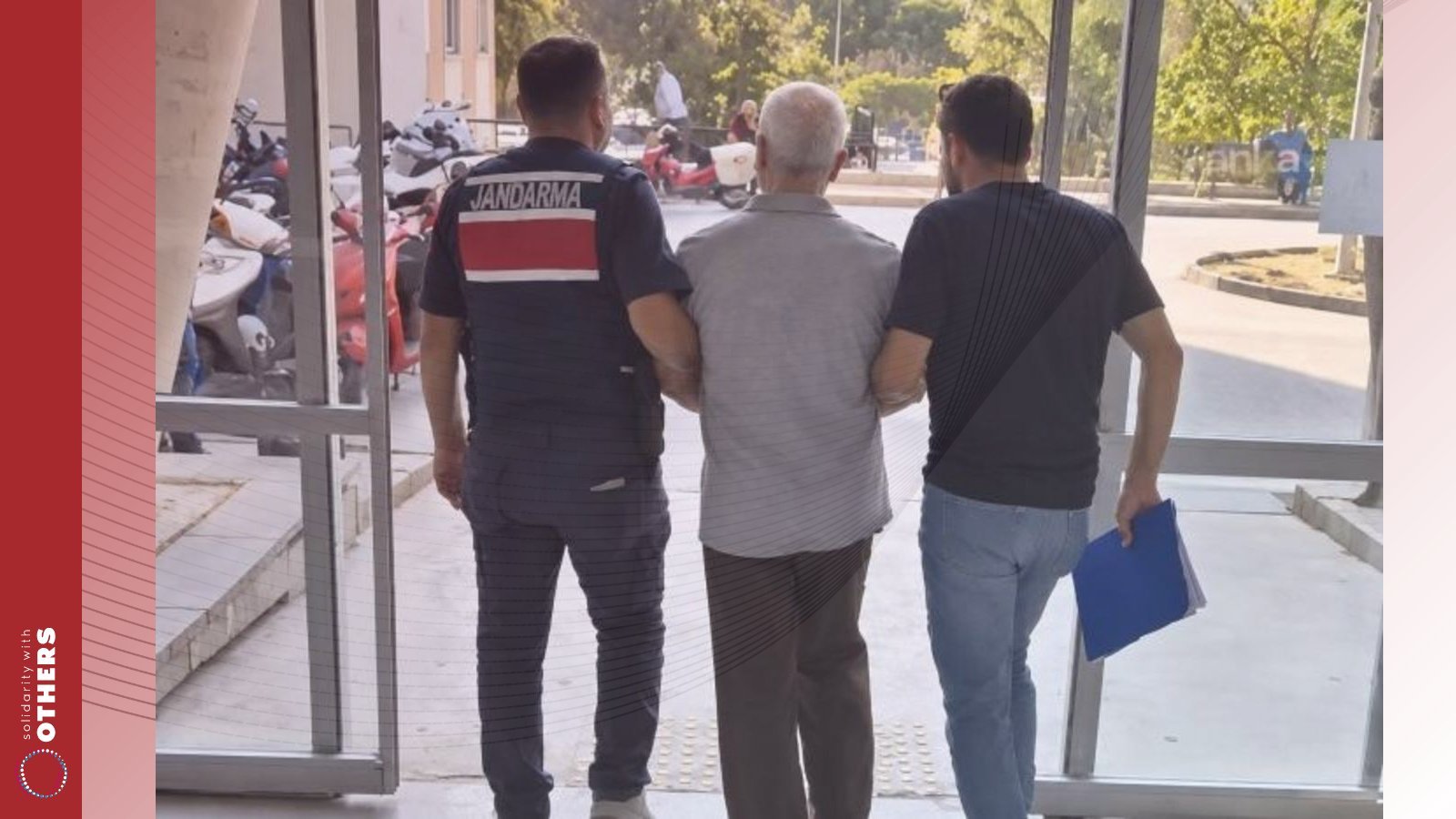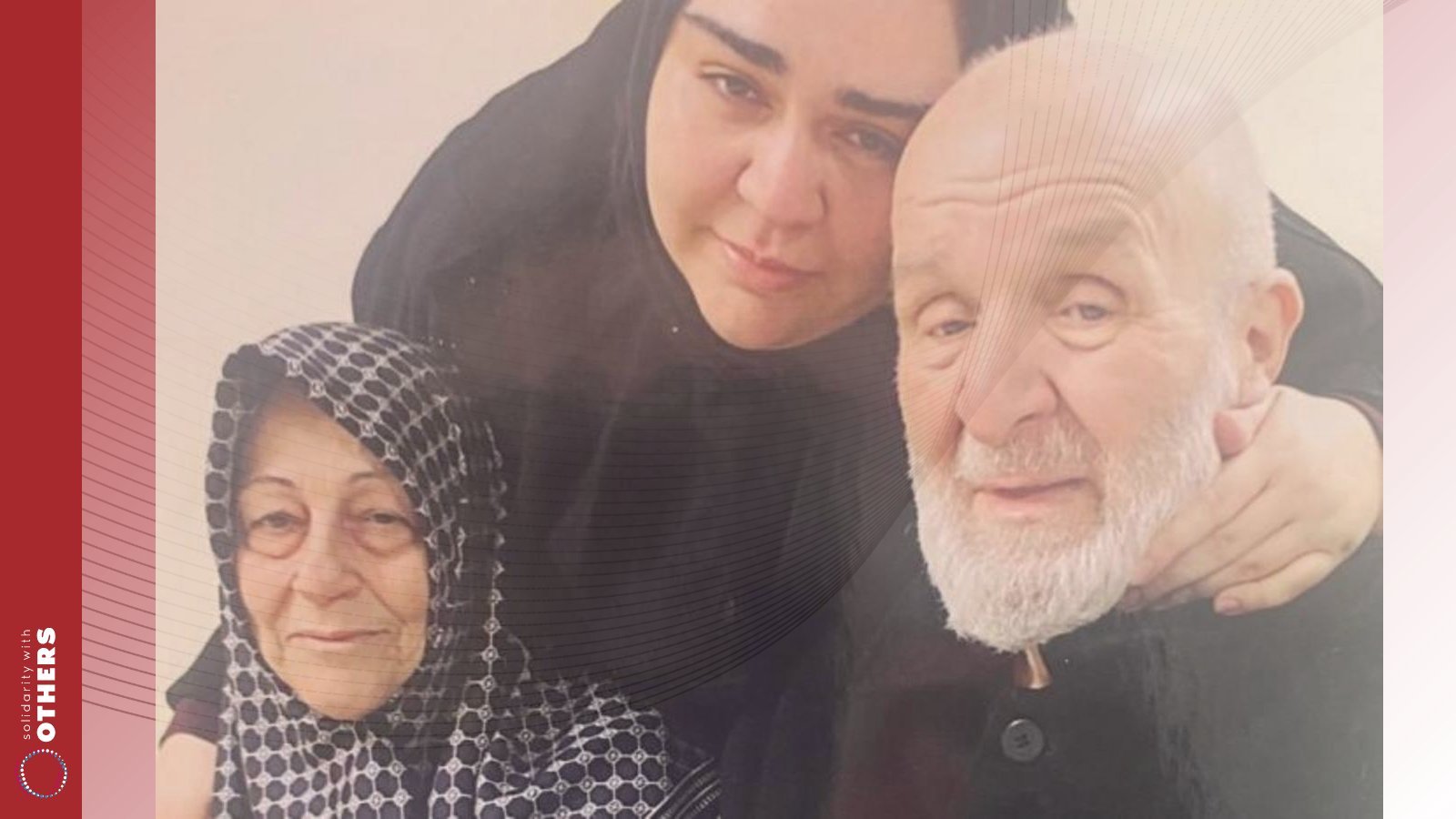


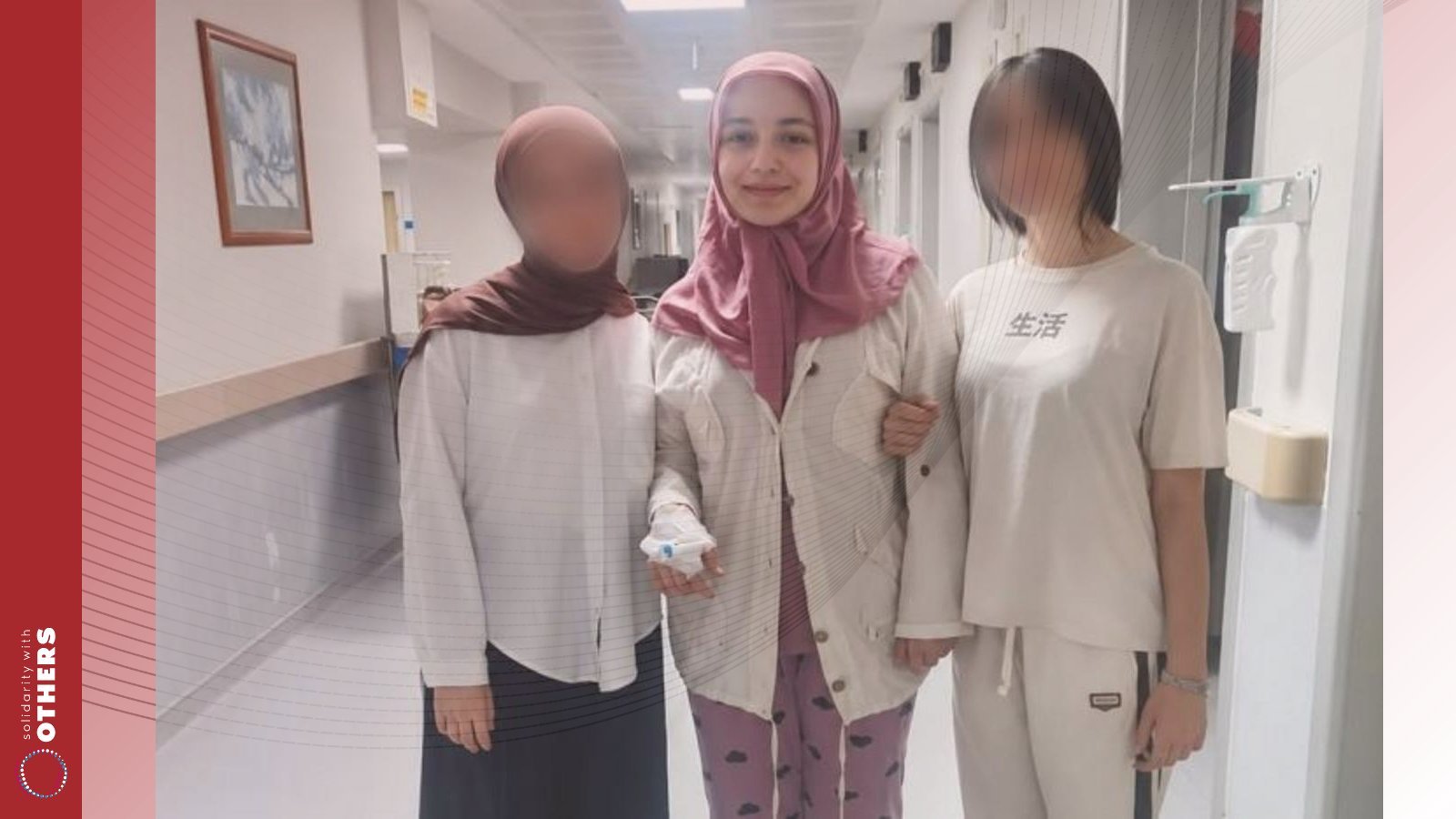
On 9 June 2026, on the instruction of the İzmir Chief Public Prosecutor’s Office, police raided homes across twelve provinces at around 5:30 in the morning. Eighty people were detained, forty of them university students, most of them women. After three days in custody, 41 were remanded — largely headscarf-wearing students from Dokuz Eylül, Ege, İzmir Demokrasi, Katip Çelebi, Bakırçay, Yaşar, Adnan Menderes and Balıkesir universities, studying medicine, law, engineering and theology.
Footage from the raids shows bedrooms and shared living spaces stripped: drawers emptied onto floors, wardrobes turned out, books, lecture notes and personal documents scattered across the rooms.
The theory holding the case together is what İzmir prosecutors call güncel yapılanma — “current structuring.” The argument is that people connected to the Gülen movement continue to constitute an active organisation, and that ordinary contact between them is evidence of it. Once that premise is accepted, no separate criminal act needs to be shown.
So the conduct listed against these students is: renting a flat together, living in the same house, sharing the rent, seeing friends, and travelling to Bosnia and Herzegovina to visit relatives or on holiday. The Interior Ministry classified these activities as “education structuring” and “terrorism financing.”
Among those remanded was a final-year medical student one month from graduation, and Rümeysa Şanal, 31, who has a nine-month-old baby. The İzmir Criminal Judge of Peace took statements from twenty students in a single hour and announced the decision fifteen minutes later.
Meryem Yılmaz
Meryem Yılmaz is 21, a third-year psychology student at İzmir Demokrasi University. On 21 July 2025 she underwent major surgery at Bursa Uludağ University Hospital for advanced scoliosis. Surgeons fixed her spine with 22 screws and metal plates — eleven on each side. Her discharge report recorded that the operation was successful but required a long recovery, and that she would live with the implanted material permanently. Her doctors said internal healing would take eighteen months to two years.
She was imprisoned before the first year was out.
In the month after surgery she fainted whenever she stood up. She became afraid to leave the house alone. She had a follow-up appointment scheduled for the day after her detention; she never got to it. Her family had travelled together to Bosnia and Herzegovina over the Kurban Bayramı holiday, passing through police checkpoints without incident, and returned as a family after nine days. In custody she was asked who she had met there and what she had done.
She fainted in police custody. She was given an injection and returned to the cells. She has fainted again in prison, and reports dizziness and blackouts. The prison doctor wrote a hospital referral. According to her mother, she still had not been taken, more than two weeks on.
She cannot go out to the yard. She stays in her ward because she is afraid of falling. Her cellmates help her with meals and daily needs. Her mother’s fear is straightforward: an uncontrolled fall could damage her head, or the hardware in her back.
The surgical report was submitted to both the prosecutor and the court. It did not affect the decision to detain her.
Her mother’s account of the file against her daughter: her father was investigated under an emergency decree, the family went to Bosnia together, and she shared a flat with a friend from university.
This is not the first time
In June 2025 the same prosecutor’s office ran the same operation. Forty-five detention orders, forty people taken across six provinces — including the parents of students already prosecuted in the case known publicly as the Girls’ Case. Twenty-seven of forty-two students detained were remanded. The stated grounds: living in the same house, helping one another, attending religious discussions, organising iftar gatherings. Officers searched the flats and examined, among other things, a bag of prayer beads found in a drawer.
The questions put to the students in that operation included where they had lived, who signed their tenancy, who paid their electricity and internet bills, whether they held a passport, whether they had travelled abroad and with whom, whether any relative had been detained or imprisoned, and whether they had ever subscribed to a newspaper or magazine.
None of that is a criminal act. It is a life.
Sources
1- https://www.tr724.com/kizim-sirtinda-22-vidayla-cezaevinde-yasam-mucadelesi-veriyor/
2- https://www.tr724.com/izmirdeki-ogrenci-evi-baskinlarinin-goruntuleri-ortaya-cikti/
4- https://www.tr724.com/izmirde-gozaltina-alinan-42-ogrenciden-27si-tutuklandi/
Legal Note:
In Kudła v. Poland [GC] (26 October 2000), the ECtHR held that Article 3 requires the State to ensure that a detainee’s health and well-being are adequately secured, including through the provision of requisite medical assistance. Deprivation of liberty therefore engages a positive obligation to safeguard the detainee’s health.
In Yüksel Yalçınkaya v. Türkiye [GC] (26 September 2023), the Grand Chamber held that a conviction under Article 314 § 2 of the Turkish Criminal Code cannot be secured without establishing, in an individualised manner, the constituent material and mental elements of the offence. In Yasak v. Türkiye [GC] (5 May 2026), it reaffirmed and developed that principle: criminal liability must be personal and cannot rest on collective guilt or guilt by association; mens rea must be established through an individualised and contextual assessment rather than inferred merely from contact or association.
At the investigative stage, Article 5 § 1(c) correspondingly requires concrete facts capable of giving rise to reasonable suspicion against the individual concerned. Ordinary social or family relationships — such as shared accommodation, friendship or family travel — cannot, without additional individualised evidence connecting the suspect knowingly to the alleged criminal organisation, substitute for that requirement.
Article 5 § 3 further requires pre-trial detention to be supported by relevant and sufficient reasons applicable to the individual’s circumstances from the first detention decision onwards. Where a substantiated medical condition is specifically invoked as bearing on the necessity or proportionality of detention, it must receive genuine consideration; failure to engage with such a material argument, particularly together with a failure to consider less restrictive alternatives, may render the justification for detention insufficient.