

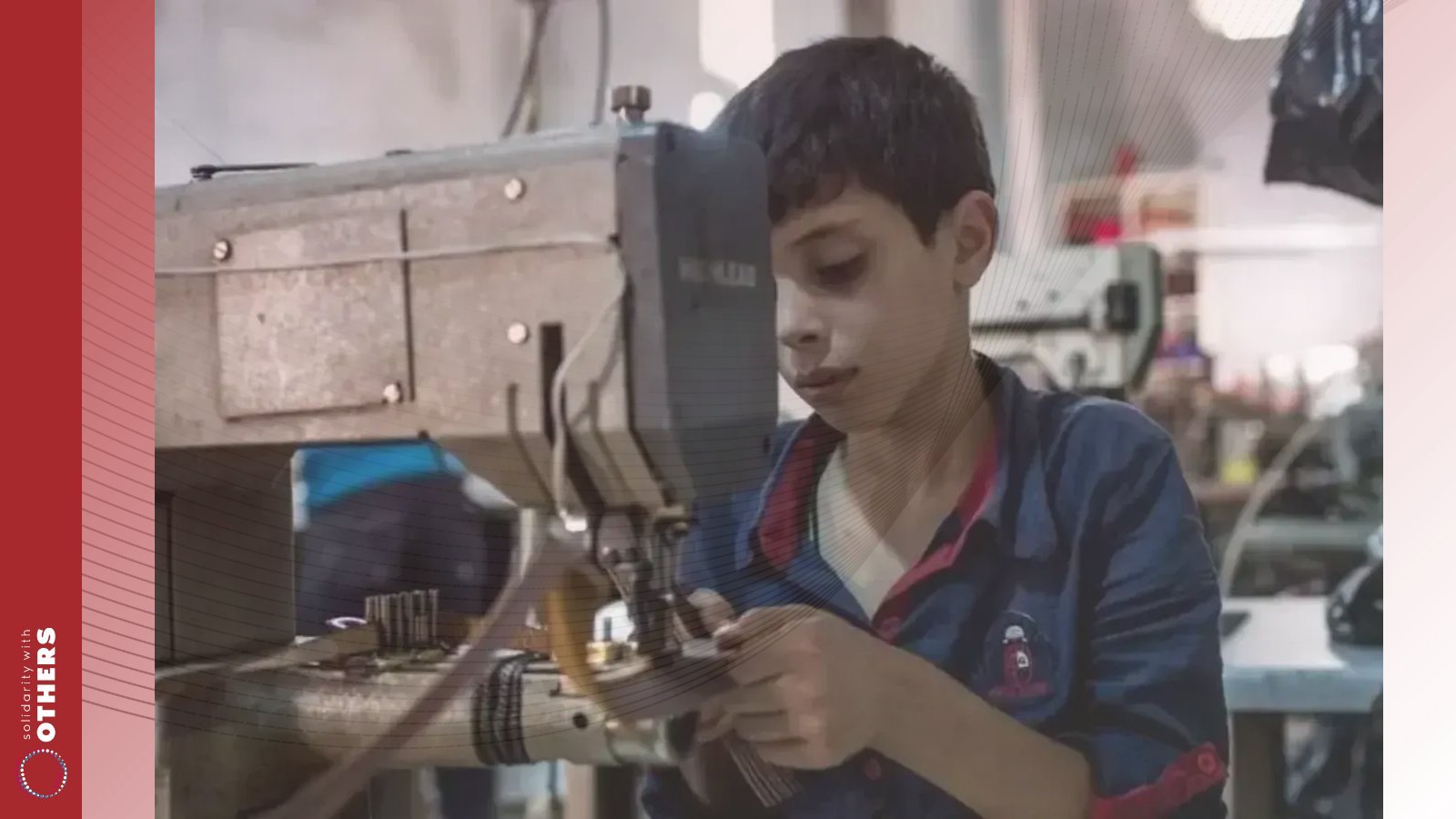
The Health and Safety Labour Watch (İSİG), an independent body that has monitored work-related deaths in Türkiye since 2011, published its annual school-year report on 22 September 2026. It records at least 95 children who died while working between 1 September 2025 and 31 August 2026, against 72 in the previous school year and 66 in 2023–2024. İSİG counts anyone under 18 as a child worker, following the international definition; Turkish law classifies 15 to 17 year-olds as “genç işçi”, young workers.
Of the 95, 28 were aged between 5 and 14 and 67 between 15 and 17. Fourteen were girls and 81 boys. Fourteen were refugees or migrants, among them 11 Syrians, two Afghans and one Iraqi. The highest tolls were in Antalya with nine deaths, Şanlıurfa with six and Mersin with five.
Agriculture accounted for 37 deaths, of whom 25 were waged workers and 12 were working as farmers, followed by industry with 27, construction with 18 and services with 13. Agriculture’s share rose from 28 percent last year to 39 percent, though İSİG’s 13-year series puts the average at 52 percent and the share in 2013–2014 at around 65 percent.
İSİG says the real figure is likely higher. It learned of 34 percent of the deaths from local sources or from notifications sent to it, and a further 29 workers recorded as 18 died in the same period, without İSİG being able to establish whether all of them had turned 18. It says all 28 children aged 5 to 14 were working informally.
Among 15 to 17 year-olds, İSİG finds the main workplace is no longer seasonal agriculture but industry, construction and services in cities. It attributes this in part to the Vocational Education Centres (MESEM), a state-run scheme under which students attend school one day a week and work four days in businesses, drawing a portion of the minimum wage with insurance cover. İSİG says that in practice students work five or six days and 10 to 12 hours a day, 50 to 60 hours a week and as late as 23:00, and that their pay, between a third and a half of the minimum wage, is met from the Unemployment Insurance Fund rather than by employers. It calls for MESEM to be closed.
İSİG also points to a regulation published in the Official Gazette on 17 January 2025 allowing pupils in the 5th, 6th and 7th grades to transfer to vocational middle schools, which it says lowers the age of entry into work-based schooling to 10 or 11.
According to SCF, Education Minister Yusuf Tekin said earlier this month that 37 students had died and 9,950 workplace accidents had been recorded in the MESEM programme since 2025.
İSİG’s report names all 95 children. Twenty-eight of them were aged between 5 and 14. The minimum age for regular employment in Türkiye is 15.
Sources:
1- İşçi Sağlığı ve İş Güvenliği Meclisi (İSİG), “2025-2026 eğitim öğretim yılında en az 95 çocuk işçi hayatını kaybetti”, 22.09.2026 (in Turkish). https://www.isigmeclisi.org/21736-cocuk-isciligi-ile-mucadeleye-2025-2026-egitim-ogretim-yilinda-en
2- Stockholm Center for Freedom, 23.09.2026. https://stockholmcf.org/child-worker-deaths-in-turkey-rise-32-percent-to-95-in-past-school-year-report/
Legal Note:
UN Convention on the Rights of the Child, Arts. 3 and 32. Article 3 requires the best interests of the child to be a primary consideration in all actions concerning children. Article 32 protects children from economic exploitation and from work likely to be hazardous, interfere with their education, or harm their health or physical, mental, spiritual, moral or social development. Türkiye is a party to the Convention.
ILO Convention No. 138 (Minimum Age Convention), ratified by Türkiye on 30 October 1998, with a specified general minimum age of 15 years; and ILO Convention No. 182 (Worst Forms of Child Labour Convention), ratified by Türkiye on 2 August 2001.
Revised European Social Charter, Art. 7 (“The right of children and young persons to protection”). Türkiye has accepted Article 7 in its entirety under the Revised Charter.
Turkey’s Labour Law No. 4857, Art. 71, prohibits in principle the employment of children below the age of 15. Children who have completed the age of 14 and compulsory primary-education age may undertake light work that does not prejudice their development or, where they remain in education, their school attendance. A limited exception also exists for children under 14 engaged in artistic, cultural or advertising activities, subject to statutory safeguards, including a written contract and separate authorisation for each activity.