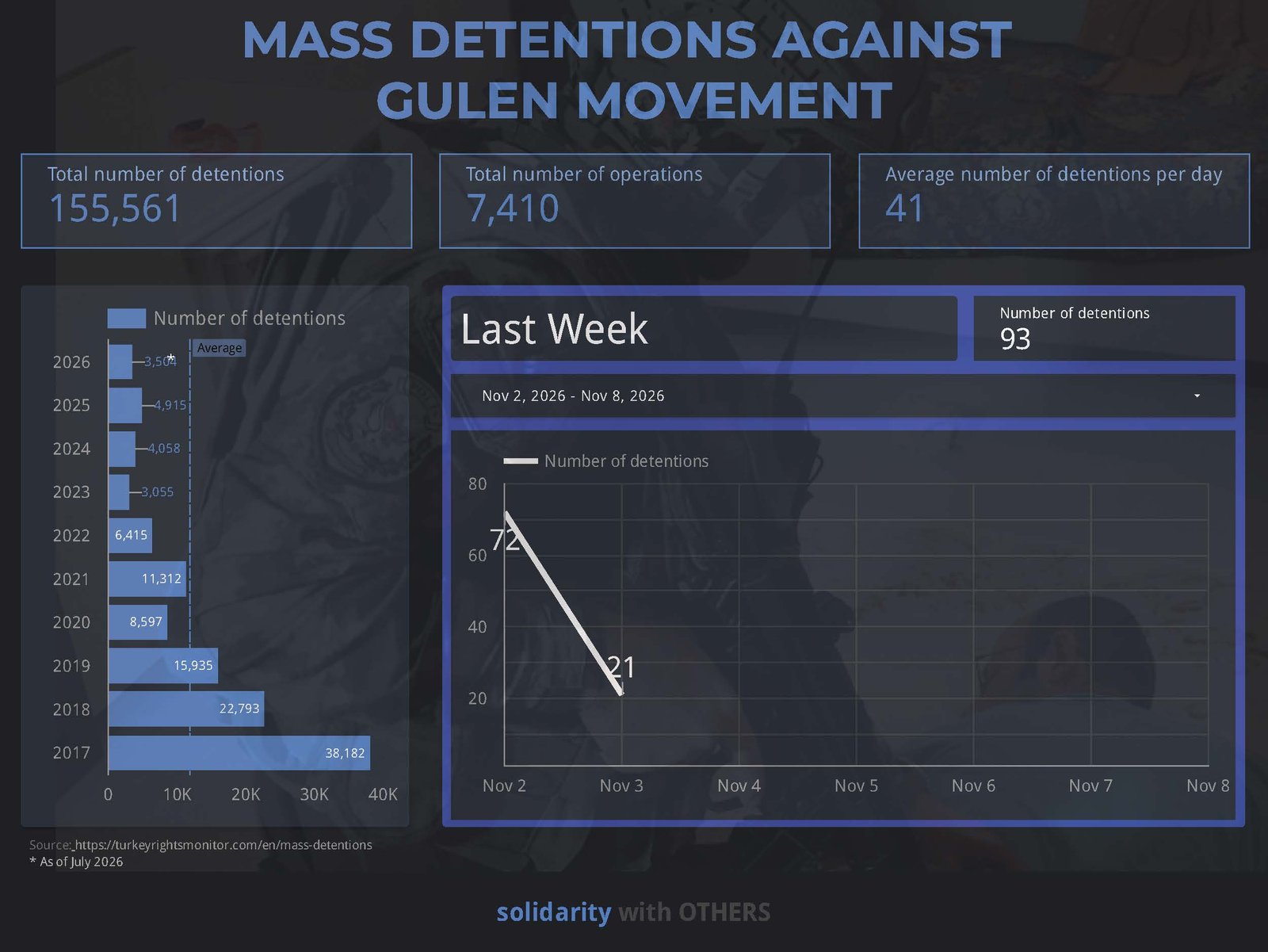
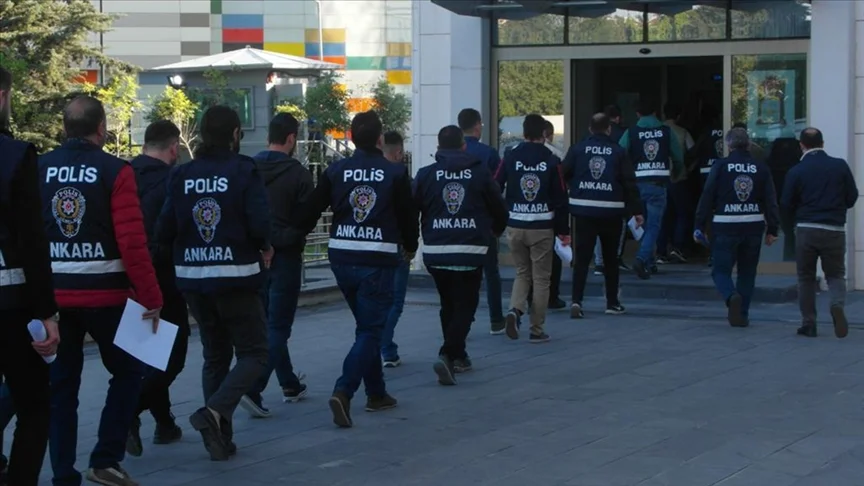
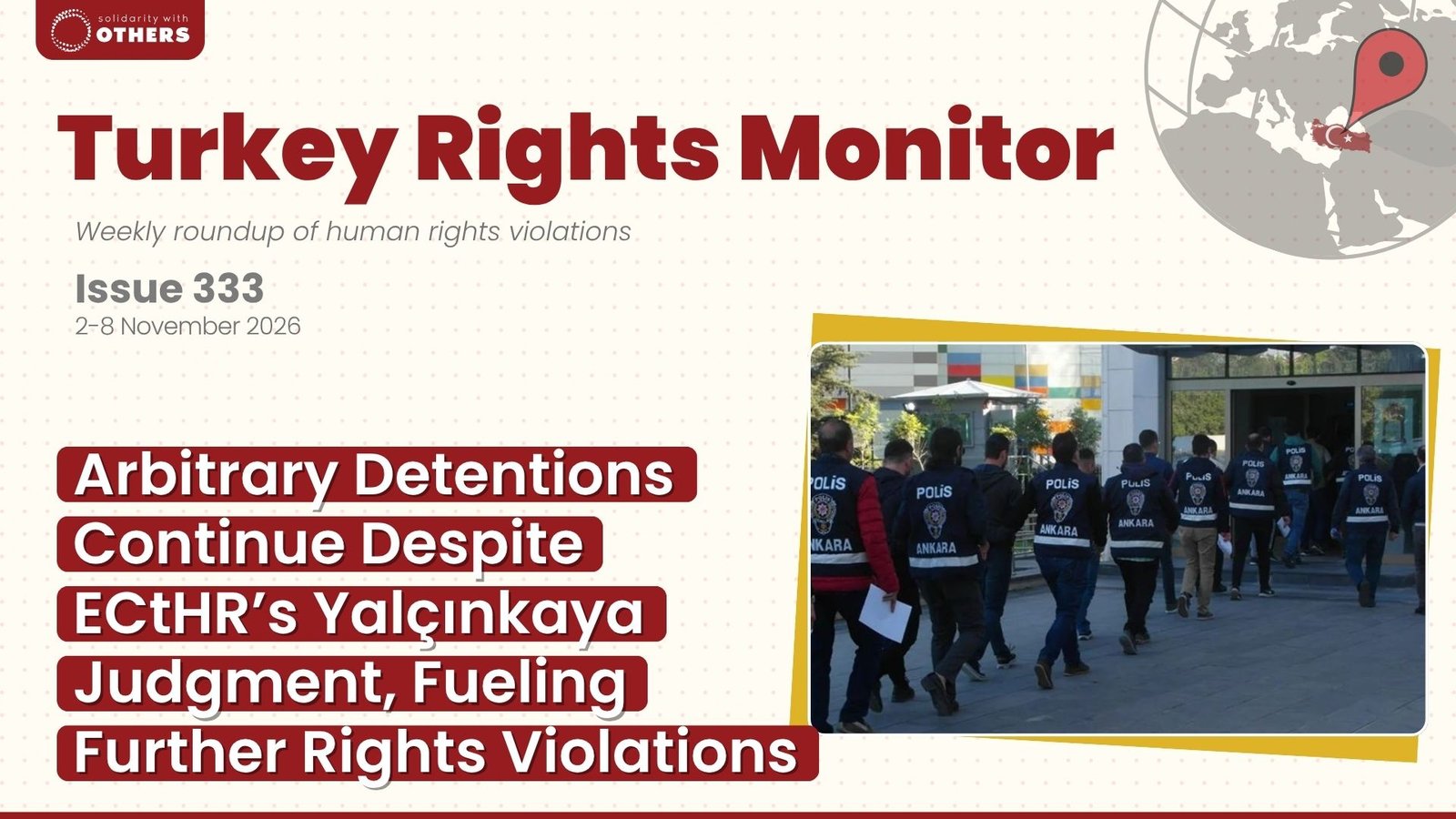
Throughout the week, prosecutors ordered the detention of at least 93 people over alleged links to the Gülen movement. In October 2020, a UN Working Group on Arbitrary Detention (WGAD) opinion said that widespread or systematic imprisonment of individuals with alleged links to the group may amount to crimes against humanity. Solidarity with OTHERS has compiled a detailed database to monitor Gülen-linked mass detentions since the failed coup in July 2016.
2 November: Turkish authorities detained 72 people across 32 provinces over alleged links to the Gülen movement, with courts ordering 41 jailed pending trial; the Interior Ministry cited humanitarian support to families of inmates as evidence of crime.
Enforced Disappearances
No news has emerged of Yusuf Bilge Tunç, a former public sector worker dismissed during the 2016–2018 state of emergency and reported missing in August 2019, in a string of suspected enforced disappearances of government critics since 2016.
Freedom of Assembly and Association
3 November: Police in Antalya detained trade-union officials İlhan Karakurt and Mehmet Şerif Özdemir and lawyer Kazım Yiğit following early-morning home raids shortly before a UN climate summit.
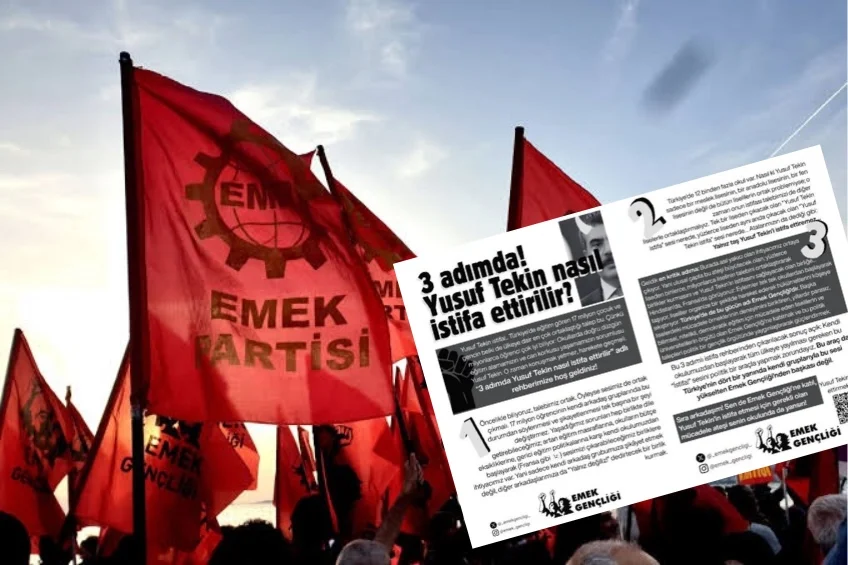
4 November: Turkish police detained two students in Kocaeli after they distributed leaflets calling for Education Minister Yusuf Tekin’s resignation; they were released after questioning and a court appearance.
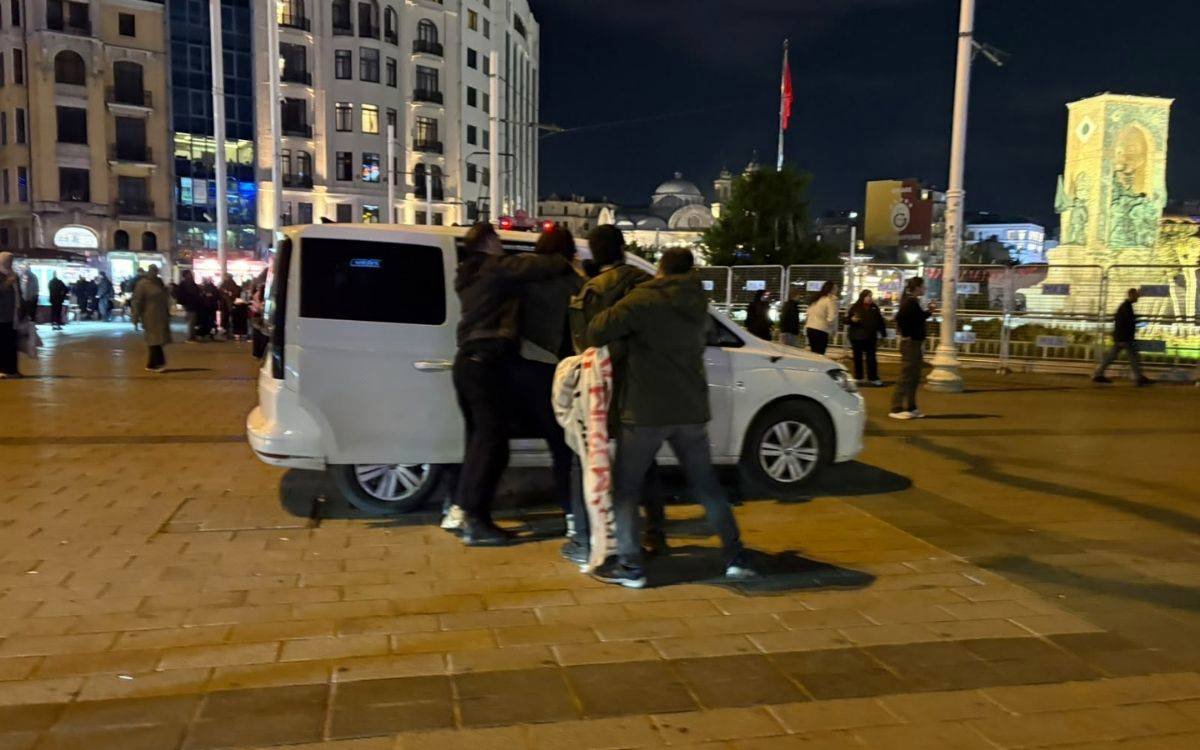
6 November: İstanbul police detained six young demonstrators protesting the Higher Education Council and the MESEM vocational-training system in Taksim Square and released them after taking statements.
Freedom of Expression and Media
2 November: Türkiye’s new social-media age-verification rules took effect, banning access for children under 15 and requiring account age checks through a government-issued token, while digital-rights advocates warned of privacy risks.
2 November: A prosecutor sought journalist Yusuf Çelik’s conviction in proceedings stemming from his sale of political books at a street stand, alleging that the activity amounted to assistance to an armed organization.
3 November: A court placed journalist Yiğit Uzun under house arrest following an investigation under Türkiye’s disinformation law after reporting on an investment-fund scandal; he said it remained unclear which publication triggered the proceedings.
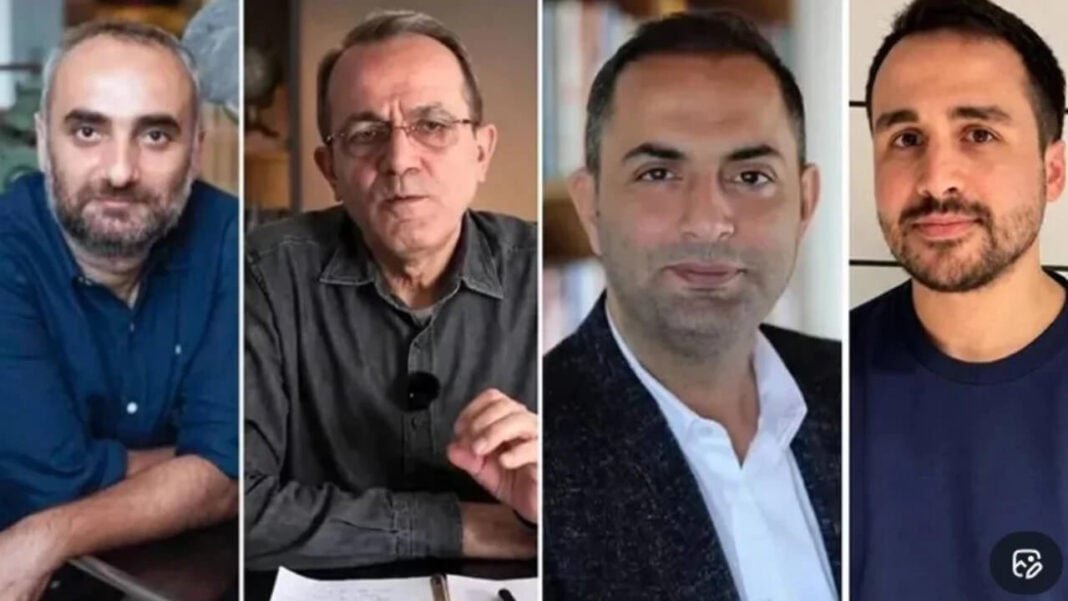
4 November: Turkish prosecutors sought prison sentences of up to 19 years for four journalists, including Murat Ağırel and İsmail Saymaz, over reporting and commentary about alleged political connections to an investment-fund scandal.
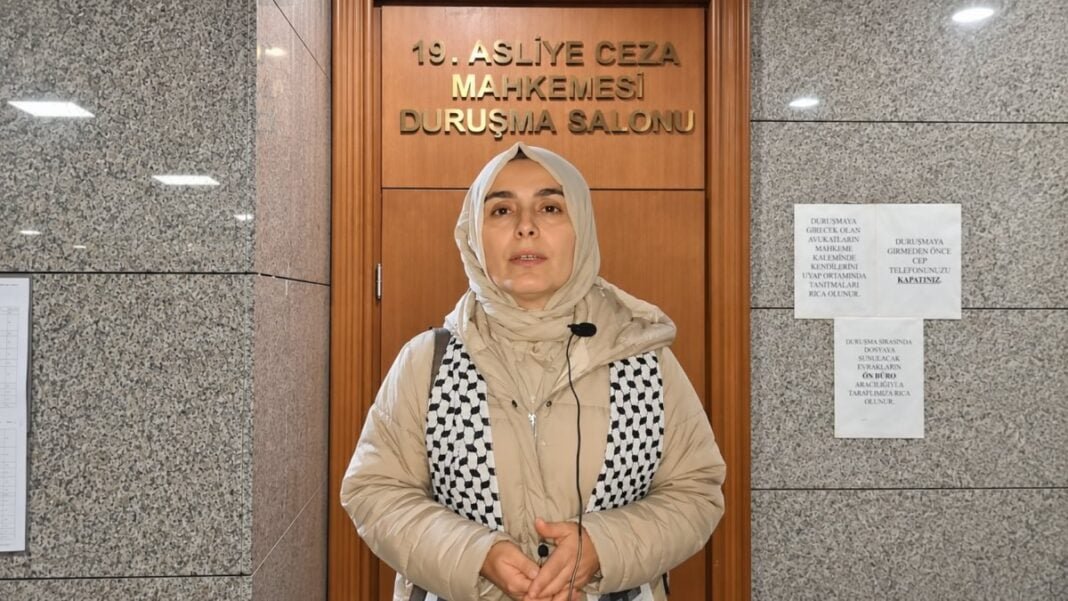
4 November: An İstanbul court handed teacher Yasemin Sürücü a suspended one-year prison sentence for allegedly spreading misleading information through letters demanding an end to trade with Israel; her lawyer said the decision would be appealed.
7 November: A court remanded Şahinbey municipal councillor Ali Yıldırım in custody on an accusation of insulting President Erdoğan, prompting his party to raise concerns about the presumption of innocence and fair-trial guarantees.
Judicial Independence & Rule of Law
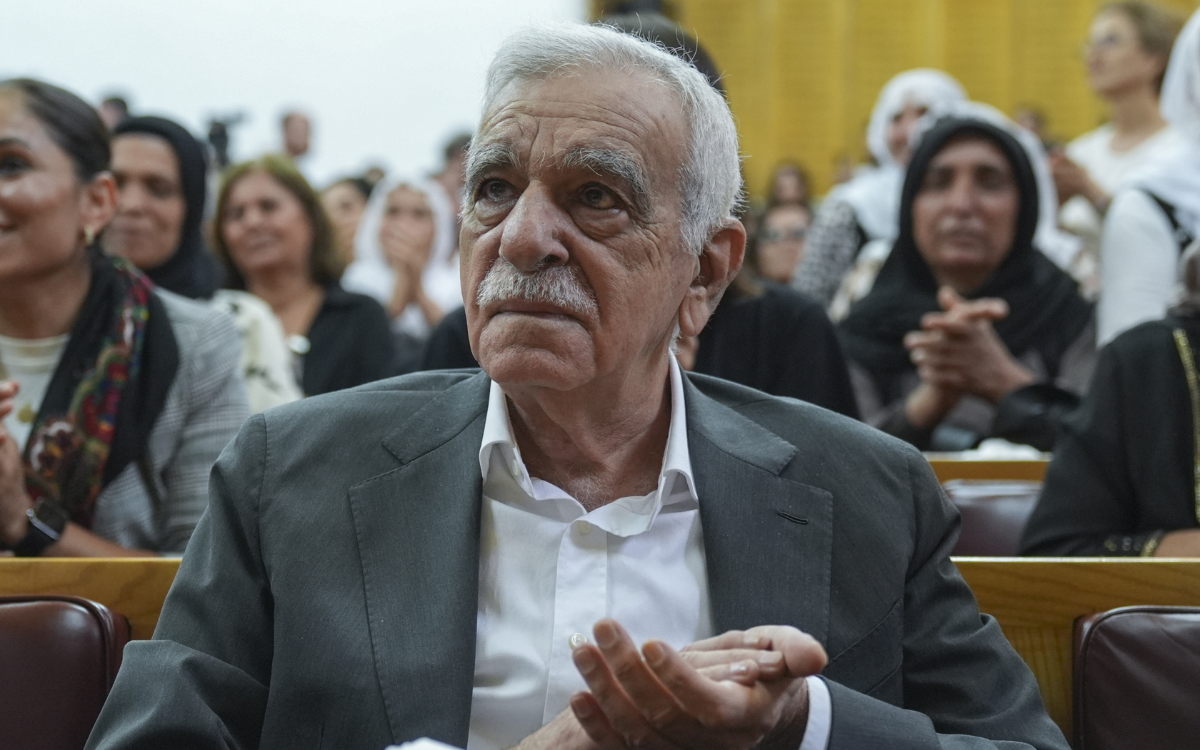
3 November: Türkiye’s Interior Ministry extended the government-appointed trustee administration in Mardin for two more months, preventing elected Kurdish mayor Ahmet Türk from resuming office.
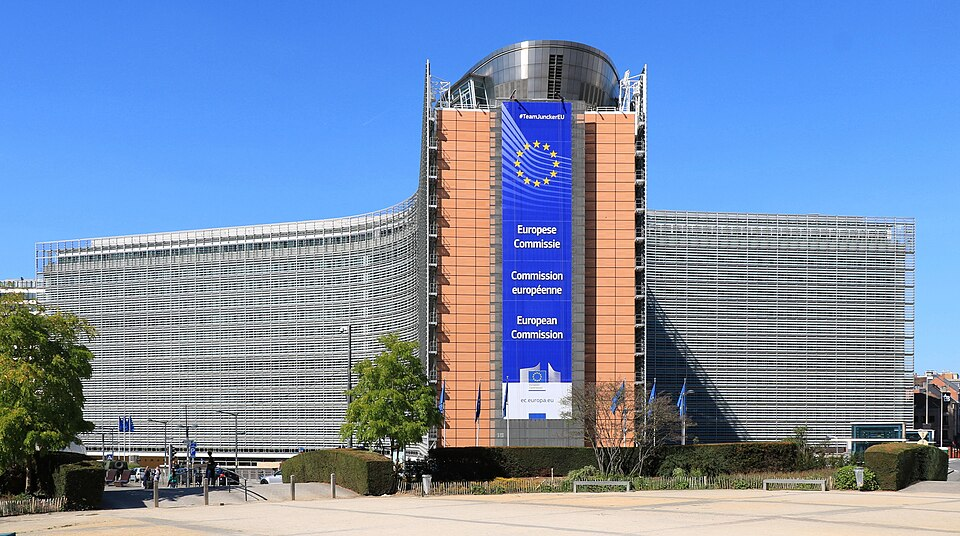
4 November: The European Commission warned in its 2026 enlargement assessment that prosecutions of opposition figures, restrictions on independent media and political influence over judicial bodies were widening the gap between Türkiye and the EU’s democratic membership criteria; Ankara disputed the assessment.
6 November: An İstanbul court sentenced suspended Gaziosmanpaşa mayor Hakan Bahçetepe to six years and three months on a bribery charge after 17 months in pretrial detention, ordering his release subject to house arrest; he denied the accusations.
6 November: Türkiye’s Constitutional Court ordered the retrial of journalists Ali Buluş, Bayram Parlak and Mehmet Karaaslan after a lower court refused to reopen their convictions despite an earlier European Court of Human Rights ruling.
Kurdish Minority
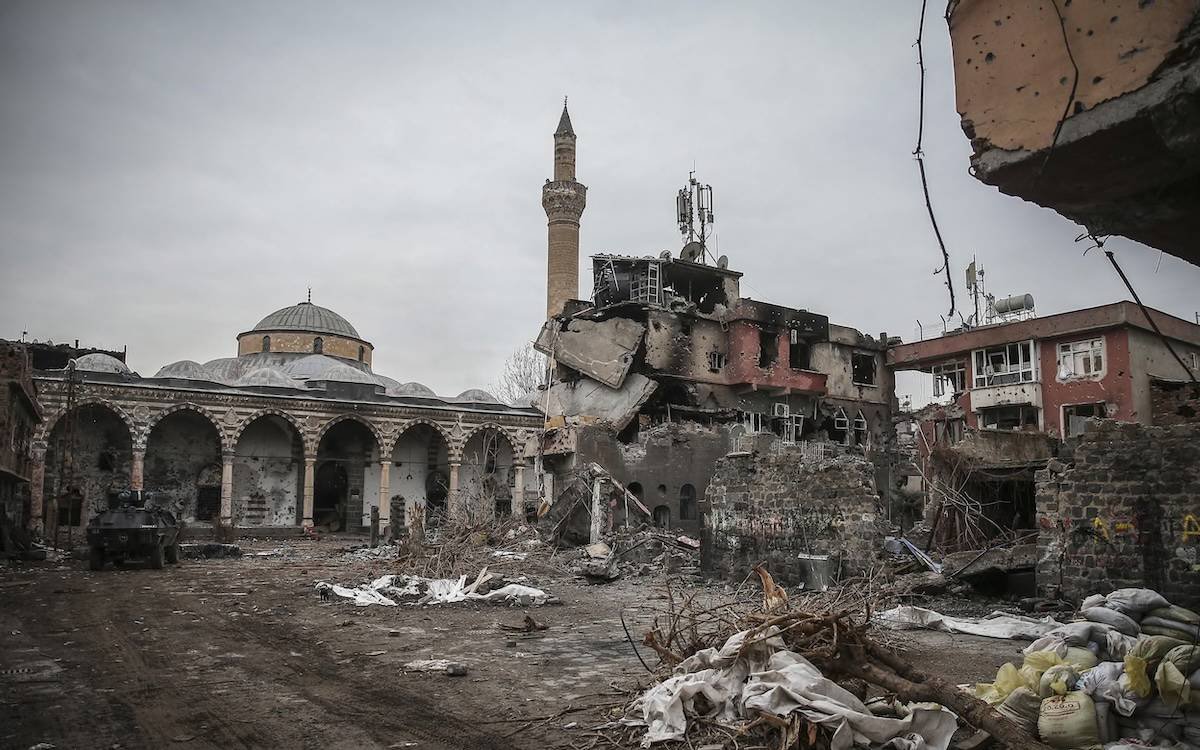
2 November: Displaced residents of Diyarbakır’s Sur district reported that many still could not return to their homes or obtain clear restoration timelines ten years after destruction and compulsory acquisition linked to the 2015–2016 conflict.
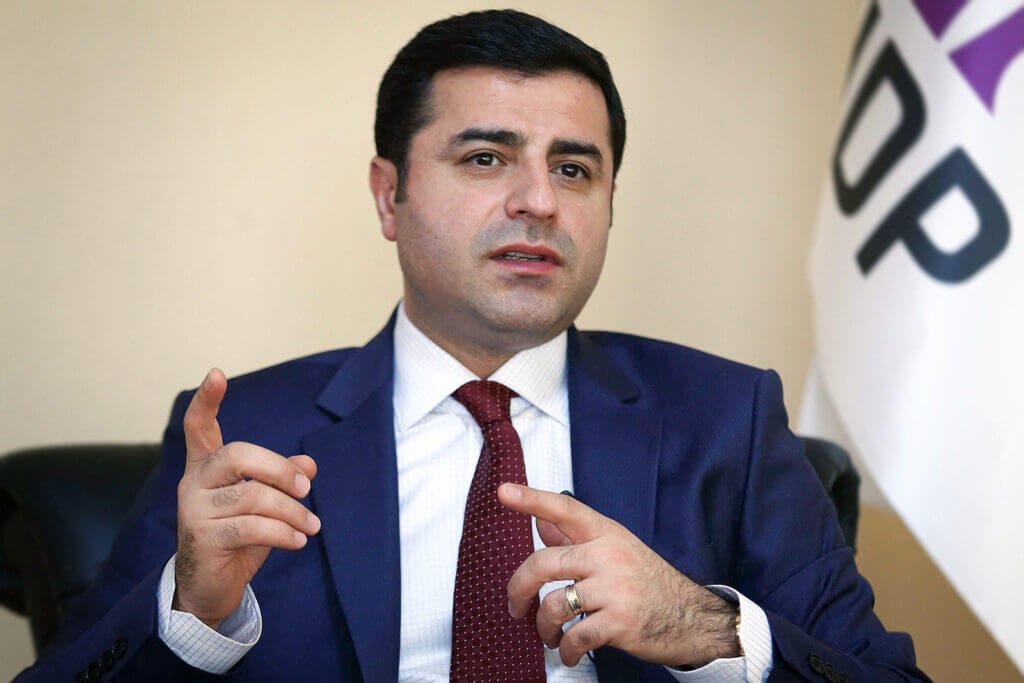
6 November: Lawyers and bar associations sought Selahattin Demirtaş’s release as he completed ten years in detention, citing binding European Court of Human Rights judgments that found his imprisonment unlawful and politically motivated.
Prison Conditions
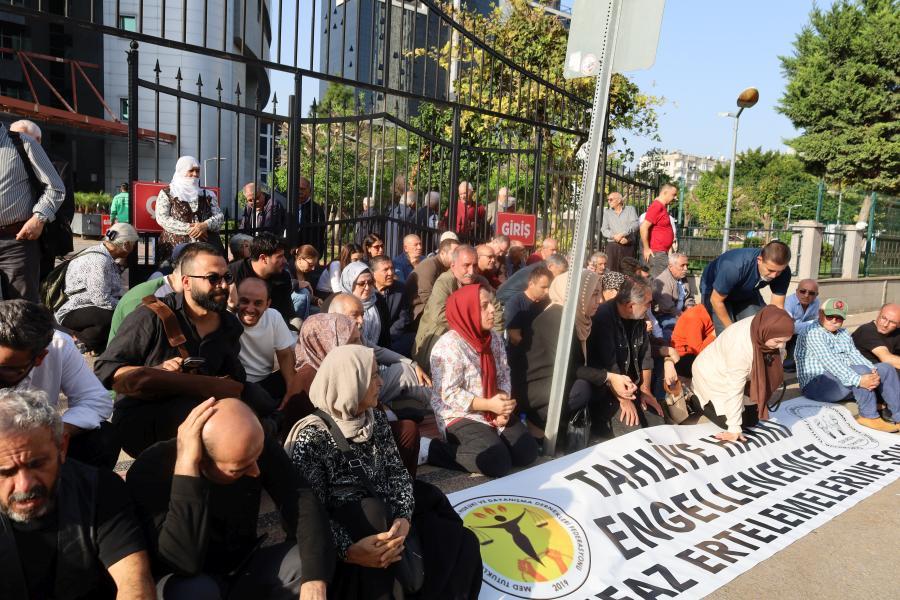
3 November: Families and prisoner-rights advocates protested outside Mersin courthouse, alleging that prison administrative decisions were delaying the release of people who had completed the required periods of their sentences.
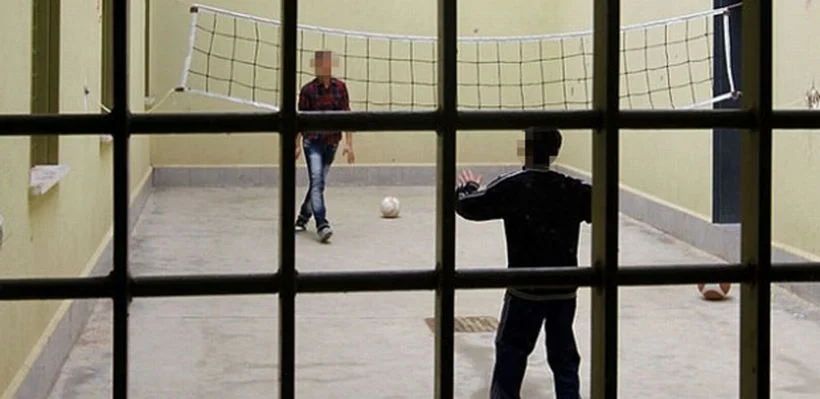
6 November: Justice Ministry statistics showed 3,809 of 5,121 imprisoned minors were being held in pretrial detention on 2 November, an increase of 17.7 percent over three months.
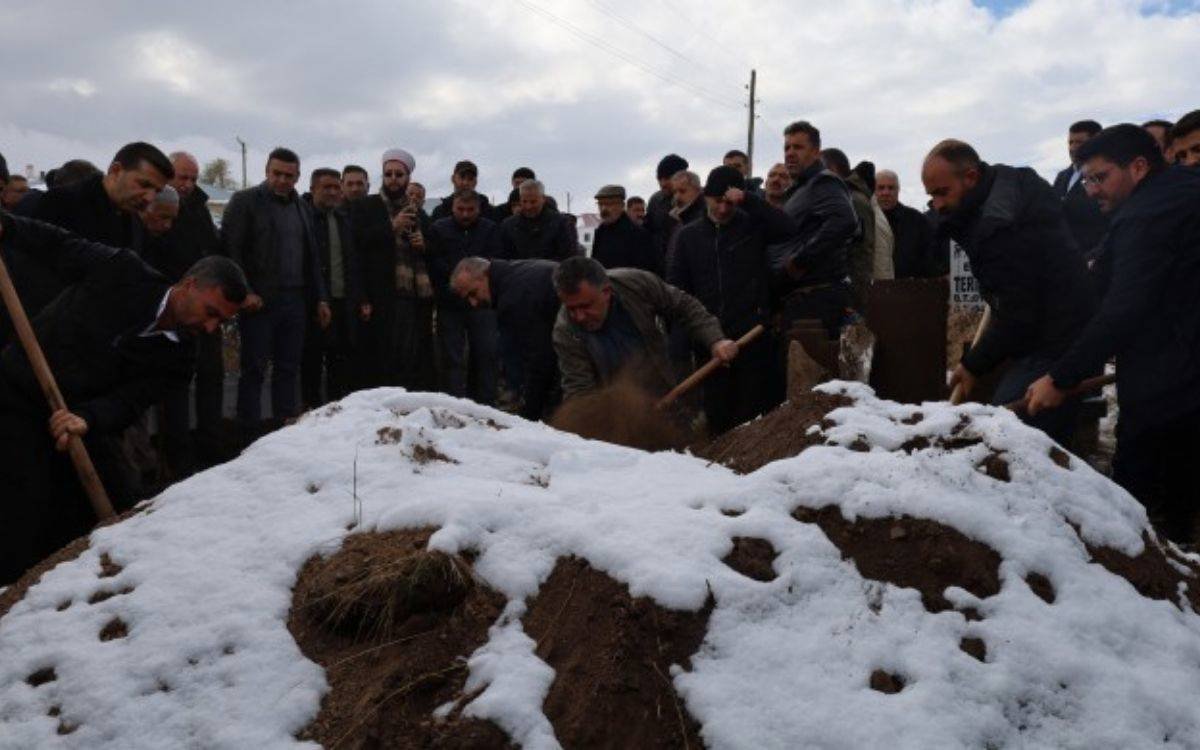
8 November: Ill prisoner Tuncer Sağlam died on 7 November after transfer from prison to hospital, while relatives alleged shortcomings in diagnosis, medical transfer and decisions concerning suspension of his sentence.
Torture and Ill-Treatment
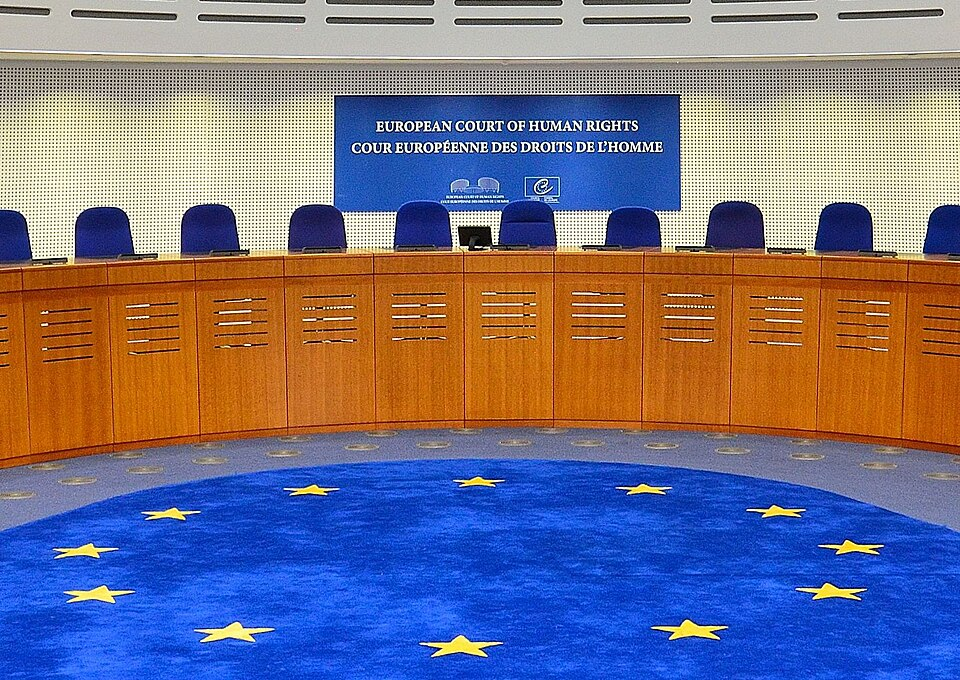
4 November: The European Court of Human Rights found that Türkiye subjected former judge Süleyman Kul and prosecutor İlhan Akıllı to degrading treatment through prolonged isolation in prison, violating Article 3 of the European Convention; the judgment was delivered on 3 November and was not yet final.
Women’s Rights
6 November: The We Will Stop Femicide Platform reported that 20 women were killed by men and 39 others died under suspicious circumstances in October, urging thorough investigation of unresolved deaths.
Gender Rights
6 November: An İzmir court remanded six trans women and one other person in custody following 3 November police raids on homes in Bornova, while five other detainees were released under judicial supervision.
+6 years of continuous work on monitoring Human rights in Turkey