

On 31 August, an 18-year-old identified as A.Y.T. took his own life at his family’s home in Kayseri. His mother and sister found him when they returned to the house.
His father (prosecutor) and mother (judge) were both judicial officers dismissed by emergency decree (KHK) following the July 15 coup attempt. His father spent two years in prison and was acquitted at the end of his trial. The case against his mother is still running.
He had won a place at Bilkent University to study economics. He was due to register on 4 September. His family say he had been preparing for it, and that things he had ordered for university arrived at the house shortly before he died. They also say he had been struggling for some time and had declined treatment.
He was eight when the decrees began. What followed was not an interruption in his childhood. It was his childhood: a father in prison for two years, a mother on trial, a household living under an accusation that a court eventually rejected in his father’s case and has still not resolved in his mother’s.
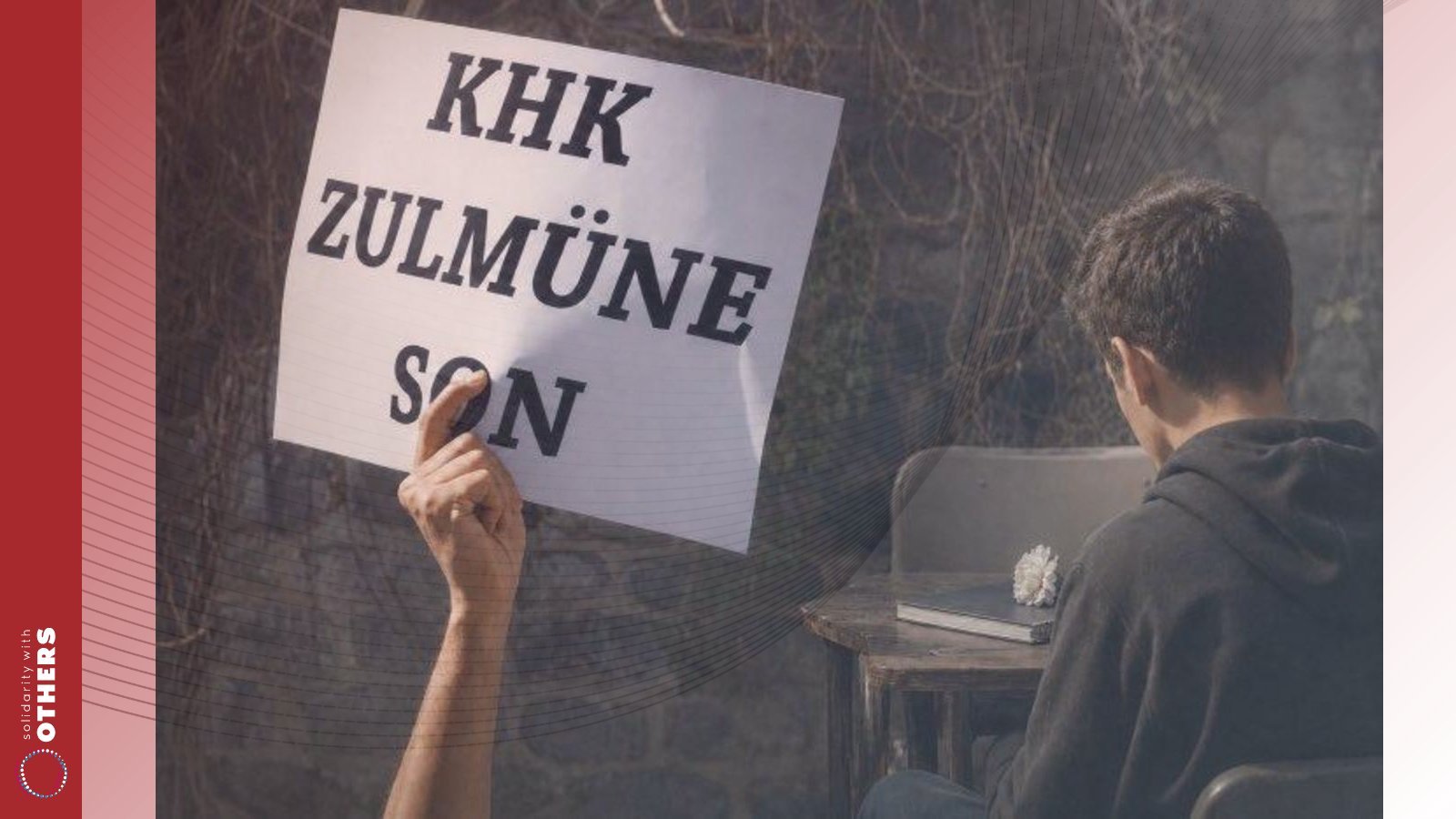
The emergency decrees dismissed judges, teachers, doctors and police officers without trial and, in most cases, without a hearing. The consequences reached everyone in the household. Children lost a parent to prison, lost the family income, lost the schools they were in, and grew up carrying an allegation they had no part in and no way to answer.
Turkey lifted the state of emergency in 2018. For families like this one, nothing was lifted. A decade on, the cases are still open, the reinstatements have not come, and the children who were small when it started are now adults who have known nothing else.