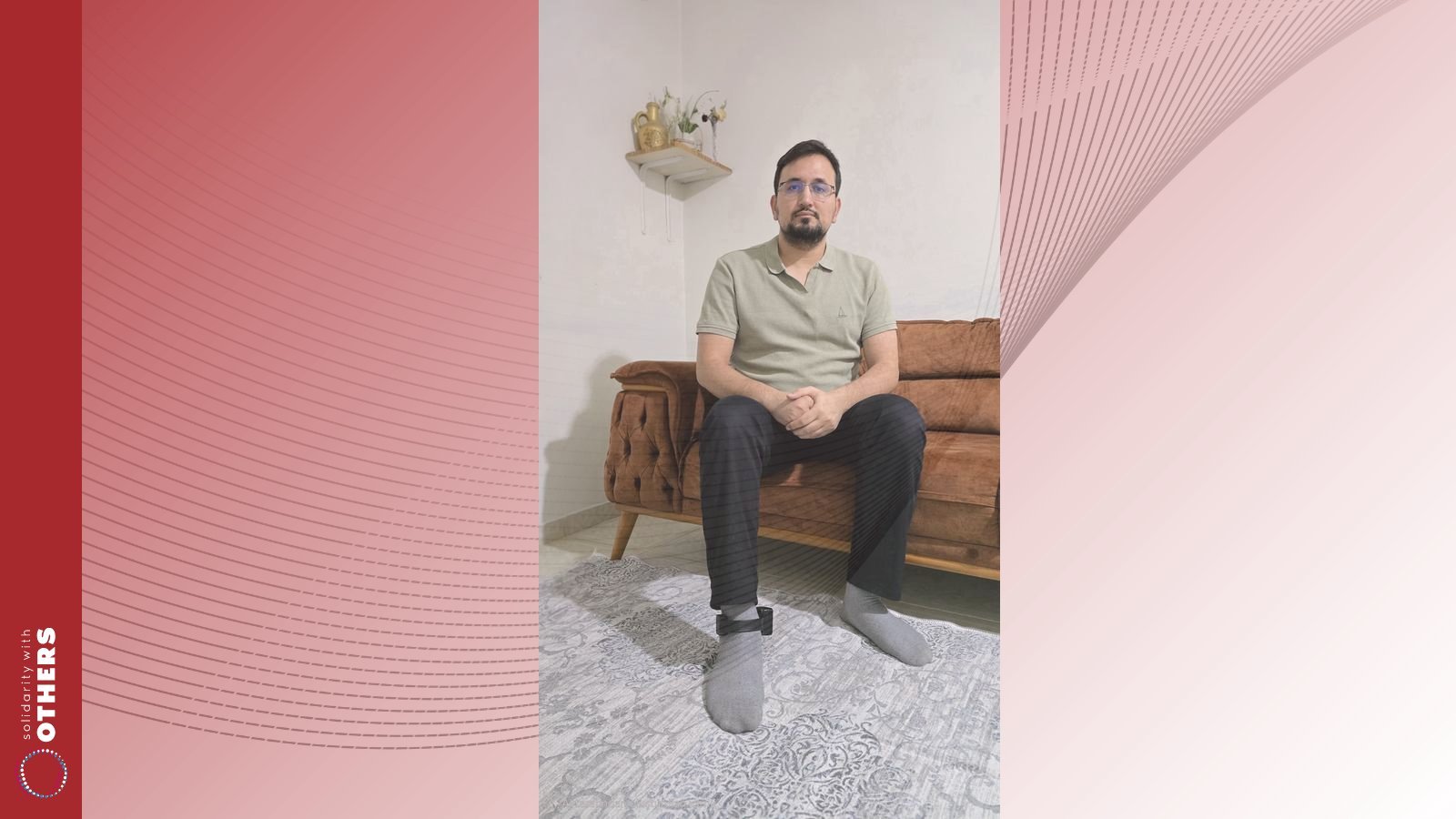


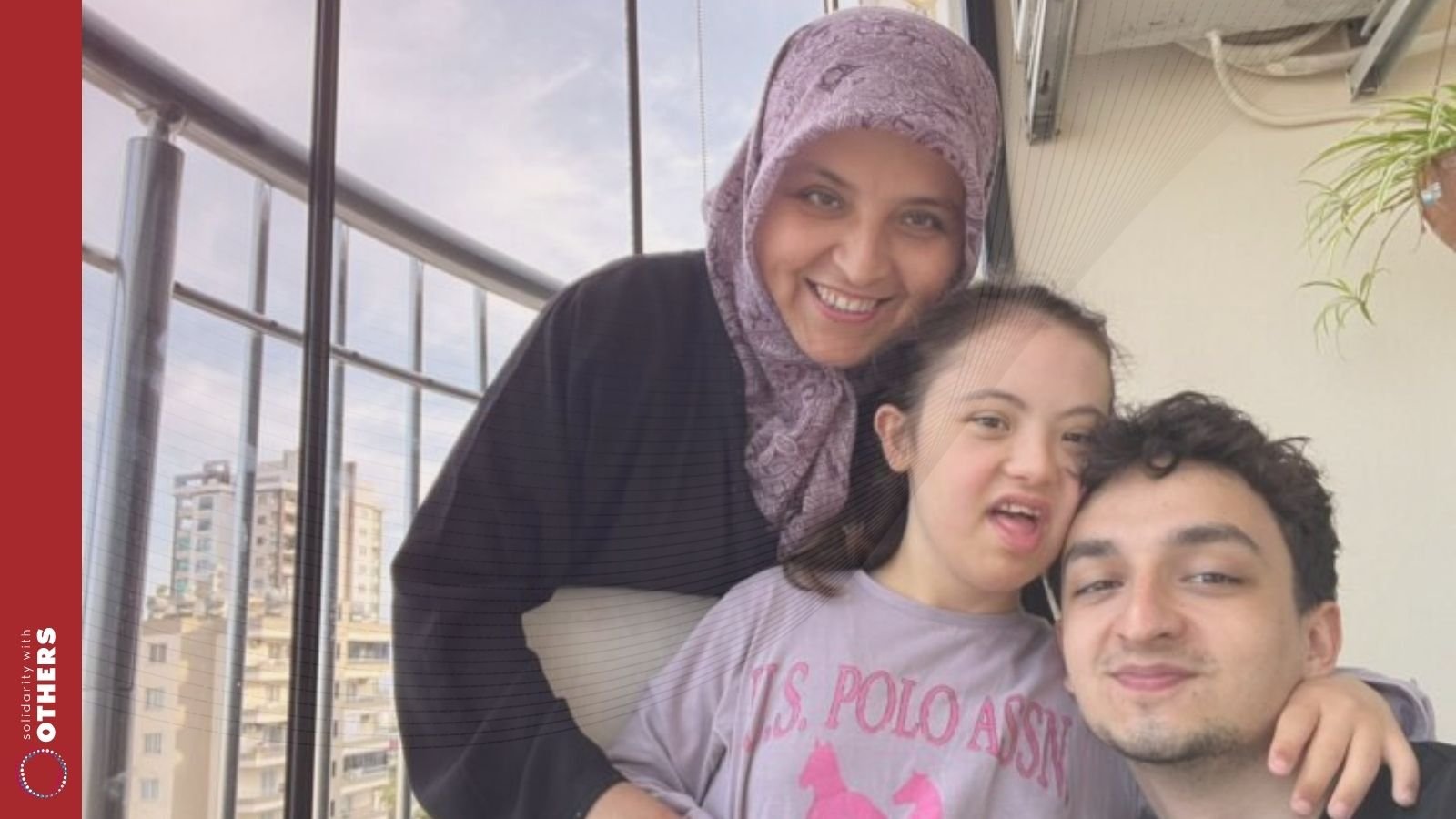
Fatma Gök is a housewife from Mersin. She was sentenced to six years and three months in Gülen-related proceedings on the strength of two witness statements saying she had been seen at an association giving religious talks and reading the Quran. She has no other alleged act against her.
In June 2023 she was released under a provision Turkish parliament passed to defer the sentences of mothers of seriously ill children. Her daughter Ayşe Asude, now 15, has Down syndrome and a congenital heart condition. She had heart surgery at six months old and has taken cardiac medication since she was four days old.
On 28 May 2026 Fatma Gök was returned to prison. Nothing in her daughter’s condition had changed. The deferral simply expired and was not renewed. She faces two more years.
DEM Party MP Ömer Faruk Gergerlioğlu, who sits on Parliament’s Commission for Research into the Problems of Disabled Individuals, put the question directly: “Did anything change in the child’s illness, or in her need for her mother? No.”
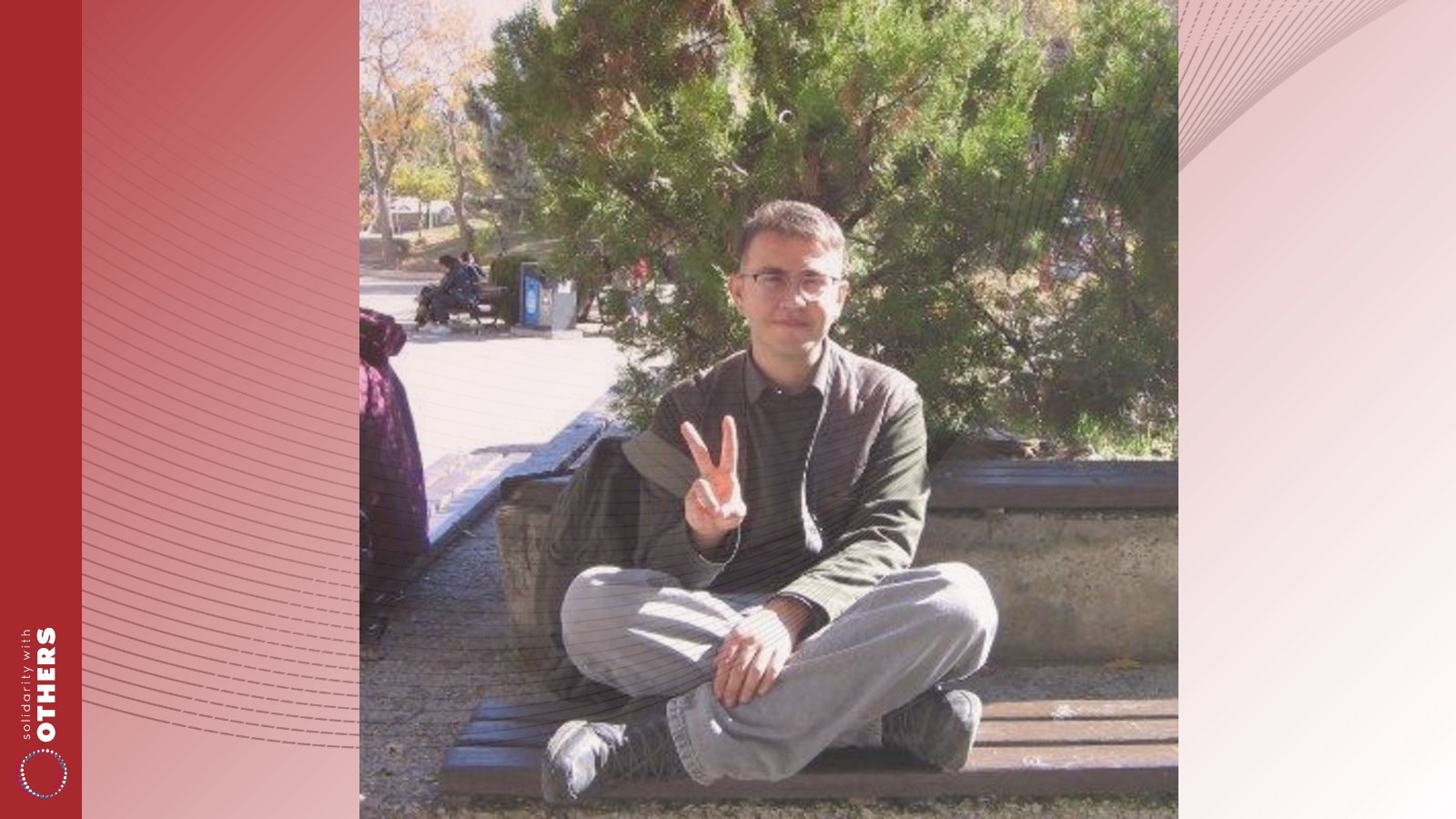
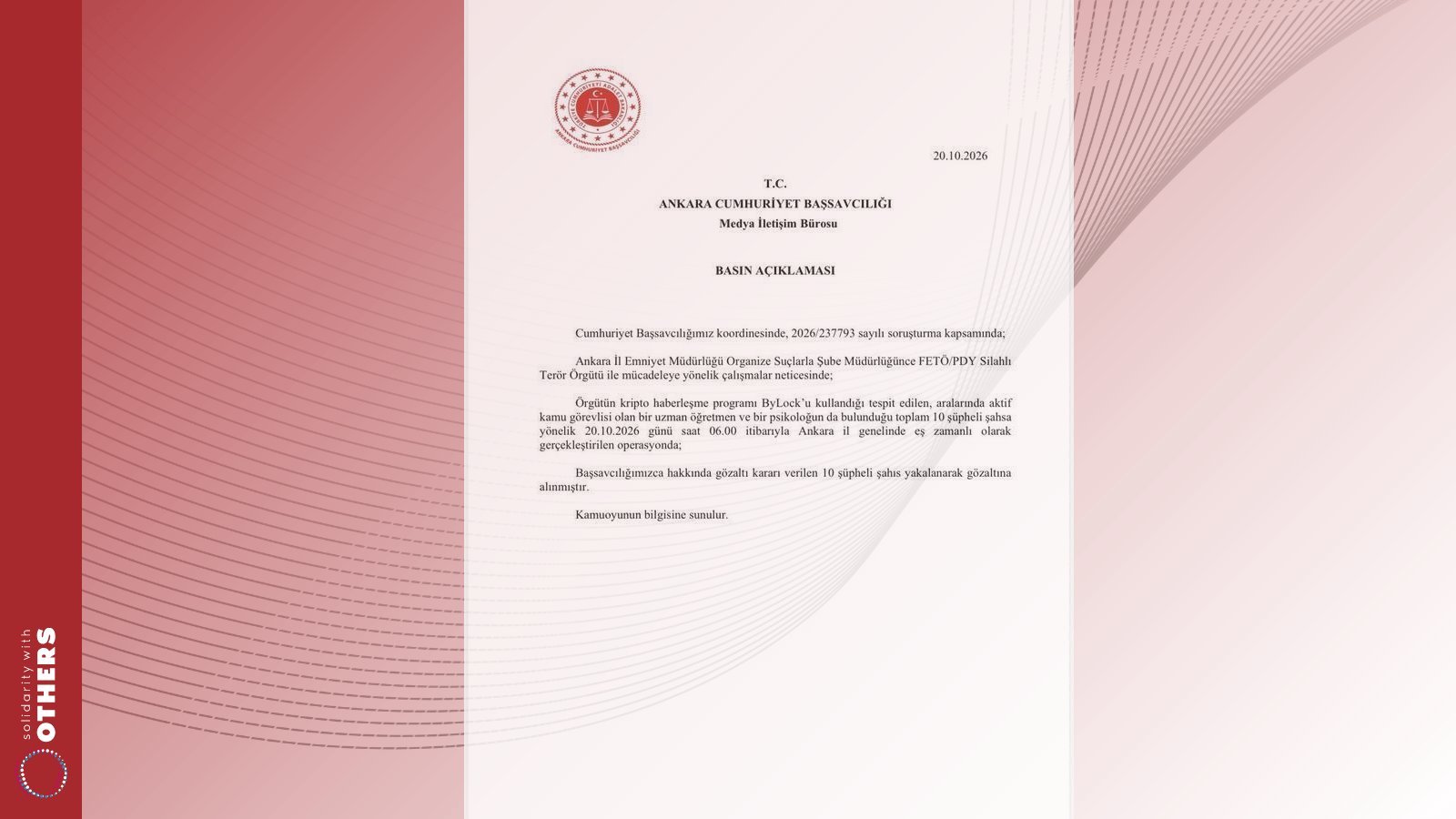
Six weeks later, on 13 July, her 21-year-old son Selim was arrested in nationwide raids marking the tenth anniversary of the coup attempt — some 704 people detained across all 81 provinces, among them teachers, doctors, academics, and people who are elderly, paralysed or disabled. He is accused of having gone to Poland to study and of sharing a flat abroad with friends. He is now held in the men’s wing of the same prison as his mother.
Ayşe Asude is outside, without either of them. Her mother reports that she repeatedly picks up a phone to look at photographs of her.
Studying in an EU member state is being treated as an element of terrorism. A law written for children like Ayşe Asude is being allowed to lapse without review.
Sources:
https://x.com/gergerliogluof/status/2087891131119849695?s=20
https://www.tr724.com/down-sendromlu-ayse-asude-tahliye-olan-annesine-kavustu/
https://www.tr724.com/annesi-tutuklanmisti-down-sendromlu-ayse-asude-hayata-kustu/
Legal note
Under Article 3(1) of the Convention on the Rights of the Child, the best interests of the child must be a primary consideration in decisions affecting children, including where a parent’s imprisonment results in separation. Article 9 protects children against unjustified separation from their parents, while Article 23 requires specific protection and support for children with disabilities.
The Convention on the Rights of Persons with Disabilities reinforces this obligation: Article 7(2) requires the best interests of a child with a disability to be a primary consideration in all actions concerning them.
The Turkish provision under which Fatma Gök’s sentence was deferred imposes a maximum three-year deferral, even where the child’s serious illness, disability and dependence on her primary caregiver continue unchanged.
Turkey ratified the CRC in 1995 and the CRPD in 2009.