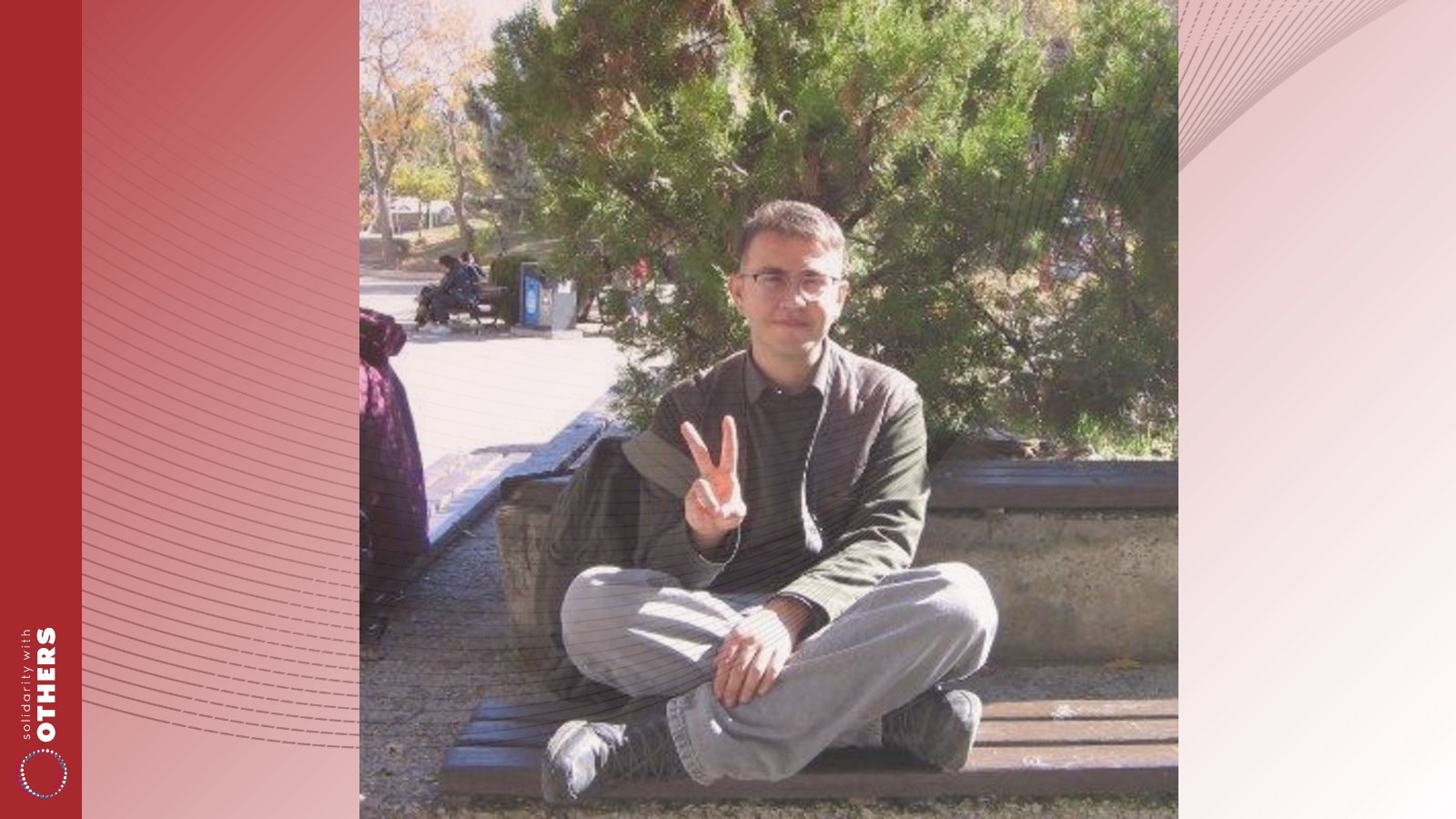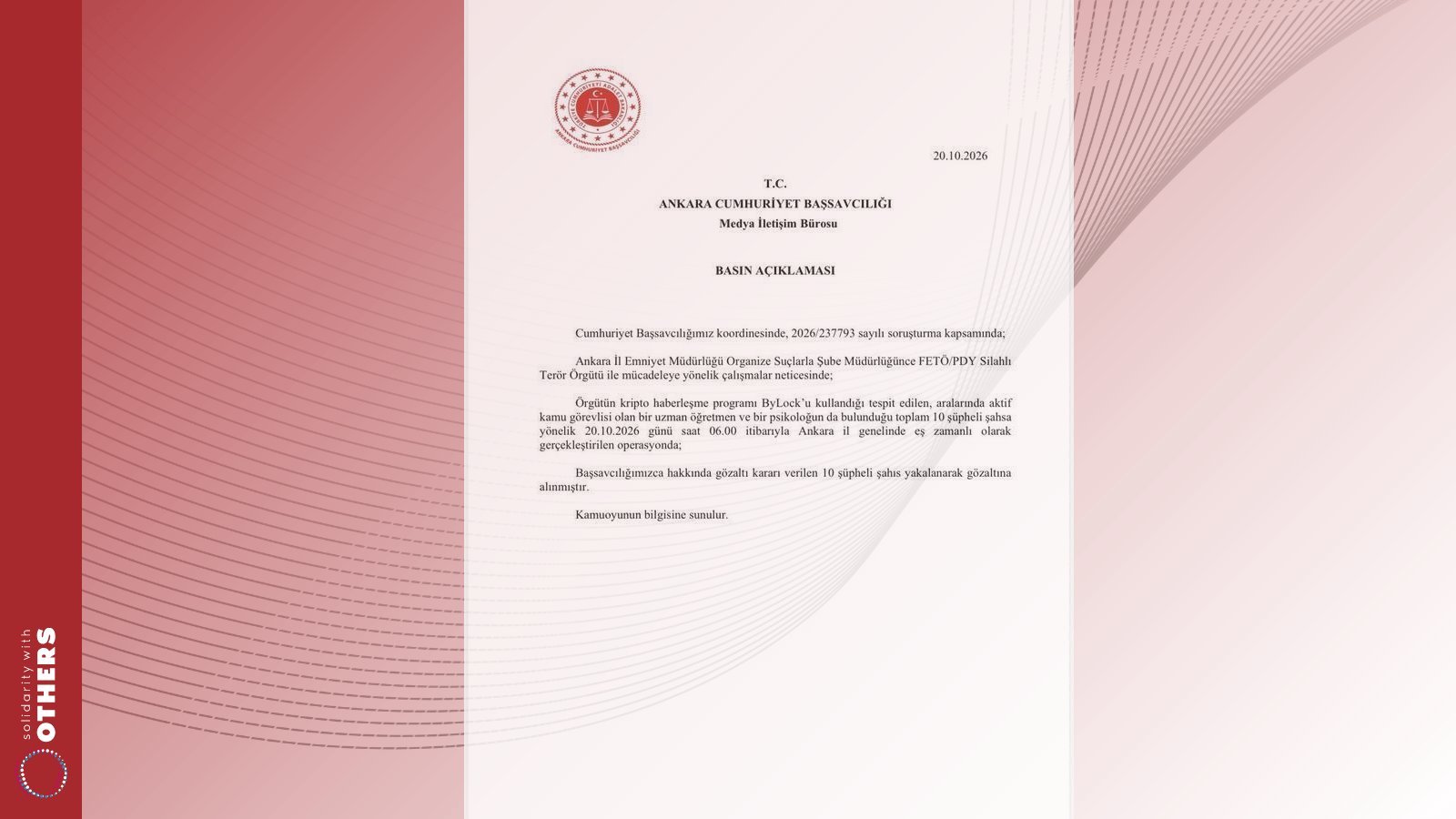



On 25 August the Grand Chamber ruled in Kavala v. Türkiye (No. 2) (no. 2170/24). By 15 votes to 2, it found violations of six Convention provisions: Articles 3, 5, 6, 10, 11 and 18. It held that Kavala’s conviction resulted from a flagrant denial of justice, that the measures against him pursued the ulterior purpose of silencing him, and that his aggravated life sentence — with no prospect of release or review — amounts to inhuman and degrading treatment.
The Court ordered Turkey to release him at the earliest possible date and to eliminate the consequences of his conviction. It found the case illustrates a systemic problem, situated in a wider pattern of detaining and prosecuting political opponents, human rights defenders and journalists under criminal provisions interpreted expansively.
Osman Kavala has been deprived of his liberty without interruption since 18 October 2017. As of today, that is 3,226 days.
Strasbourg first ordered his release in December 2019. In July 2022, after infringement proceedings — only the second time in the Convention’s history — the Court found Turkey had failed to comply. This is the third order.
The response from the Presidency was not compliance. Mehmet Uçum, Chief Advisor to the President and Deputy Chair of the Presidency’s Legal Policies Board, posted that the ECtHR and the European Parliament’s Türkiye rapporteur should “know their place.” He called the judgment a political project, said the ECtHR is not a superior court over Turkish courts, and stated that the power to comply with a violation finding rests with national courts. He added that Turkey may be forced to reconsider its status as a party to the Convention and the right of individual application.
Grand Chamber judgments are final. Under Article 46 ECHR, compliance is a legal obligation, not a matter of judicial discretion.
Sources:
Court press release: https://hudoc.echr.coe.int/app/conversion/pdf/?library=ECHR&id=003-8614878-12265396
Human Rights Watch: https://www.hrw.org/news/2026/08/25/turkiye-european-court-orders-rights-defenders-immediate-release
https://x.com/mehmetucum/status/2092300111963627875?s=20
https://www.diken.com.tr/osman-kavala-3-bin-226-gundur-hapiste/
Legal note
Under Article 46(1) ECHR, states undertake to abide by final judgments. This is not optional and it is not delegated to domestic courts.
Turkey is one of only two states ever subjected to infringement proceedings under Article 46(4) — the mechanism the Committee of Ministers triggers when a state refuses to execute a judgment. The first was Azerbaijan over Ilgar Mammadov. Turkey’s case was Kavala, in 2022.
Under Article 58, a state may denounce the Convention only after five years’ membership and on six months’ notice — and denunciation does not release it from obligations arising from acts committed before it takes effect.
A member state cannot select which final judgments bind it and remain within the system.