

1. Introduction
Arrest and pre-trial detention are procedural measures in criminal proceedings intended to preserve evidence and ensure the proper administration of justice. As these measures constitute a direct interference with the right to liberty, they should be applied only on an exceptional basis and remain subject to the principles of necessity and proportionality, as well as to strict procedural safeguards. Pre-trial detention may be ordered only where less intrusive measures would be insufficient and must be based on a judicial decision; where the intended objective can be achieved through alternative measures, such as judicial control, detention should not be imposed. Similarly, police custody at the investigation stage is subject to strict temporal limits, requires specific and reasoned justification, and must be accompanied by effective judicial oversight. Accordingly, the use of custody, detention, and the placement of individuals in penal institutions should be subject to continuous scrutiny in light of the rule of law, the right to a fair trial, and the obligation to respect human dignity.
In Turkey, following the attempted coup of 15 July 2016, large-scale investigations and prosecutions gave rise to serious human rights concerns regarding the application of pre-trial detention and the operation of the prison system. During this period, a significant number of individuals, in particular those alleged to be affiliated with the Gülen movement, were taken into custody and placed in pre-trial detention on charges of “membership of a terrorist organisation.” At various stages of the proceedings, concerns were documented regarding the absence of sufficiently reasoned detention decisions, extended deprivation of liberty without timely indictment, limitations in access to healthcare, and conditions of detention, raising questions as to their compatibility with domestic law and constitutional guarantees. The deprivation of liberty of pregnant women gives rise to additional concerns, as it entails foreseeable risks for both maternal and fetal health. In such cases, access to adequate prenatal and postnatal healthcare, appropriate accommodation, hygienic conditions, and necessary care arrangements requires heightened attention and safeguards.
This report examines the manner in which arrest and detention measures are applied to pregnant women and the consequences arising from deprivation of liberty, based on an analysis of individual cases. It first considers the impact of deprivation of liberty during pregnancy, then reviews the applicable international standards and normative framework, followed by an examination of the relevant provisions of Turkish law. The report subsequently analyses selected cases from Turkey to identify the risks and reported human rights concerns affecting pregnant women. In doing so, it demonstrates that the use of custody or detention in respect of pregnant women is not solely a matter of criminal procedure but also engages obligations relating to the right to health and the protection of human dignity.
Research Methodology
This study examines the use of police custody and pre-trial detention measures against pregnant women in Turkey from the declaration of the State of Emergency following the attempted coup of 15 July 2016 through to 2025, from the perspective of international human rights law and the law governing the execution of sentences. The research focuses in particular on identifying and documenting practices affecting pregnant women in the context of investigations and prosecutions conducted on charges of “membership in or leadership of a terrorist organisation,” primarily concerning individuals alleged to be affiliated with the Gülen movement.
The study is not limited to an analysis of the applicable legal framework. It also assesses the extent to which practices observed in individual cases are consistent with the relevant legal and regulatory standards. In this respect, the research adopts a mixed methodological approach, combining normative legal analysis with case-based examination.
Data collection relied on three principal sources: media monitoring, open-source and document review, and social media analysis. Reports published by national and international media outlets were systematically reviewed, with a focus on verifiable information relating to pregnancy status, conditions of custody and detention, and prison-related processes. As some cases were not covered in the media, additional screening was conducted on the platform X (formerly Twitter). Information obtained through social media was, to the extent possible, cross-checked against other available sources.
It should be noted that the cases examined in this study do not represent the full number of individuals reported to have been subjected to custody or pre-trial detention during pregnancy. Throughout the period under review, it is assessed that a significant number of cases may not have been reported or identified due to factors such as a climate of fear, lack of reporting, and limitations on media access and publication.
2. The Impact of Penal Enforcement Practices on Pregnant Women
The execution of sentences in respect of women is regulated, in certain aspects, differently from that applied to men, taking into account women’s specific biological, psychological, and social characteristics. Within this framework, pregnant women are recognised as a group requiring particular protection.
Pregnancy constitutes a period of heightened vulnerability in terms of both the mother’s and the unborn child’s right to life and right to health. For this reason, specific safeguards are envisaged in the context of detention and the execution of sentences. During pregnancy, factors such as the functioning of the immune system, hormonal balance, nutrition, and sleep are critical to the health of both the mother and the fetus. In addition, pregnancy-related physiological and psychosocial changes may increase levels of anxiety and vulnerability. Conditions in closed detention facilities, including limitations in nutrition and hygiene, elevated stress levels, and potential difficulties in accessing healthcare, may further exacerbate these risks, with possible implications for both physical and mental well-being.
From an ethical and human rights perspective, the fact that an unborn child may be adversely affected in practice by measures taken against the mother raises distinct concerns. In this regard, the principle of individual criminal responsibility is of particular relevance. Under this principle, only the person responsible for an offence may be held liable, and individuals not connected to the act should not be subjected to punitive consequences. Accordingly, when applying criminal justice measures or sanctions to a pregnant woman, due consideration should be given to safeguarding the rights and interests of the unborn child and to preventing avoidable adverse effects. For these reasons, legal frameworks governing detention and the execution of sentences provide for differentiated safeguards and procedures in respect of pregnant women.
The approach adopted by the legislature in relation to women, and in particular pregnant suspects and convicted persons, may be understood as reflecting considerations of equity rather than formal equality. Applying identical rules to individuals with differing needs and vulnerabilities may, in practice, result in unequal outcomes and raise concerns under the principle of proportionality. The underlying objective is to ensure that the execution of sentences remains within humane limits while safeguarding the rights to life and health of both the mother and the unborn child. In this context, policies concerning pregnant women are shaped with reference to human rights and child rights standards, as well as broader public health considerations, with a view not only to ensuring individual justice but also to mitigating potential risks arising during the prenatal and postnatal periods.
3. International Legal Framework and Protection Standards
3.1. International Normative Framework
After many years during which the specific needs of women in detention were largely overlooked, the international community has developed regulatory frameworks addressing this issue. In the late 20th century, a number of legal standards were introduced in line with international human rights law, incorporating gender-sensitive approaches. These standards define specific obligations of protection for women deprived of liberty, particularly during sensitive periods such as pregnancy and childbirth. Key provisions relating to pregnant women include the following:
3.1.1. United Nations Rules for the Treatment of Women Prisoners and Non-Custodial Measures for Women Offenders (Bangkok Rules)
- Non-custodial measures should be preferred wherever possible for women offenders, in particular for pregnant women and women with dependent children (Rule 4).
- Instruments of restraint, such as handcuffs or chains, should not be used on women during labour, childbirth, or immediately thereafter (Rule 24).
- Disciplinary measures applied to pregnant women, women with infants, and breastfeeding mothers should take into account their health and the welfare of their children (Rule 25).
- Pregnant women and breastfeeding mothers should be provided with appropriate and specialised medical care (Rule 48).
- Custodial sentences for women offenders should be considered a measure of last resort (Rule 57).
- In the case of pregnant women and women with dependent children, non-custodial sentences should be preferred wherever possible; deprivation of liberty should be considered only in cases involving serious or violent offences and where the individual poses an ongoing risk, taking into account the best interests of the child (Rule 64).
3.1.2. United Nations Standard Minimum Rules for the Treatment of Prisoners (Nelson Mandela Rules)
- Measures involving deprivation of liberty should be applied only where strictly necessary and under appropriate conditions, particularly in respect of vulnerable groups, including pregnant women (Rule 2).
- Disciplinary isolation and the use of instruments of restraint should not be applied to pregnant women (Rules 43, 47, 48).
3.1.3. European Prison Rules
- Deprivation of liberty should be used as a measure of last resort, particularly in respect of vulnerable groups (Rule 10.3).
- Persons deprived of liberty should have access to healthcare services equivalent to those available in the community and should receive necessary medical care without discrimination (Rule 31).
- Under no circumstances should restraints, including handcuffs, be used during childbirth (Rule 34.3).
- Pregnant women should be provided with appropriate care and specific conditions of detention reflecting their needs (Rule 60.6).
- Special arrangements should be made for pregnant women, breastfeeding mothers, and women with dependent children, in particular with regard to accommodation, hygiene, healthcare, and contact with the outside world, including visits (Rule 65).
- Pregnant women should not be subjected to restraints or physical immobilisation, including being handcuffed or restrained to beds, during the pre-natal, childbirth, or post-natal periods (Rule 68).
3.1.4. Convention on the Elimination of All Forms of Discrimination against Women (CEDAW)
- Discrimination against women is defined as any distinction, exclusion, or restriction based on sex that has the purpose or effect of impairing or nullifying women’s enjoyment or exercise of rights on an equal basis with men (Article 1).
- States parties are required to take all appropriate legislative, administrative, policy, and other measures to eliminate discrimination against women (Article 2).
- The adoption of temporary special measures, including those aimed at protecting maternity, is permissible and does not constitute discrimination (Article 4).
- States parties are required to take appropriate measures to address and eliminate gender stereotypes and to promote a proper understanding of the roles of women in society (Article 5).
3.1.5. International Covenant on Civil and Political Rights (ICCPR)
- No one shall be subjected to torture or to cruel, inhuman, or degrading treatment or punishment (Article 7).
- Everyone has the right to liberty and security of person; no one shall be subjected to arbitrary arrest or detention (Article 9(1)).
- The detention of persons awaiting trial should not be the general rule (Article 9(3)).
- All persons deprived of liberty must be treated with humanity and with respect for their inherent dignity (Article 10(1)).
3.1.6. Convention Against Torture and Other Cruel, Inhuman or Degrading Treatment or Punishment (CAT)
- For the purposes of the Convention, “torture” is defined as any act by which severe physical or mental pain or suffering is intentionally inflicted on a person, in particular for purposes such as obtaining information or a confession, when such pain or suffering is inflicted by, or with the consent or acquiescence of, a public official (Article 1).
- Each State Party is required to take effective legislative, administrative, judicial, and other measures to prevent acts of torture in any territory under its jurisdiction (Article 2(1)).
- States are also required to prevent acts that do not amount to torture as defined in Article 1 but nonetheless constitute cruel, inhuman, or degrading treatment or punishment (Article 16(1)).
3.1.7. United Nations Human Rights Committee
General Comment No. 35 (2014)
- Arrest and detention are exceptional measures; deprivation of liberty cannot constitute the general rule. (Paragraph 12)
- Detention must be necessary and proportionate; its necessity must be assessed separately in each individual case. (Paragraph 15)
- States are obliged to consider alternatives to detention, such as bail, judicial supervision, house arrest, or similar measures. (Paragraph 39)
- The reasons why alternative measures are considered insufficient must be explained with concrete and individualized justifications for each person. (Paragraph 40)
- The deprivation of liberty of vulnerable persons, including pregnant women, requires special attention and stricter oversight. (Paragraph 46)
General Comment No. 28 (2000)
- States are obliged to eliminate both factual and structural inequalities that prevent women from enjoying their human rights. (Paragraph 3)
- Women’s biological and gender-specific circumstances must be taken into account in the application of the law. (Paragraph 5)
- Practices that appear neutral may nevertheless constitute discrimination if they produce disproportionate and burdensome consequences for women. (Paragraph 8)
- When assessing women’s situation within the criminal justice system, factors such as pregnancy and motherhood cannot be disregarded. (Paragraph 10)
3.1.8. European Convention on Human Rights (ECHR)
- “No one shall be subjected to torture or to inhuman or degrading treatment or punishment.” (Article 3)
- “Everyone has the right to liberty and security of person. No one shall be deprived of his or her liberty except in the following cases and in accordance with a procedure prescribed by law:
the lawful detention of a person after conviction by a competent court;
…
Everyone who has been the victim of arrest or detention in contravention of the provisions of this Article shall have an enforceable right to compensation.” (Article 5)
- “Everyone has the right to respect his or her private and family life, home and correspondence.” (Article 8)
- “The enjoyment of the rights and freedoms set forth in this Convention shall be secured without discrimination on any ground such as sex, race, colour, language, religion, political or other opinion, national or social origin, property, birth or other status.” (Article 14)
3.2. Fundamental Principles Established by International Standards
3.2.1. Detention as a Measure of Last Resort
Personal liberty is recognized as a fundamental right under international law. (International Covenant on Civil and Political Rights, Art. 9(1)). In contrast, deprivation of liberty is regarded as an exceptional measure. (UN Human Rights Committee, General Comment No. 35 (2014), para. 12)
When the individuals concerned are women, the relevant legal framework emphasizes that women constitute a vulnerable group and that their biological and gender-specific circumstances must be taken into account in the implementation of criminal justice measures. As a result, when evaluating the situation of women within the criminal justice system, factors such as pregnancy, childbirth, and motherhood must be considered. (UN Human Rights Committee, General Comment No. 28 (2000), paras. 5, 10)
As can be seen from the international guiding regulations discussed above, detention of pregnant women should be considered a measure of last resort, and alternative measures should be prioritized whenever possible. (Bangkok Rules, Rules 4 and 64; European Prison Rules, Rule 10.3)
Detention and custody cannot constitute the general rule (ICCPR, Art. 9(3)); rather, the criteria of necessity and proportionality must be assessed in each individual case. (Nelson Mandela Rules, Rule 2; UN Human Rights Committee, General Comment No. 35 (2014), para. 15)
These provisions clearly state that, in the enforcement of sentences involving vulnerable groups including pregnant women—deprivation of liberty should be applied only when strictly necessary. (UN Human Rights Committee, General Comment No. 35 (2014), para. 46)
In such cases, the evaluation must consider the psychological condition of the woman, the best interests of the unborn child, the likelihood of childbirth, and the woman’s physical health within a human rights framework.
For detainees and convicted persons belonging to this vulnerable group, international standards impose an obligation on states to consider alternatives to detention—such as bail, judicial supervision, or house arrest—as a priority. (UN Human Rights Committee, General Comment No. 35 (2014), paras. 39–40)
3.2.2. Prohibition of Restraints and Solitary Confinement
International regulations address the use of restraints and solitary confinement specifically in relation to pregnant women. It is clearly stated that pregnant women in detention must not be subjected to restraints such as chains or similar restrictive devices before, during, or immediately after childbirth. Under no circumstances may women be restrained to a bed during the process of childbirth. (Bangkok Rules, Rule 24; European Prison Rules, Rules 34.3 and 68) In addition, pregnant women must not be subjected to strict cell confinement or disciplinary isolation. Due to the sensitive nature of their condition, additional safeguards have been established for women in such circumstances. (Nelson Mandela Rules, Rules 43, 47, 48; Bangkok Rules, Rule 22)
The use of restraints or the practice of binding a person to a bed constitutes an extremely intrusive and degrading practice in terms of physical integrity and human dignity. The provisions designed to protect pregnant women regard the use of such restrictive devices as potentially falling within the prohibition of inhuman or degrading treatment. Everyone deprived of liberty has the right to be treated with respect for human dignity. (ECHR, Art. 3; ICCPR, Art. 10(1)) The European Court of Human Rights has held that the use of restraints on persons deprived of liberty may amount to degrading treatment under Article 3 of the European Convention on Human Rights unless it is justified by concrete security needs and the insufficiency of less restrictive measures is clearly demonstrated. Taking into account the physical and psychological vulnerability of pregnant women, the Court applies a “strict necessity” test to physical restraints used during situations such as hospital transfers or childbirth. Routine or automatic use of handcuffs has been found incompatible with human dignity. (Korneykova and Korneykov v. Ukraine, Application No. 56660/12, Judgment of 24 March 2016) Accordingly, the above provisions must be regarded as binding standards within the human rights framework. Therefore, detaining pregnant women or mothers with children in overcrowded wards lacking adequate accommodation—where they may not even have their own beds and may be forced to sleep on the floor, or where living conditions exceed the capacity of the ward constitutes treatment that undermines human dignity. Such conditions are incompatible with international standards.
3.2.3. Access to Healthcare and Special Protection Obligations
International human rights law establishes that individuals deprived of their liberty must have access to healthcare services equivalent to those available in the community and that this access must be provided without discrimination. (European Prison Rules, Rule 31)
In the case of pregnant women, this obligation becomes even more critical. Pregnancy requires regular medical monitoring, access to qualified healthcare personnel, and appropriate medical interventions when necessary. Therefore, pregnant women in detention must be provided with adequate prenatal and postnatal healthcare services.
Within this framework, international standards clearly stipulate that pregnant women must have regular access to gynecological examinations, necessary medical tests, and appropriate treatment. In addition, nutritional needs specific to pregnancy must be taken into account, and pregnant women must be provided with sufficient and balanced food.
Similarly, hygienic conditions must be arranged in a manner appropriate to pregnancy, and women must be ensured access to clean water, sanitary materials, and suitable living conditions. The failure to meet these conditions may pose serious risks to both maternal and fetal health.
The Bangkok Rules explicitly require that special medical care be provided for pregnant women and breastfeeding mothers. (Rule 48)
Furthermore, the process of childbirth must take place in appropriate medical institutions, under the supervision of qualified healthcare professionals. Women must not give birth in prison conditions, and necessary precautions must be taken to ensure that childbirth occurs in a safe and dignified environment.
In this context, failure to ensure access to healthcare services or delays in medical intervention may constitute violations of the prohibition of inhuman or degrading treatment under international human rights law.
3.2.4. Protection of the mother–child Relationship and the Best Interests of the Child
International human rights law recognizes the protection of family life and the best interests of the child as fundamental principles. (ECHR, Art. 8)
In the case of pregnant women, the impact of detention measures extends not only to the woman herself but also directly to the unborn child. Therefore, the best interests of the child must be taken into account in all decisions concerning pregnant women.
The Bangkok Rules emphasize that, in decisions concerning women with dependent children, the best interests of the child must be a primary consideration. (Rule 64)
In this regard, the detention of pregnant women should be assessed not only from the perspective of criminal procedure but also in light of children’s rights. The potential physical and psychological effects on the child must be carefully evaluated.
Following childbirth, the continuation of the mother–child relationship is also of critical importance. International standards underline that arrangements must be made to allow mothers to maintain contact with their children and, where appropriate, to care for them.
However, the continuation of this relationship must always be evaluated in light of the best interests of the child. Prison conditions, overcrowding, lack of hygiene, and insufficient healthcare services may negatively affect the child’s development.
For this reason, international standards encourage the use of non-custodial measures, particularly for pregnant women and mothers with young children. The aim is to minimize the harmful effects of deprivation of liberty on children and to protect family unity.
3.2.5. Prohibition of Discrimination
The prohibition of discrimination is one of the fundamental principles of international human rights law. According to this principle, all individuals must benefit from rights and freedoms without discrimination on any ground such as sex, pregnancy, or other status. (ECHR, Art. 14; CEDAW, Art. 1)
In this context, women must not be subjected to discrimination, either directly or indirectly, due to pregnancy. Practices that appear neutral may nevertheless result in discriminatory outcomes if they impose disproportionate burdens on pregnant women. (UN Human Rights Committee, General Comment No. 28, para. 8)
International standards emphasize that the biological and gender-specific characteristics of women must be taken into account in the implementation of laws and practices. Failure to consider these differences may lead to de facto inequality.
Accordingly, the situation of pregnant women within the criminal justice system must be evaluated not only within the framework of formal equality but also in terms of substantive equality.
In this regard, the failure to adopt special measures for pregnant women, or the application of general measures without taking into account their specific needs, may constitute a violation of the prohibition of discrimination.
The Convention on the Elimination of All Forms of Discrimination against Women (CEDAW) explicitly recognizes that measures aimed at protecting maternity shall not be considered discriminatory. (Art. 4)
Therefore, special arrangements concerning pregnant women should be understood as a requirement of equality, rather than as an exception to it.
4. Execution Regulations Concerning Pregnant Women under Turkish Law
Turkish law provides for a comprehensive framework of protection for pregnant and breastfeeding women, extending from the investigation stage through to the execution of sentences. This framework is grounded in the principles of proportionality, mandatory postponement of the execution of sentences in certain circumstances, and the protection of the mother–child relationship.
The protective regime is not limited to the execution phase; rather, it operates as a multi-layered system encompassing investigation, prosecution, and enforcement stages. When considered as a whole, the legislative framework indicates that decisions involving the deprivation of liberty of pregnant and breastfeeding women should be treated as exceptional and assessed on a case-by-case basis, taking into account both the individual circumstances and the best interests of the child.
At the normative level, Turkish law therefore establishes a set of specific and binding safeguards aimed at ensuring enhanced protection for pregnant women within the criminal justice system.
4.1. Constitutional Framework and Fundamental Rights Guarantees
4.1.1. Protection of Material and Moral Integrity of the Person (Art. 17)
Article 17 of the Constitution of the Republic of Turkey provides that everyone has the right to protect and develop their material and moral existence, and prohibits torture and treatment incompatible with human dignity.
The conditions to which pregnant women are subjected during custody or detention processes do not merely constitute a restriction of physical liberty; they also have direct effects on bodily integrity, psychological balance, and the health of the unborn child.
For this reason, any measure involving deprivation of liberty during pregnancy must be assessed through a narrow interpretation centred on human dignity.
The handcuffing of a pregnant woman, lack of access to adequate healthcare services, or detention in unsuitable accommodation conditions may, within the scope of Article 17, constitute matters subject to constitutional review.
4.1.2. Right to Liberty and Security of the Person (Art. 19)
Article 19 of the Constitution guarantees the right to liberty and security of the person and regulates deprivation of liberty as an exceptional intervention.
Measures such as arrest and detention may only be applied under the conditions prescribed by law and in accordance with the principle of proportionality.
Where a serious and sensitive personal condition such as pregnancy is concerned, the necessity of restricting liberty must be subject to stricter constitutional scrutiny.
In this context, resorting to detention despite the availability of alternative measures would result in a violation of the principle of proportionality under Article 19.
4.1.3. Principle of Equality and Positive Obligations (Art. 10)
The principle of equality regulated under Article 10 of the Constitution encompasses not only formal equality but also substantive equality.
Special measures aimed at protecting women and children do not constitute a violation of the principle of equality.
Within this framework, the failure to take into account the biological and health-related specific conditions of pregnant women may result in indirect discrimination where seemingly neutral practices produce disproportionate effects in practice.
The obligation of the State to develop special protective measures for pregnant women in situations involving deprivation of liberty constitutes a constitutional duty.
4.1.4. Protection of the Family and the Best Interests of the Child (Art. 41)
Article 41 of the Constitution imposes on the State a positive obligation to protect the family and to ensure the best interests of the child.
The detention of a pregnant woman must be assessed not only in terms of individual liberty, but also in relation to the unborn child’s right to life, healthy development, and the establishment of a bond with the mother.
For this reason, measures involving deprivation of liberty must be implemented by taking into account the best interests of the child and their impact on family unity.
4.1.5. Right to Health (Art. 56)
Article 56 of the Constitution provides that everyone has the right to live in a healthy and balanced environment and imposes on the State the obligation to plan and provide healthcare services.
Pregnancy and childbirth are periods that require special medical supervision and regular healthcare services.
Failure to ensure access to adequate healthcare in custody or detention conditions, the lack of proper monitoring of high-risk pregnancies, or the failure to provide necessary medical conditions during childbirth constitute not merely an issue of execution law, but a direct violation of the constitutional right to health.
4.2. Protection Mechanisms during the Investigation and Prosecution Phases
4.2.1. Principle of Proportionality in Detention Measures (Code of Criminal Procedure, Art. 100)
Under the Code of Criminal Procedure (CMK), detention is not a punishment, but a temporary protective measure aimed at ensuring the proper conduct of proceedings.
Pursuant to Article 100 CMK, a detention order may be issued only if:
- There is strong suspicion of the commission of a crime,
- At least one of the grounds for detention exists (such as risk of flight or tampering with evidence),
- The measure is proportionate.
Pregnancy and the postpartum period are personal conditions that must necessarily be taken into account in the assessment of proportionality.
The principle of proportionality includes the sub-principles of suitability, necessity, and proportionality in the strict sense.
In this context, the detention of a pregnant woman is only possible where it is concretely demonstrated that the aim of the proceedings cannot be achieved through a less restrictive measure.
Therefore, detention must be considered a measure of last resort.
In judicial practice, pregnancy is recognized as a strong personal circumstance requiring the preference of alternative measures over detention, particularly in cases where the risk of flight is low and the evidence has largely been collected.
4.2.2. Judicial Control Measures (Code of Criminal Procedure, Art. 109)
Article 109 CMK regulates judicial control measures that may be applied as alternatives to detention.
This provision is of particular importance for pregnant women and women who have recently given birth.
The main measures that may be applied include:
- Prohibition on leaving the residence (house arrest),
- Electronic monitoring,
- Travel ban (prohibition on leaving the country),
- Obligation to report/sign at regular intervals,
- Provision of a financial guarantee (bail).
These measures ensure the proper conduct of proceedings while also allowing pregnancy and postnatal care to be maintained in a home environment.
Particularly during advanced stages of pregnancy or in the first months after childbirth, the measure of house arrest provides a balanced solution in terms of both public order and the health of the mother and child.
4.2.3. Procedural Safeguards in the Process of Apprehension and Custody
Under the Regulation on Apprehension, Custody and Taking of Statements, it is mandatory to immediately determine the health condition of persons taken into custody.
The pregnancy status of women must be identified through medical examination and duly recorded.
At this stage, two main safeguards stand out:
Medical Examination
Women taken into custody must immediately undergo a medical examination. If pregnancy is identified, necessary medical measures must be taken, and in cases of risk, referral to a hospital must be ensured. This obligation falls within the scope of the administration’s positive responsibility. (Art. 9)
Proportionality in the Use of Handcuffs:
The use of handcuffs is a security measure that may only be applied in cases of necessity. Particularly in the advanced stages of pregnancy, the use of handcuffs constitutes a violation of the principle of proportionality and amounts to a breach of human dignity.
The case-law of the European Court of Human Rights also establishes that physical restraints imposed on pregnant women must be subject to a strict necessity test. (Art. 7)
4.3. Mandatory Postponement and Special Regulations in Enforcement Law
4.3.1 Article 16/4 of Law No. 5275 on the Execution of Penalties: Mandatory Postponement of Execution
Article 16 of Law No. 5275 on the Execution of Penalties and Security Measures contains a mandatory provision with regard to pregnant women and women who have recently given birth.
Pursuant to Article 16/4:
- Women who are pregnant,
- Women for whom 1 year and 6 months (18 months) have not elapsed since the date of childbirth,
shall have the execution of their prison sentences postponed.
This regulation does not grant broad discretionary power to the administration. Postponement is the rule, while exceptions are regulated in a limited manner.
In cases where the child dies or the mother leaves the child to another person, the execution of the sentence may be initiated after two months from the date of birth.
The main purpose of this provision is to ensure that the mother completes her postnatal recovery period and that the child is not deprived of maternal care during the early stage of life.
4.3.1. Postponement on Health Grounds (Art. 16/2)
Article 16/2 of Law No. 5275 regulates the postponement of execution in cases where the convicted person suffers from a serious illness that renders them unable to maintain their life independently.
Risky or complicated pregnancies should be evaluated within this scope, provided that they are documented by an appropriate medical board report.
This provision becomes particularly applicable in cases of high-risk pregnancies or where the life of the mother is at risk.
Thus, both the mother’s right to life and the health of the unborn child are protected.
4.3.2. Application in Respect of Detainees (Art. 116)
Article 116 of Law No. 5275 provides that certain provisions concerning execution may also be applied to detainees.
This provision constitutes the legal basis for interpretations suggesting that the postponement rules set out in Article 16 may be applied by analogy to pregnant detainees.
Although detention constitutes a legal status distinct from the execution phase, it is argued that similar principles of protection should be observed within the framework of human dignity and the right to health.
4.4. Prison Administration and Mother–Child Unity
4.4.1. Regulation on the Administration of Penal Institutions
The Regulation on the Administration of Penal Institutions and the Execution of Penalties and Security Measures includes specific provisions concerning pregnant and breastfeeding women.
Accommodation Conditions
Pursuant to the Regulation, female prisoners are held in separate sections so as not to be mixed with the general prison population. In particular, the living spaces of women who are pregnant or in the postnatal period are arranged in accordance with the stages of pregnancy.
These areas must meet the necessary standards in terms of hygiene, physical safety, and medical supervision. The prison administration is obliged to ensure basic living conditions such as regular cleaning and ventilation, as well as to guarantee that emergency medical intervention is accessible at all times.
In addition, regular access to routine medical examinations is of critical importance for monitoring the mother’s health and for the early detection of possible complications during childbirth.
Childbirth Process
With regard to the childbirth process, the Regulation requires that the mother give birth in a fully equipped hospital and provides for regular medical check-ups both before and after childbirth.
Periodic monitoring throughout pregnancy enables the health condition of both the mother and the unborn child to be followed.
In cases of high-risk pregnancies or potential complications, female prisoners must be admitted to hospital and provided with special care.
Following childbirth, postpartum health is closely monitored, breastfeeding is supported, and healthcare services are provided in accordance with the needs of the mother.
These regulations are designed not only to protect the mother’s fundamental health rights but also to safeguard the unborn child’s right to life and right to care.
Nutrition and Health Rights
The Regulation provides pregnant and breastfeeding women with nutrition exceeding the standard prison ration.
- A special dietary program is implemented,
- Vitamin and mineral supplements are provided,
- Food supporting the breastfeeding process is supplied.
These obligations fall within the scope of the administration’s positive obligations.
Children Aged 0–6 Staying with Their Mothers
Under the Turkish enforcement system, children aged 0–6 may stay with their mothers.
Children are not considered to have the status of prisoners; rather, they are recognized as separate rights-holders.
The fundamental principle underlying this regulation is the best interests of the child.
Within the institution, the following are mandatory:
- Establishment of nurseries and play areas,
- Monitoring of the child’s health,
- Provision of hygiene and care materials.
Probation and Home-Based Execution
Probation enables pregnant women to continue their lives outside penal institutions in a manner that does not disrupt their health and care needs.
Particularly during the advanced stages of pregnancy or in high-risk prenatal periods:
- Regular access to hospital check-ups is ensured,
- Pregnancy monitoring is maintained without interruption,
- The psychological and physical burdens of pregnancy are minimized.
This practice ensures that execution is carried out in a manner compatible with individual rights and health requirements and guarantees the mother’s safety prior to childbirth.
For pregnant women, home-based execution serves as a mechanism to prevent the stress, health risks, and postnatal care difficulties associated with remaining in prison.
In this way:
- The woman can continue preparations for childbirth in a home environment,
- She can establish a bond with her child during the postnatal care period,
- Access to family support strengthens psychosocial support mechanisms.
Home-based execution safeguards both the health and safety of the mother and the unborn child and brings the humanitarian dimension of execution to the forefront.
For pregnant women, probation and home-based execution function as protective mechanisms not only within the scope of penal enforcement but also in terms of health and family unity.
Within this framework, women are exempted from the obligation to perform public service work during pregnancy and the postnatal period in order to protect their physical and psychological health. Thus, the recovery process is not interrupted, and opportunities for breastfeeding and childcare are secured.
At the same time, these alternative execution measures prevent the separation of mother and child, contribute to the preservation of family bonds, and enable the reintegration of women into society in a manner appropriate to the conditions of pregnancy and childbirth.
5. Human Rights Violations Against Pregnant Women in Turkish Prisons (2016–2025)
5.1. Systematic Problems
Detention of pregnant women is defined as an exceptional measure subject to strict limitations under both national and international law. While the Turkish Penal Code and the Code of Criminal Procedure stipulate that detention should be applied as a measure of last resort, United Nations and Council of Europe standards emphasize that the deprivation of liberty of pregnant women and mothers with children should only be possible in cases of absolute necessity.
Although these regulations provide a strong legal framework in theory, reports by national and international civil society organizations indicate that, in practice—particularly in recent years—the measure of detention has at times been applied to pregnant women in a systematic manner.
This situation demonstrates a serious discrepancy between the legal framework and practice and indicates that normative safeguards are not being effectively implemented.
International monitoring mechanisms, particularly the report published by the Office of the United Nations High Commissioner for Human Rights (OHCHR), have shown that, in the context of the state of emergency period, detention practices in Turkey significantly deviated from international standards. As of December 2017, approximately 100 pregnant or newly postpartum women were reported to be detained, and at least 50 cases of detention occurring close to pregnancy or childbirth were documented, indicating the continuation of detention practices during pregnancy and the postnatal period (OHCHR 2018).[1]
More recent civil society data indicate that there are more than 10,000 female prisoners in Turkey, and that over 800 young children are living in prison with their mothers, demonstrating that the deprivation of liberty of pregnant and childbearing women is not limited to isolated cases.[2]
International human rights organizations, particularly Human Rights Watch and Amnesty International, have emphasized that detention practices in Turkey are not always implemented in accordance with the principles of necessity and proportionality;[3] similarly, the Council of Europe has drawn attention to the specific protection needs of women in prisons.[4]
In addition, independent civil society reports clearly reveal the scope of detention practices affecting women and children in Turkey. The 2025 report titled Our Report to the OSCE documents that pregnant women, newly postpartum mothers, and children under the age of six were directly affected during mass detentions, and that there are serious deficiencies in access to medical services.[5]
National monitoring reports also support this picture. As of 2024, at least 26,634 human rights violations have been identified in Turkish prisons, a significant portion of which affect female prisoners. For example, reports prepared by the Human Rights Association (İHD), as well as cases brought to public attention by lawyers and members of parliament, indicate that pregnant women have been detained despite legal protections and that domestic legal safeguards are not effectively implemented.[6]
Moreover, daily reports by organizations such as the Human Rights Foundation of Turkey include cases of police violence against a pregnant woman during custody and its serious consequences related to childbirth.[7]
Furthermore, recent assessments by legal organizations such as the Istanbul Bar Association have revealed that necessary hygiene, medical care, and childbirth conditions are not systematically provided for women in prisons.
All these findings demonstrate that the detention conditions of pregnant women lead to serious human rights violations not only in theory but also in practice.
Taken together, these data clearly show that the detention of pregnant women is not limited to isolated cases but constitutes a widespread and systematic human rights issue. When these findings are evaluated collectively, it becomes evident that there is a significant gap between internationally recognized legal norms and their implementation in practice, and that the deprivation of liberty of pregnant women in Turkey is not limited to rare exceptions but has become a more widespread practice.
5.2. Cases
2016
1- Serap Erdem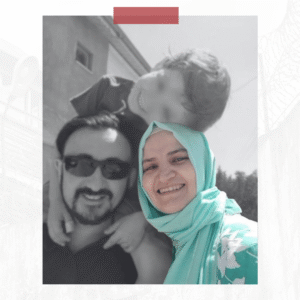
Serap Erdem was arrested on 9 September 2016 in İzmir while she was 7 months pregnant and was sent to İzmir Şakran Women’s Prison. An investigation was initiated against her on charges of “membership in a terrorist organization” due to her alleged employment at an institution affiliated with the Gülen movement, and she was sentenced to 7 years and 1 month of imprisonment.
Erdem spent the remainder of her pregnancy in prison and gave birth to her son in prison on 21 December 2016. After the birth, she was returned to prison together with her newborn baby, who was only one day old. She was released when her baby was 7.5 months old.
On 11 October 2022, she was detained and arrested for a second time together with her son and husband. Following a reversal decision by the Court of Cassation, she was released after a retrial on 12 March 2025.
2- Nurhayat Yıldız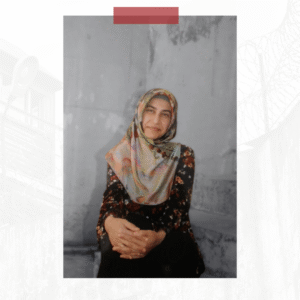
Nurhayat Yıldız was arrested on 29 August 2016 in Sinop while she was 3 months pregnant, on charges of “membership in a terrorist organization” due to her alleged affiliation with the Gülen movement.
During her time in prison, she lost her twins at 19 weeks of pregnancy; she had even learned that she was expecting twins while in prison. While pregnant, she was forced to sleep in front of the toilet and lived in inadequate conditions, sharing a ward designed for 10 people with 22 people and a baby.
After losing her babies, she went through a severe psychological process and suffered from depression for six months.
3- Semanur Kütükçü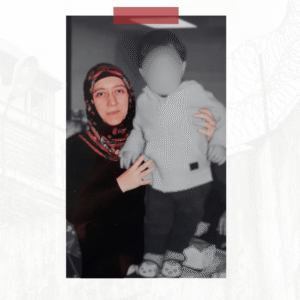
Semanur Kütükçü was taken into custody on 26 September 2016 while she was 8 months pregnant, on allegations of affiliation with the Gülen movement. She remained in custody for 9 days in Uşak and was released under judicial control measures requiring her to report twice a week.
On 17 May 2018, she was re-arrested when her baby was 16 months old. Due to the harsh prison conditions, she was forced to leave her son with her family. Her mother and sister took care of her son outside, who turned five years old.
4- Fatma Urunga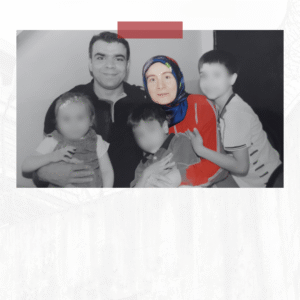
Fatma Urunga was taken into custody in 2016 while she was approximately 8.5 months pregnant. After being held overnight in detention at the Adana Police Department, she was released under judicial control.
She was later tried on charges of “membership in a terrorist organization” due to her alleged affiliation with the Gülen movement and was sentenced to 9 years of imprisonment. On 3 May 2019, she was arrested and sent to Mersin Tarsus Prison together with her daughter. At that time, her husband was also in prison.
Urunga was released in April 2020 together with her daughter.
5- Özlem Meci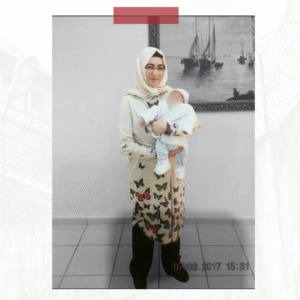
Özlem Meci was arrested on 3 November 2016 in İzmir while she was 5 months pregnant and was sent to Şakran Prison. A police operation was conducted at her home to detain her husband; however, when her husband could not be found, the judge ordered Meci’s detention and explicitly stated this in court.
Due to inadequate nutrition in prison conditions, she gave birth prematurely, and her baby was born prematurely. When the baby developed health complications, the baby was transferred to another hospital, while the mother was sent back to prison.
Meci was separated from her baby for a period of time and had to express her breast milk into the sink. Her baby was only able to meet his father when he was 9 months old.
Meci was released after one year following growing public reactions on social media. She was later acquitted in the case in which she had been tried on charges of “membership in a terrorist organization” based on alleged affiliation with the Gülen movement.
6- Huriye Acun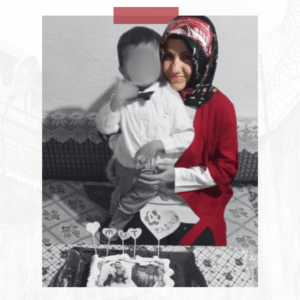
Huriye Acun was taken into custody during her first pregnancy in 2016 while she was 7 months pregnant and was released on the same day under judicial control. During the same period, her husband, Uğur Acun, was arrested and remained in prison for 53 months before being released.
Acun was tried on charges of “membership in a terrorist organization” due to her alleged affiliation with the Gülen movement and was sentenced to 9 years and 4 months of imprisonment.
During her second pregnancy, she was again taken into custody on 7 July 2021 while she was 7 months pregnant, subsequently arrested, and sent to Konya E-Type Closed Prison. At that time, she was approximately 1.5 months away from giving birth and had another 4-year-old child.
She was released two weeks before giving birth.
7- Beraat Dayanır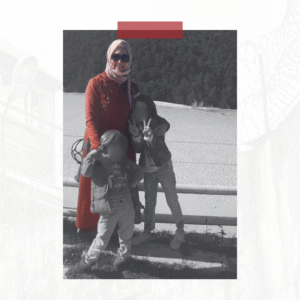
Beraat Dayanır was taken into custody on 15 December 2016 in Istanbul while she was approximately 9 months pregnant, 24 days before giving birth. She was transferred from Istanbul to Bolu and held in custody for 5 days. On 19 December, while in labor pain, she was brought before the court and was released on the same day. She gave birth to her son three days later, on 22 December.
She was tried on charges of “membership in a terrorist organization” due to her alleged affiliation with the Gülen movement and was sentenced to 7 years and 6 months of imprisonment. Following the approval of her case, she was re-arrested for the execution of her sentence and sent to Tekirdağ T-Type Prison.
8- Suna Halis
Suna Halis was arrested in 2016 in İzmir while she was only 3 weeks pregnant and was sent to Gebze Women’s Closed Prison. She was tried on charges of “membership in a terrorist organization” due to her alleged employment at a university affiliated with the Gülen movement and was sentenced to 6 years and 3 months of imprisonment.
After being released, she waited for her husband’s release, and during this period, she was diagnosed with cancer. Despite undergoing cancer treatment, she was re-arrested on 12 May 2022 on the basis of her conviction and sent back to prison. Despite being seriously ill, the execution of her sentence was not postponed.
9- Fatma Çördükçü
Fatma Çördükçü was taken into custody in August 2016 in Istanbul while she was approximately 9 months pregnant, on charges of “membership in a terrorist organization” due to her alleged affiliation with the Gülen movement.
At the time of her detention, she was very close to giving birth. Although her family clearly stated that she was at risk of miscarriage and submitted a medical report, she was not released.
2017
1- Semra Yarış
Semra Yarış was taken into custody together with her husband on 10 March 2017 in Bodrum while she was only 1 month pregnant. At the time, she was not aware of her pregnancy. She learned that she was pregnant during a hospital visit for a medical report following physical assault.
After being held in custody for 3 days, she was arrested and sent to Muğla Prison on charges of “membership in a terrorist organization” due to her alleged affiliation with the Gülen movement.
Due to the stress and hardship she experienced, she lost her baby after 3–4 weeks. After suffering a miscarriage, she was returned to prison and was released five months later, on 1 August 2017.
2- Ayşe Ateş
Ayşe Ateş was taken into custody on 17 July 2017 in İzmir while she was 5 months pregnant and was subsequently arrested and sent to Şakran Prison. Ateş, a dismissed public revenue specialist (KHK), was tried on charges of “membership in a terrorist organization” due to her alleged affiliation with the Gülen movement.
She spent her pregnancy in prison and gave birth in a hospital on 16 January 2018. She was not even allowed to have a companion present. After giving birth, she was returned to prison together with her baby.
3- Özge Elif Hendekçi
Lawyer Özge Elif Hendekçi was taken into custody on 17 August 2017 in Istanbul while she was 8.5 months pregnant. She was released after 8 days in custody.
After giving birth, when her baby was only 79 days old, a new detention order was issued by the Tokat Prosecutor’s Office. When she went to Tokat to give her statement, she was arrested there based on witness testimony.
She was tried on charges of “membership in a terrorist organization” due to her alleged affiliation with the Gülen movement and was sentenced to 7 years and 11 months of imprisonment. After being held in Tokat T-Type Prison, she was transferred to Gebze Women’s Closed Prison following her conviction and remained in prison for approximately 5 years.
4- Unidentified Female Victim
A female victim, whose pregnancy stage at the time of detention could not be determined, gave birth to her baby Elif Zümra in prison. She remained in prison on charges of “membership in a terrorist organization” due to her alleged affiliation with the Gülen movement.
Elif Zümra was not released with her mother until she reached 7 months of age. No further information about the mother could be obtained.
5- Sümeyye Bozkurt
Sümeyye Bozkurt was arrested during the 7th month of her pregnancy and sent to Manisa E-Type Prison on charges of “membership in a terrorist organization” due to her alleged affiliation with the Gülen movement. She was working as a Qur’an course instructor under the Presidency of Religious Affairs.
She gave birth on 16 December 2017 and returned to prison with her baby one day after giving birth. Following growing reactions on social media, she was released three days after giving birth.
6- Tuba Yazıcıoğlu
Tuba Yazıcıoğlu was arrested on 3 May 2017 in İzmir while she was 8 months pregnant and was sent to Şakran Prison on charges of “membership in a terrorist organization” due to her alleged affiliation with the Gülen movement. Her husband, Rıdvan Yazıcıoğlu, was also held in the male section of the same prison.
She was forced to give birth while in custody. During her hospital stay, no family members were allowed to accompany her. Her family could not be with her before or during childbirth, and they were only able to see the baby through a glass partition.
Despite this, she was not released and was returned to prison after giving birth.
7- İ.Ç. (identity undisclosed)
A woman identified as İ.Ç., whose full identity could not be determined, was taken into custody in Ankara in 2017 while she was 4 months pregnant with her daughter. She was held for 3 days in the Ankara Counter-Terrorism Branch.
She was tried on charges of “membership in a terrorist organization” due to her alleged employment at an institution affiliated with the Gülen movement and was sentenced to 6 years and 10 months of imprisonment.
8- A.G. (identity undisclosed)
A court clerk identified as A.G., whose full identity could not be determined, was arrested in Adana in October 2017 while she was 5 months pregnant, on charges of “membership in a terrorist organization” due to her alleged affiliation with the Gülen movement.
She stated in court that she was pregnant; however, the judge expelled her from the courtroom. When entering prison, she had to take her 3-year-old daughter with her, but due to the harsh living conditions, she later had to leave her child with her family.
She was released in the 8th month of her pregnancy.
2018
1- Mualla Kübra Alvar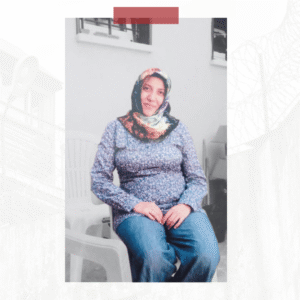
Mualla Kübra Alvar was arrested on 1 March 2018 while she was 7 months pregnant and sent to Tarsus Prison on charges of “membership in a terrorist organization” based on informant testimony related to alleged affiliation with the Gülen movement. She was sentenced to 10.5 years of imprisonment.
During her detention, she developed wounds on her body due to extreme heat and pregnancy. She was released one week before giving birth. In May 2023, she was re-arrested together with her husband in Edirne. Her 4.5-year-old daughter was left behind.
2- Dr. Merve Aydeniz Çokyılmaz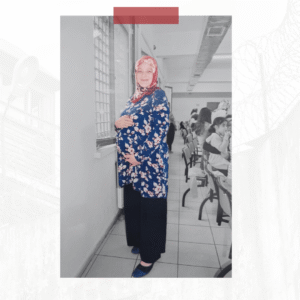
Dr. Merve Aydeniz Çokyılmaz was arrested on 4 March 2018 in Istanbul while she was 11 weeks pregnant. She was tried on charges of “membership in a terrorist organization” due to her alleged affiliation with the Gülen movement and was sentenced to 6 years and 3 months of imprisonment.
She struggled with harsh prison conditions, including overcrowding and hygiene problems. Due to the position of the baby in the womb and infection risks, she experienced a high-risk pregnancy and faced the threat of miscarriage; nevertheless, she was not released.
She was not taken to regular medical check-ups, and her pregnancy was not properly monitored. She was released on 28 September 2018. When she was released, she was 40 weeks pregnant and gave birth in the 41st week.
3- Beyza Demir
Beyza Demir was arrested in November 2018 in Edirne while she was 6 months pregnant. She gave birth on 29 January 2019 and was returned to prison with her baby one day later.
She was tried on charges of “membership in a terrorist organization” due to her alleged employment at a private educational institution affiliated with the Gülen movement and was sentenced to 7 years and 6 months of imprisonment.
Due to the cold and damp conditions of the prison, she was unable to keep her baby with her and was forced to express her milk and pour it into the sink. While she remained in prison, her baby was cared for outside by her husband, who had also been imprisoned and was released in 2019.
4- Büşra (surname unknown)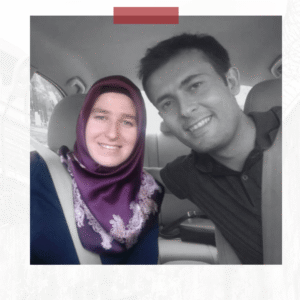
Büşra (surname unknown), who was 7 months pregnant, was taken into custody in Gaziantep on 19 February 2018 together with her husband Ufuk, on charges of “membership in a terrorist organization” based on alleged affiliation with the Gülen movement. No further information could be obtained about her.
5- Ayşegül K. (surname unknown)
Ayşegül K. (surname unknown) was pregnant at the time she was taken into custody in Sinop in March 2018. An investigation was initiated against her on charges of “membership in a terrorist organization” based on alleged affiliation with the Gülen movement. She remained in custody for 7 days; it is not known whether she was subsequently arrested. She also had a 4-year-old child.
6- Emine Ay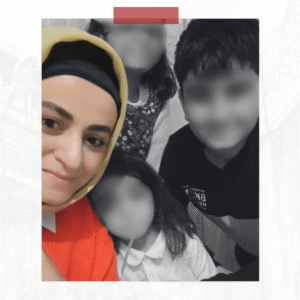
Emine Ay was taken into custody while she was 8 weeks pregnant. On 10 July 2018, she was arrested in Gaziantep on charges of “membership in a terrorist organization” based on alleged affiliation with the Gülen movement and sent to Bitlis Prison. She was frequently ill in prison and spent 80 days in intensive care. During her third pregnancy, due to stress and inadequate nutrition, she gave birth prematurely at 6.5 months. After leaving her baby in an incubator, she was handcuffed and sent back to prison. She remained in the ward for days with a fever of 40°C. During this time, her 7-year-old son was cared for by his grandfather outside, while her 3-year-old daughter was looked after by fellow inmates. She was released approximately one month after giving birth, on 6 November 2018.
7- Meltem Güney
Meltem Güney was taken into custody in İzmir on the morning of 5 May 2018 while she was 3 months pregnant, on charges of “membership in a terrorist organization” based on alleged affiliation with the Gülen movement. She was subsequently arrested and sent to Şakran Prison. Due to having previously suffered two miscarriages, her pregnancy required medical monitoring. Despite her condition, a detention order was issued. She was held in Şakran Prison for 3.5 months and was released on 13 August 2018 during the 7th month of her pregnancy.
8- Şeyma Tekin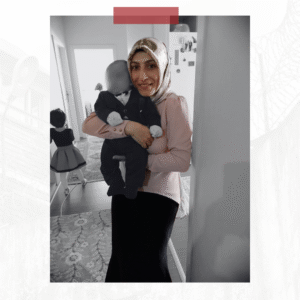
Şeyma Tekin was arrested on 24 June 2018 while she was 2 months pregnant and sent to Erzurum E-Type Closed Prison. After entering prison, her husband filed for divorce due to social pressure. Tekin gave birth on 1 February 2019. Medical examinations revealed that her baby had a hole in the heart. One day after giving birth, Tekin and her sick baby were returned to a ward shared by 25 people. Based on witness testimony, she was sentenced to 6 years and 3 months of imprisonment on charges of “membership in a terrorist organization” due to alleged affiliation with the Gülen movement. She was released 28 days after giving birth, on 28 February 2019.
9- Yasemin Baltacı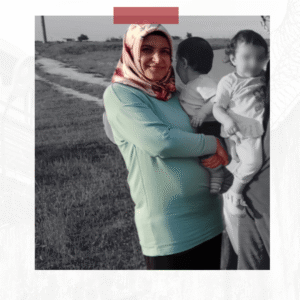
Yasemin Baltacı was taken into custody in Mersin on 17 July 2018 while she was 9 months pregnant. After being held in custody for two days, she was arrested on charges of “membership in a terrorist organization” based on alleged affiliation with the Gülen movement and sent to Tarsus Prison. She gave birth to her daughter 10 days later. One day after giving birth, she was returned to prison with her baby. Baltacı was released on 30 July 2018 following public reactions on social media and efforts by MP Ömer Faruk Gergerlioğlu.
10- Zerrin A. Eroğlu
Zerrin A. Eroğlu was taken into custody in Samsun on 30 August 2018 together with her husband while she was 9 months pregnant, on charges of “membership in a terrorist organization” based on alleged affiliation with the Gülen movement. She was released one day later. No further information could be obtained about her.
11- Hatice Şahnaz
Hatice Şahnaz was taken into custody and subsequently arrested on 4 September 2018, approximately 1.5 months after getting married, while she was 3 weeks pregnant, on charges of “membership in a terrorist organization” based on alleged affiliation with the Gülen movement. At her first hearing on 8 November 2018, she was sentenced to 6 years, 10 months, and 15 days of imprisonment on the grounds that she had used ByLock. During the hearing, the judge reportedly stated, “Do not worry, the appellate court will release you when you are 6 months pregnant,” but this did not occur, and the sentence was upheld on appeal. On 24 May 2019, she was taken to hospital and gave birth without a companion under gendarmerie supervision. She was released on 17 June 2019 following a postponement of execution. After her sentence was upheld by the Court of Cassation, she was re-arrested on 10 December 2020. Şahnaz and her 4-year-old daughter were released in June 2023.
12- Rabia Bıyıklı
Rabia Bıyıklı was taken into custody on 10 September 2018 in Bursa while she was 5 months pregnant. She remained in custody for 10 days; during this period, due to physical conditions, stress, and pressure, she experienced bleeding and faced the risk of losing her baby.
On 20 September 2018, she was arrested on charges of “membership in a terrorist organization” due to her alleged affiliation with the Gülen movement and was transferred to Elazığ Women’s Closed Prison.
She gave birth on 4 September 2019 and was returned to prison together with her baby. She was released on 11 April 2019 under house arrest.
13- Elif Aydın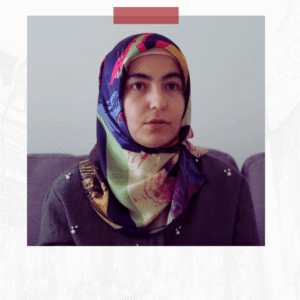
Elif Aydın was arrested on 25 May 2018 while she was approximately 2 months pregnant, on charges of “membership in a terrorist organization” due to her alleged employment at an institution affiliated with the Gülen movement.
Aydın, who had two other children, was forced to take her 5-year-old son with her to prison. The mother, her son, and the unborn baby were compelled to live together in a single bed in a ward shared by 8 people.
She was released in the 8th month of her pregnancy.
14- Ayşe Bozbayır
Ayşe Bozbayır was taken into custody on 30 August 2018 at 05:00 in the morning in Ankara-Elmadağ on charges of “membership in a terrorist organization” due to her alleged affiliation with the Gülen movement. At that time, she was 8 weeks pregnant and had two other children aged 6 and 11.
While in custody, she experienced back and abdominal pain. She was taken to a doctor three times for a medical report following physical assault, but her complaints were not taken into consideration.
After 32 hours, she was brought before the prosecutor and released under judicial control. She remained ill at home for one week. During a later medical check-up, she learned that her baby had died in her womb. A detailed ultrasound revealed that the baby’s heart had stopped while she was in custody.
15- Tuğba Tezcan
Tuğba Tezcan was arrested on 6 June 2018 in Muğla while she was 5 months pregnant on charges of “membership in a terrorist organization” due to her alleged affiliation with the Gülen movement.
She was not released until the 8th month of her pregnancy. No further information could be obtained about her.
16- Tülay Göynük
Tülay Göynük was arrested on 15 August 2018 in Kayseri while she was 8.5 months pregnant, only weeks before giving birth, on charges of “membership in a terrorist organization” due to her alleged affiliation with the Gülen movement.
No further information could be obtained about her.
2019
1- Funda Belde
Funda Belde was arrested on 23 January 2019 during the 5th month of her pregnancy on charges of “membership in a terrorist organization” due to her alleged affiliation with the Gülen movement and was sent to Tokat T-Type Prison.
At that time, she was not alone; she had to take her two-year-old child with her. Her situation drew attention from her family and the public, and social media and human rights platforms helped bring her case to the attention of authorities.
As a result, following approximately two weeks of detention, she was released on 7 February 2019.
2- Yıldız Toz
Yıldız Toz was taken into custody together with her husband on 19 February 2019 in Gaziantep while she was 5 months pregnant, on charges of “membership in a terrorist organization” due to her alleged affiliation with the Gülen movement.
Despite her pregnancy, she was subjected to psychological pressure and was forced for three hours during interrogation to become an informant. After one week in custody, she was arrested on 26 February 2019 and sent to Ordu Prison.
She left behind her 5- and 7-year-old children when she entered prison. It is unknown when she was released.
3- Fatma Zehra Gül
Fatma Zehra Gül was arrested on 20 June 2019 while she was 5 weeks pregnant and sent to Uşak E-Type Closed Prison on charges of “membership in a terrorist organization” due to her alleged affiliation with the Gülen movement.
She experienced a high-risk pregnancy and was taken to the emergency unit three times while in prison. Unlike her previous pregnancy, which had been without complications, the overcrowded and unhealthy conditions in the ward exposed her to bleeding risks and the possibility of miscarriage.
Her husband, Fatih Gül, made public appeals regarding her situation. She had a 6-year-old daughter at the time of her detention. She spent most of her pregnancy in prison and was released on 3 December 2019.
However, after her sentence of 6 years and 3 months was upheld by the Court of Cassation, she was re-imprisoned together with her daughter.
4- Kimya Bozkurt
Kimya Bozkurt was taken into custody on 19 October 2019 while she was 6 months pregnant and was arrested two days later in Gaziantep on charges of “membership in a terrorist organization” due to her alleged affiliation with the Gülen movement.
During the hearing, the judge displayed an attitude indicating disbelief in her pregnancy, attempting to verify it by asking her to “turn right, turn left.” One day after entering prison, a hospital report confirmed that she was 24 weeks and 3 days pregnant.
During her detention, her personal needs arising from her pregnancy were not met. She was released on 5 December 2019.
5- Şeyda Atmaca
Şeyda Atmaca was taken into custody in February 2019, three weeks before giving birth, on charges of “membership in a terrorist organization” due to her alleged affiliation with the Gülen movement.
The English teacher, who had been dismissed by emergency decree (KHK), was subjected to pressure and humiliation in police custody. Police officers inflicted psychological violence by threatening her, saying: “If you don’t speak, you will give birth in Silivri.”
At the time of her detention, she had two other children.
6- Gülden Aşık
Gülden Aşık was taken into custody on 10 April 2019 in Bandırma on charges of “membership in a terrorist organization” due to her alleged affiliation with the Gülen movement and was arrested two days later and placed in Bandırma M-Type Prison.
At the time, she was unaware that she was pregnant and had left behind three children. As her pregnancy progressed, she was urgently referred to Bandırma State Hospital on 31 May 2019. Medical examination revealed that her baby was approximately 10 weeks old but had died at 7 weeks.
She had unknowingly lived in prison for three weeks with her deceased fetus. A day later, she underwent a miscarriage procedure. A prison officer reportedly said, “It’s just a 7–8-week-old piece of trash.”
Aşık went through severe psychological distress. She was released on 10 July 2019.
7- Emine Büşra İbişoğlu
Emine Büşra İbişoğlu was taken into custody on 6 December 2019 in İzmir together with her husband while she was 4 months pregnant, on charges of “membership in a terrorist organization” due to her alleged affiliation with the Gülen movement.
She had been undergoing injections due to a risk of miscarriage. After three days in custody, she was arrested on 9 December 2019 and sent to İzmir Şakran Prison.
She was subjected to threats by the prosecutor, who stated: “Prison conditions are suitable for childbirth; there are hospital facilities. Benefit from effective remorse, otherwise your child will grow up in prison.”
She was released by court order on 18 February 2020 during the 6th month of her pregnancy.
8- Betül Şendir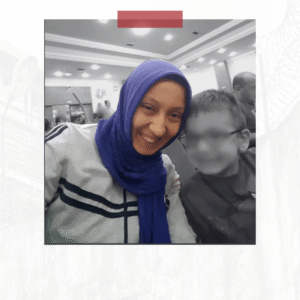
Guidance counselor Betül Şendir was arrested on 9 December 2019 while she was 2.5 months pregnant and sent to Denizli Kocabaş Prison on charges of “membership in a terrorist organization” due to her alleged affiliation with the Gülen movement.
She left behind her son when she entered prison. She was released on 30 December 2019.
9- Serpil Özmermer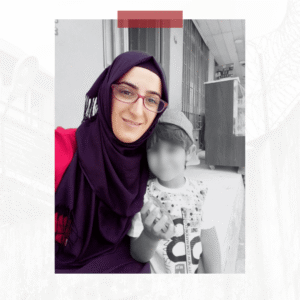
Serpil Özmermer, dismissed by emergency decree (KHK), was arrested on 17 December 2019 while she was 4 months pregnant and sent to İzmir Şakran Prison on charges of “membership in a terrorist organization” due to her alleged affiliation with the Gülen movement.
She had a high-risk pregnancy and also suffered from nodules and thyroid disease. Despite voluntarily appearing to give statements and attending hearings, she was detained pending trial.
During her first day in a temporary ward, she was not given any water. She left behind her 5-year-old son when she entered prison.
She was released on 21 January 2020.
10- Elif Tuğral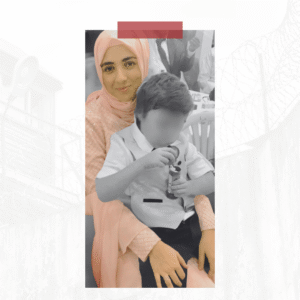
Elif Tuğral was taken into custody from her home on 20 June 2019 while she was 5 months pregnant and placed under house arrest on the same day.
Four months later, on 10 October 2019, she was arrested and sent to İzmir Şakran Prison. She had another 4-year-old son.
Her condition, already involving miscarriage risk, worsened after entering prison. She gave birth on 21 February 2020 and was admitted to intensive care. Even in this condition, 10 male gendarmerie officers were stationed at the hospital door.
Her husband was not allowed to see her after childbirth. She was released five days later, on 26 February 2020.
11- Ebru Hazır
Ebru Hazır was taken into custody on 23 December 2019 in Hatay while she was 3 months pregnant. She was tried on charges of “membership in a terrorist organization” due to her alleged employment at a private educational institution affiliated with the Gülen movement.
Plans to transfer her from Hatay to Istanbul were abandoned due to miscarriage risk. Following public reactions on social media, she was released after two days.
12- Güzin Mızrak
Güzin Mızrak was arrested on 3 May 2019 on charges of “membership in a terrorist organization” based on alleged affiliation with the Gülen movement and was sent to Karabük T-Type Closed Prison. She was not aware that she was pregnant at the time of her imprisonment and learned about her pregnancy through tests conducted in prison. She was taken to medical examinations while handcuffed. She was released during the 7th month of her pregnancy.
13- Hanife Çiftçi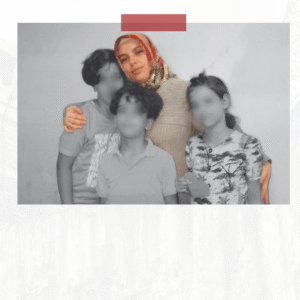
Hanife Çiftçi was arrested on 27 June 2019 while she was 2 months pregnant, on charges of “membership in a terrorist organization” based on alleged affiliation with the Gülen movement, and was sent to Osmaniye T-Type Prison. One month after entering prison, she lost her baby. Despite experiencing bleeding, her condition was reportedly dismissed with the statement, “If the blood does not fill a glass, it is nothing serious.” Due to overcrowding in the prison, she was forced to sleep on the floor. Following her miscarriage, she suffered from severe illnesses. She was released on 28 November 2019.
14- Zeynep Şakrak
Zeynep Şakrak was taken into custody together with her husband from their home in İzmir on the night of 20 June 2019 while she was 3 months pregnant, on charges of “membership in a terrorist organization” based on alleged affiliation with the Gülen movement. She was subsequently arrested and sent to İzmir Şakran Prison. Şakrak had become pregnant through IVF treatment and had previously suffered two miscarriages. Due to both miscarriage risk and diabetes, she required regular medication; however, because her detention coincided with the weekend, her medication could not be delivered to her. She was released in October 2019.
15- Rukiye Güler
Rukiye Güler was taken into custody together with her husband in Diyarbakır in 2019 while she was pregnant with her youngest daughter and was released under judicial control. She was tried on charges of “membership in a terrorist organization” based on alleged affiliation with the Gülen movement and was sentenced to 6 years and 3 months of imprisonment. Although she was convicted during her pregnancy, she remained at liberty pending review by the Court of Cassation. Following the confirmation of her sentence, she was arrested on 16 March 2021 and sent to Diyarbakır Women’s Closed Prison together with her 19-month-old daughter. At that time, she left behind her 12-year-old son and 13-year-old daughter.
2020
1- Ümmiye Kara
Ümmiye Kara was taken into custody on 5 June 2020 in Ankara and arrested the same day together with her husband. She was sent to Ankara Sincan Prison.
She was forced to stay alone in an 8-person ward due to pandemic measures and was not allowed to meet her family despite having visitation rights. Despite having previously suffered a miscarriage, her request for release under judicial control was rejected.
Her two children, aged 4 and 6, were left without both parents.
2- Sehat Sarı
Sehat Sarı was arrested on 5 June 2020 in Ankara while she was 5 months pregnant and sent to Aksaray Prison. Her husband was also detained, leaving behind their 1-year-old son.
She was released on 12 August 2020 during the 8th month of her pregnancy.
3- Hatice Aydın
Hatice Aydın was taken into custody on 4 June 2020 in Manisa while she was 11 weeks pregnant and was arrested the same day.
Two days later, she began bleeding in prison and was taken to three hospitals while handcuffed. She was released on 12 June 2020 due to her pregnancy and health condition.
4- Sümeyra Yılmaz
Sümeyra Yılmaz was taken into custody in İzmir on 3 March 2020 together with her husband while she was 3 months pregnant, on charges of “membership in a terrorist organization” based on alleged affiliation with the Gülen movement. Their 2-year-old daughter was suddenly left without both parents. After being held in custody for 3 days, Yılmaz was released, while her husband was arrested.
5- Sümeyye Çınar
Sümeyye Çınar was taken into custody in Manisa on 4 March 2020 together with her husband while she was 2 months pregnant, on charges of “membership in a terrorist organization” based on alleged affiliation with the Gülen movement. After 7 days in custody, she was arrested and sent to prison. Çınar, who had previously suffered a miscarriage, left behind her 4-year-old daughter.
6- Esra Uymaz Saral
Esra Uymaz Saral was taken into custody in İzmir on 9 January 2020 while she was 4.5 months pregnant, on charges of “membership in a terrorist organization” based on alleged affiliation with the Gülen movement, and was subsequently arrested. At the time of her arrest, she had not yet completed her legal internship. On her first night in a temporary ward, she suffered a nervous breakdown after being denied her medication. Due to having fibroids, she had a high-risk pregnancy and needed to be taken to a doctor twice a week. Following growing reactions on social media, she was released approximately one month after her arrest, on 13 February 2020.
2021
1- Arzu Nur Özkan
Arzu Nur Özkan was taken into custody on 9 March 2021 in Edirne together with her husband while she was 2 months pregnant. The following day, both were arrested and sent to prison.
She was tried on charges of “membership in a terrorist organization” due to her alleged employment at a private educational institution closed by emergency decree (KHK), her Bank Asya account, and witness statements, and was sentenced to 6 years and 10 months of imprisonment.
She remained in prison until the 8th month of her pregnancy and was released on 3 September 2021 shortly before giving birth.
2- Büşra Erdoğan
Büşra Erdoğan was taken into custody on 17 June 2021 in Ayvalık, Balıkesir together with her husband as part of operations targeting the Gülen movement, on charges of “membership in a terrorist organization.” At that time, she was 8 months pregnant.
She had previously been arrested in October 2016 and detained for 14 months in Bursa Yenişehir Prison, after which she was released pending trial.
Following her second detention, she was released on 21 June 2021.
3- Dudu Arduç
Dudu Arduç was taken into custody in September 2021 in Antalya while she was 2 months pregnant, on charges of “membership in a terrorist organization” due to her alleged affiliation with the Gülen movement.
She was held in custody for two weeks under high temperatures and was subsequently arrested and sent to Antalya L-Type Prison. She had to leave behind her two children aged 8 and 6.
Following public advocacy, she was released on 9 December 2021 during the 5th month of her pregnancy.
4- Sibel B. (identity undisclosed)
A woman identified as Sibel B., whose full identity could not be determined, was arrested on 9 September 2021 while she was 7 months pregnant and sent to Ünye M-Type Prison on charges of “membership in a terrorist organization” due to her alleged affiliation with the Gülen movement.
Her appeal against detention was accepted, and she was released shortly thereafter on 21 September 2021.
2022
1- Sevda Ersoy
Sevda Ersoy was arrested on 16 September 2022 in İzmir while she was 4 months pregnant on charges of “membership in a terrorist organization” due to her alleged affiliation with the Gülen movement.
The execution of her 7 years and 6 months sentence was not postponed despite her pregnancy. She had previously spent approximately 16 months in prison and was re-arrested under the same case after her release.
She had to leave behind her 6-year-old daughter.
2- Eda Nur Akkaya
Eda Nur Akkaya was arrested together with her husband on 10 September 2022 in Edirne during the 7th month of her pregnancy, on charges of “membership in a terrorist organization” in the context of investigations related to the Gülen movement.
After learning about her pregnancy, she crossed into Greece to avoid giving birth in prison; however, she was pushed back by Greek security forces and subsequently detained and arrested despite medical reports confirming a high-risk pregnancy. She was sent to Edirne Prison.
3- Ceyda Nur Eroğlu
Ceyda Nur Eroğlu was taken into custody and arrested on 3 May 2022 in Edirne despite being 9 months pregnant and was sent to Edirne Closed Prison.
She was tried on charges of “membership in a terrorist organization” and sentenced to 6 years and 3 months of imprisonment. She had previously spent 5 months in prison, and her husband had also been imprisoned.
She gave birth in prison approximately 1.5 months after her arrest and was released after childbirth.
4- Aslı Ünlü
Aslı Ünlü was arrested in Edirne while she was 5 months pregnant on charges of “membership in a terrorist organization” due to her alleged affiliation with the Gülen movement.
She had another 4-year-old son and was experiencing a difficult pregnancy; she was reportedly unable to stand due to pain even in the courtroom.
She was sentenced to 6 years and 3 months of imprisonment and was released during the 6th month of her pregnancy.
5- Ayşe Karaduran
Ayşe Karaduran was taken into custody on 16 May 2022 while she was 4 months pregnant and was subsequently arrested and sent to Şanlıurfa Prison.
She experienced severe pain and health complications in prison. She was released after two months but was re-arrested on 13 July 2023 together with her 9-month-old baby.
Her baby had Mediterranean anemia and could not be properly cared for in prison conditions. She was forced to stop breastfeeding and went through severe psychological distress.
She was released under house arrest after 18 months of detention.
6- Emine Coşkun
Emine Coşkun was taken into custody on 16 June 2022 in Edirne while she was 5 months pregnant and was released, while her husband was arrested.
After giving birth, she was arrested again in January 2023 when her baby was only 3 months old, despite the baby being born with a cleft lip and palate requiring surgery.
She was released one week later on 24 January 2023 due to the baby’s health condition.
7- Hatice Kaya
Hatice Kaya was arrested in October 2022 in Antalya while she was 6 months pregnant and sent to Antalya Elmalı Prison on charges of “membership in a terrorist organization.”
No further information could be obtained about her.
2023
1- Seher Dursun
Seher Dursun was arrested in Muğla while she was 3 months pregnant. She was sentenced to 9 years of imprisonment on charges of “membership in a terrorist organization.”
She had a 9-year-old son and left him behind. Despite having a high-risk pregnancy, she remained in prison for months and was released in the 8th month of her pregnancy in November 2023.
2- Hatice Avuloğlu
Hatice Avuloğlu was arrested in Edirne while she was 7 months pregnant for attempting to cross into Greece.
She was sentenced to 6 years and 3 months of imprisonment and was unable to access prescribed medication for weeks.
2024
1- Mevlüde Göksun
Mevlüde Göksun was arrested in February 2024 in Edirne while she was 7 months pregnant.
Despite requesting alternative measures, the court ordered her detention. She had previously been detained and later released under house arrest.
2- Tuba Baştuğ
Tuba Baştuğ was arrested in Mardin while she was 2 months pregnant and gave birth in prison.
She was returned to prison with her one-day-old baby, who remains in prison at 6 months of age.
2025
1- Leyla Arslan
Leyla Arslan was arrested in August 2025 in Edirne while she was 3 months pregnant. She was sentenced to 8 years and 9 months of imprisonment.
Despite medical reports indicating a high-risk pregnancy and recommending treatment outside prison, she was not released for a long period.
She was eventually released under judicial control on 15 January 2025 during the 8th month of her pregnancy.
2- Merve Zayım
Merve Zayım was arrested in July 2025 in Edirne during the 38th week of her pregnancy.
She gave birth on 18 August 2025 and was returned to prison two days later despite being in the postpartum period.
She was released on 21 August 2025 following public reactions.
3- Hatice Doğru
Hatice Doğru was arrested on 9 May 2025 in Gaziantep while she was 4 months pregnant.
Despite having a high-risk pregnancy and prior miscarriage, her condition was not taken into account. She was held in prison under extreme heat and limited water conditions.
She was released under house arrest during the 7th month of her pregnancy following public reactions.
4- Unidentified Pregnant Victim
An unidentified pregnant woman was taken into custody in Istanbul on 11 January 2025 during a night raid on her home on charges of “membership in a terrorist organization.”
No further information could be obtained.
5- Nazife Karakoç
Nazife Karakoç was arrested in October 2025 in Edirne while she was approximately 7 months pregnant together with her husband.
She had two children aged 8 and 11, who were left in the care of relatives. Despite stating that she had a high-risk pregnancy and needed regular medical care, she was detained.
She was released under house arrest on 25 December 2025.
6. Conclusion
The practices of detention and custody targeting pregnant women in Turkey, which have notably intensified especially after 2016, reflect a process in which both national legislation and international human rights standards have been systematically violated.
From a legal perspective, detention defined as a protective measure that should be applied only in exceptional, temporary, and necessary circumstances to ensure the proper conduct of proceedings and the preservation of evidence has, in this context, effectively transformed into a form of de facto pre-trial punishment for pregnant women.
International standards, including the UN Bangkok Rules and the Mandela Rules, emphasize that custodial measures for pregnant women should be applied only as a last resort and in the most serious cases; that the use of restraints such as handcuffs during childbirth is strictly prohibited; and that special healthcare guarantees must be ensured during the childbirth process, with full regard to the best interests of the child.
Similarly, Turkish law provides for a multi-layered protection system extending from the investigation phase to the postponement of execution. Mechanisms such as the principle of proportionality, judicial control measures, mandatory postponement of execution, and the protection of mother–child unity demonstrate that deprivation of liberty for pregnant women must remain exceptional.
However, the cases examined within the scope of this report indicate that these normative safeguards have been systematically weakened in practice. The resort to detention despite pregnancy, the insufficient consideration of alternative measures, obstacles in access to healthcare services, and the adverse effects of prison conditions on pre- and postnatal processes give rise to serious risks in terms of human dignity and the right to life.
This situation not only produces individual victimization but also directly affects the physical and psychological development of unborn or young children.
The detention of a pregnant woman must be assessed not only within the framework of criminal procedure, but also in relation to the right to health, the right to respect for family life, the prohibition of discrimination, and the principle of the best interests of the child.
Prison conditions characterized by inadequate nutrition, hygiene problems, high levels of stress, and limited access to healthcare pose serious risks to the pregnancy process. The cases documented in this report clearly demonstrate that such neglect and the stress experienced in detention have resulted in miscarriages and infant loss.
This situation constitutes not only a violation of the mother’s rights but also a violation of the right to life of an unborn child and a disregard for the principle of the individuality of criminal responsibility.
Although domestic law does not contain an explicit and categorical prohibition stating that “pregnant women cannot be taken into custody,” it is evident that the special protection regime granted to pregnant women during detention and execution stages must also be applied, by analogy and a fortiori, to custody measures, which constitute the initial stage of deprivation of liberty.
Custody, like detention, is a measure that restricts liberty and therefore triggers the State’s positive obligations under Article 17 of the Constitution and Articles 3 and 5 of the European Convention on Human Rights.
The principle of proportionality, as regulated under the Code of Criminal Procedure, is not limited to detention decisions but must also be observed in the application of apprehension and custody measures as a constitutional requirement.
Safeguards recognized for detainees such as the right to health, strict necessity requirements for the use of restraints, and humane standards of accommodation must equally be applied during custody.
Any interpretation to the contrary would lead to a result incompatible with the rule of law, whereby a lower standard of protection is applied at a stage involving a shorter deprivation of liberty.
Accordingly, the spirit and purpose of the protective mechanisms recognized in detention and execution phases must also apply to the custody stage. Measures involving deprivation of liberty for pregnant women must be interpreted as exceptional and subjected to strict scrutiny of necessity.
In conclusion, the practices of custody and detention concerning pregnant women in Turkey have given rise to a wide range of violations that undermine human dignity. These include, but are not limited to: being held in cold and unsuitable custody conditions; being forced to sleep on the floor due to overcrowded wards; denial of food or medication; obstruction of access to healthcare; transfer to hospitals in handcuffs; attempts by male gendarmerie officers to enter delivery rooms in violation of privacy; and the return of newborn babies to prison as early as one day after birth.
This situation constitutes not merely an individual legal issue but a critical public policy problem in the fields of health, gender equality, and children’s rights.
It is therefore imperative that the State put an end to these disproportionate interventions against pregnant women and urgently implement alternative measures such as probation, house arrest, and judicial control by placing the best interests of the child at the center of its approach.
[1] Turkish Minute, “UN calls on Turkey to stop jailing women with children”, https://turkishminute.com/2018/03/20/un-calls-on-turkey-to-stop-jailing-women-with-children/
[2] Stockholm Center For Freedom, “759 children under 6 live in Turkish prisons as incarceration rates soar”, https://stockholmcf.org/759-children-under-6-live-in-turkish-prisons-as-incarceration-rates-soar/
[3] Human Rights Watch, “2024 Submission to UN Committee Against Torture”, https://www.hrw.org/news/2024/07/15/human-rights-watch-submission-united-nations-committee-against-torture-turkiye
[4] Council of Europe, “Strengthening Rights and Conditions of Women in Prisons in Türkiye in line with International and EU Standards”, https://www.coe.int/en/web/ankara/strengthening-rights-and-conditions-of-women-in-prisons-in-turkiye-in-line-with-international-and-eu-standards
[5] Justice & Human Rights, “Women and Children in Turkish Detention”, https://jushr.org/nl/our-report-to-the-osce-women-and-children-in-turkish-detention/
[6] Human Rights Association, “Turkish Prisons 2024 Report” , https://www.ihd.org.tr/2024-yili-turkiye-hapishanelerinde-hak-izleme-raporu/
[7] Human Rights Foundation Turkey, “12-14 July Daily Human Rights Violations” , https://tihv.org.tr/gunluk-ih-raporlari/12-14-temmuz-2025-gunluk-insan-haklari-raporu/