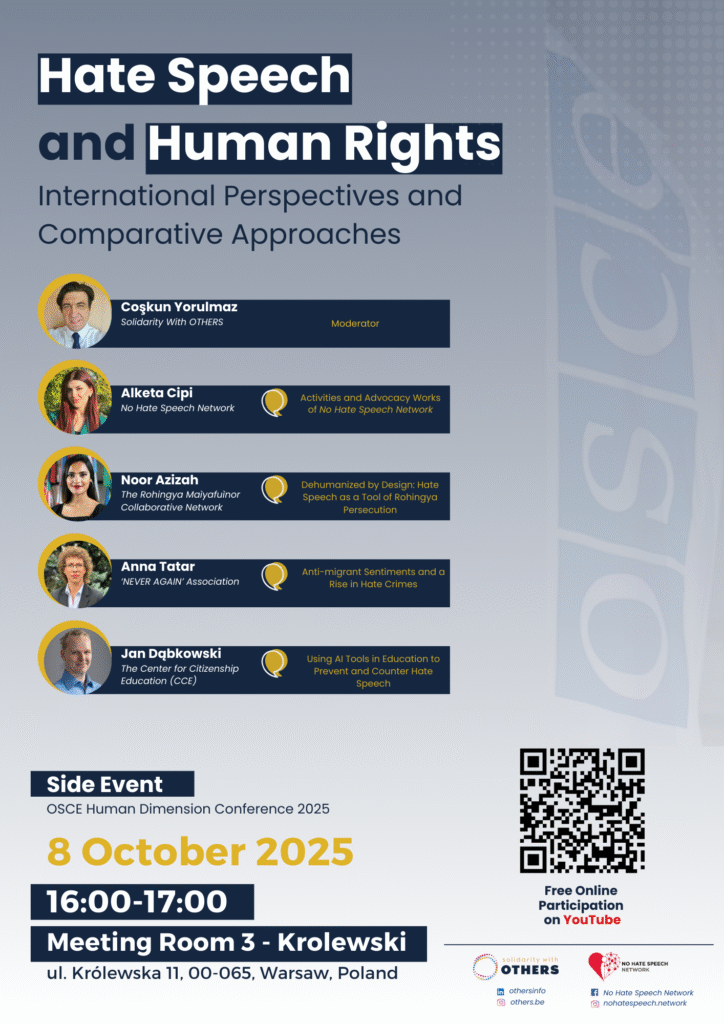

On 8 October 2025, Solidarity with Others hosted a side-event at the Warsaw Human Dimension Conference, under the auspices of the OSCE (Organization for Security and Co-operation in Europe). Titled Hate Speech and Human Rights: International Perspectives and Comparative Approaches, the session brought together leading human rights experts, educators, and activists to explore the pervasive challenge of hate speech, its impact on communities and democratic governance, and effective strategies for countering it.
The OSCE, the world’s largest regional security organization with 57 participating states across Europe, Central Asia, and North America, operates on a comprehensive security approach that includes politico-military, economic and environmental, and human rights dimensions. The OSCE’s Office for Democratic Institutions and Human Rights (ODIHR) is central to promoting human rights, democracy, and the rule of law across its region, making it a vital platform for discussions on tolerance, non-discrimination, and civic responsibility.
The side-event provided a space for comparative analysis of hate speech in different contexts, sharing both alarming case studies and practical interventions from civil society and educational actors. Participants were invited to examine how hate speech affects human rights, contributes to violence and social exclusion, and how communities and policymakers can respond effectively.
Framing the Discussion: Mr. Coşkun Yorulmaz on Hate Speech
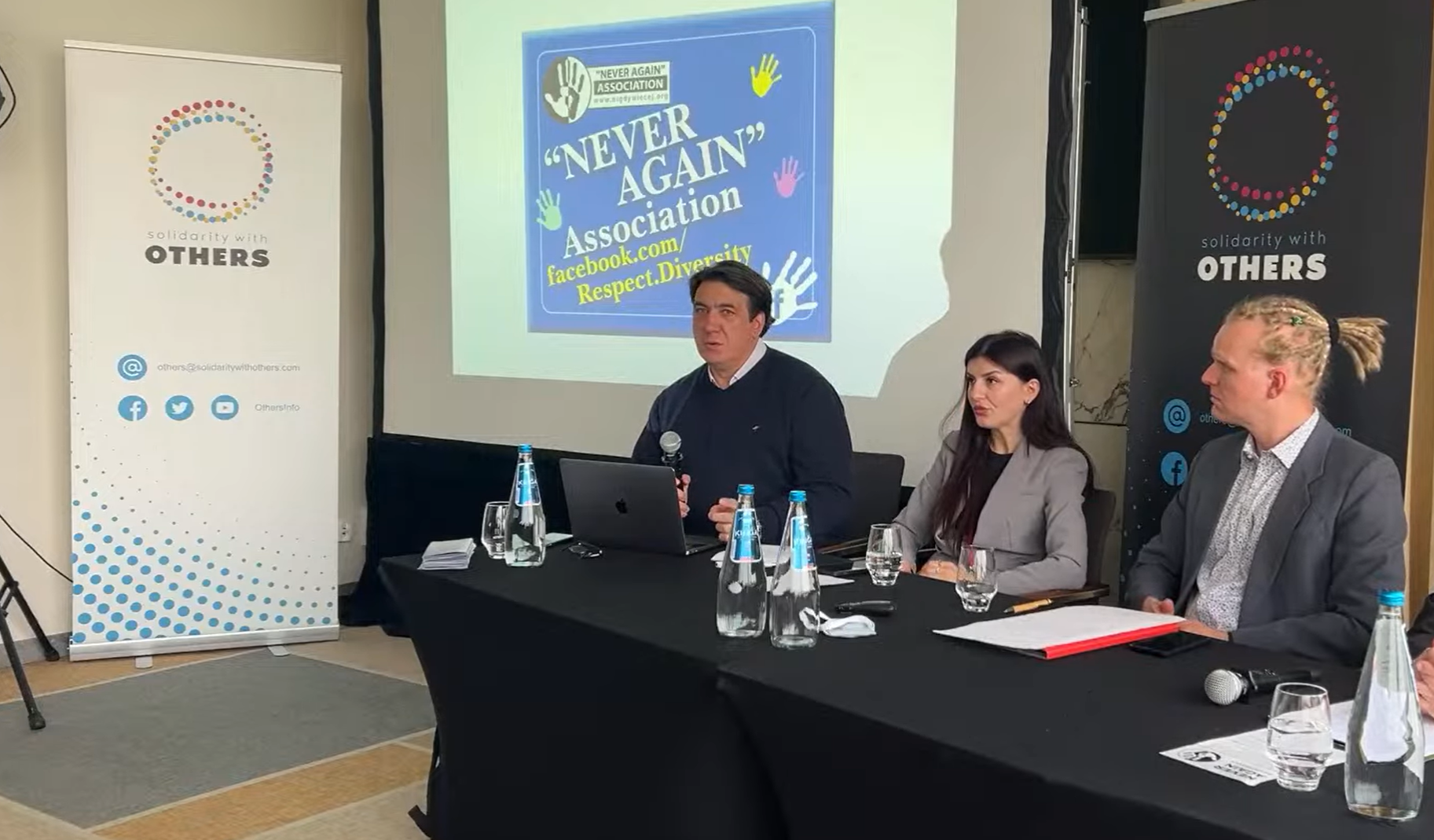
Mr. Coşkun Yorulmaz, a human rights lawyer and representative of Solidarity with Others, opened the session by framing the urgent need for international dialogue on hate speech. Drawing from his experience representing victims of targeted hate campaigns, he underscored the real-world consequences of unchecked hate speech.
Mr. Yorulmaz shared a striking example from Belgium, where a school serving the Turkish community became the target of a coordinated hate campaign. Students and teachers were attacked, a teacher’s car was overturned and burned, and the perpetrators had organized the attack via social media. The root cause, Mr. Yorulmaz explained, was a media-amplified narrative targeting the Gülen movement in Turkey, illustrating how political rhetoric and online hate can escalate to violent attacks in far-flung communities.
He highlighted that understanding hate speech requires examining its transnational dimensions, the role of media and social platforms, and the interplay between rhetoric, perception, and action. The event, he said, would explore similar dynamics across Europe and beyond, drawing lessons from diverse experiences.
Ms. Alketa Cipi: Empowering Youth to Recognize and Counter Hate
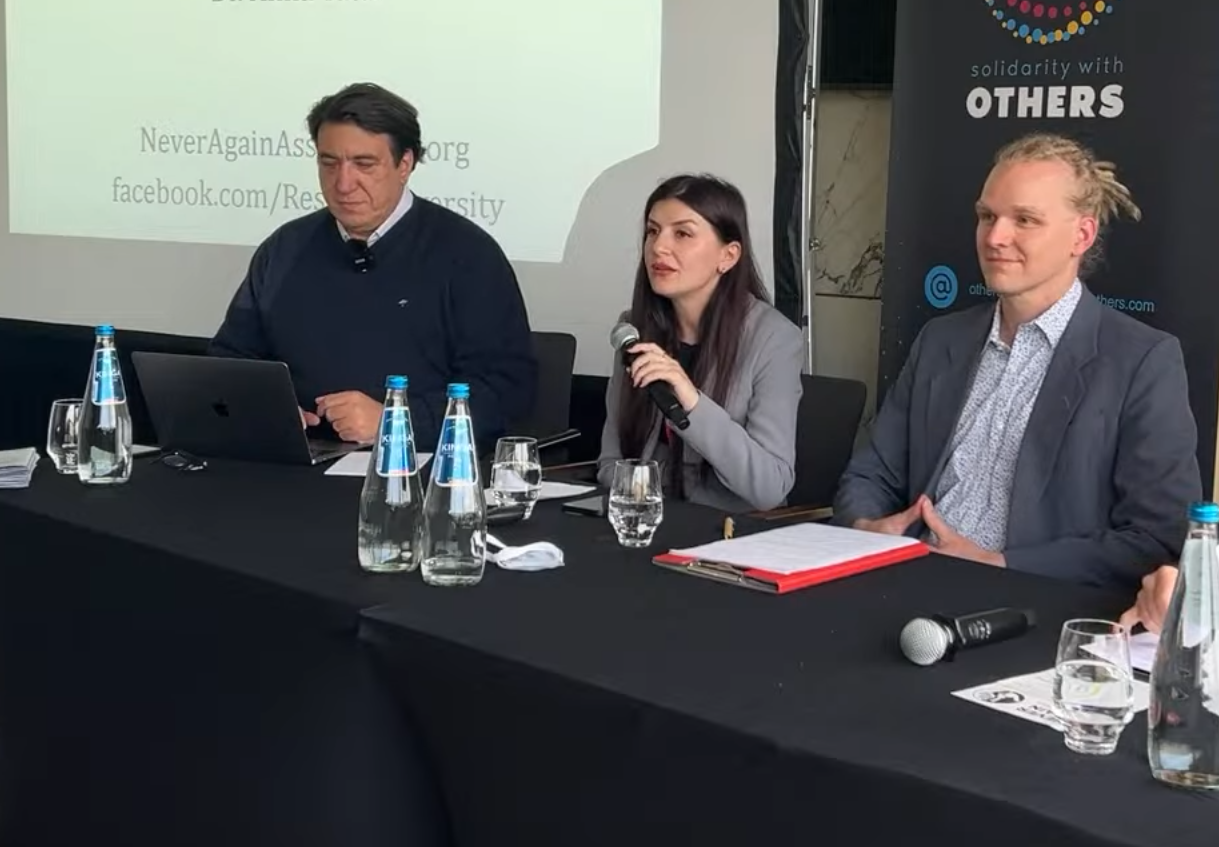
Ms. Alketa Cipi, representing the No Hate Speech Network, provided an in-depth look at the work of a network that combines education, activism, and youth leadership. Founded in 2019 to build on the Council of Europe’s No Hate Speech campaign, the network has mobilized young people and NGOs to address both online and offline hate speech.
Ms. Cipi described the network’s multi-tiered approach:
- Non-formal education: Using manuals such as Compass and Bookmarks, participants engage in scenario-based exercises to recognize, analyze, and respond to hate speech.
- Peer-to-peer mentorship: Board members and trained activists guide participants in developing campaigns and projects in their own communities.
- Community engagement: Youth-led dialogues, cultural nights, and local initiatives bridge gaps between diverse groups, fostering mutual understanding.
She emphasized the importance of contextualizing training for each audience. While the core materials provide foundational knowledge, adaptation is crucial to address the realities young people face in their local communities. By combining education, mentorship, and active engagement, the network builds resilience among youth, empowering them to challenge harmful narratives and promote inclusive discourse.
Ms. Cipi also noted the power of follow-up and continuous engagement, ensuring that training sessions lead to sustained action rather than temporary awareness. The network’s projects have had measurable impact, helping communities recognize hate speech, prevent escalation into violence, and create spaces for dialogue and empathy.
Ms. Noor Azizah: Hate Speech as a Tool of Persecution Against the Rohingya
 Ms. Noor Azizah shared a deeply personal account of the Rohingya genocide, emphasizing the lethal consequences of hate speech when weaponized by state and non-state actors. Born in Rakhine State, Myanmar, Noor and her family fled violence in the 1990s, traversing jungles, trains, buses, and islands across Southeast Asia, before being resettled in Australia.
Her presentation highlighted decades of systematic persecution against the Rohingya, an indigenous ethnic minority of Myanmar. Stateless since 1982 due to government policies, the Rohingya have faced:
- Stripping of citizenship and legal recognition
- Compulsory labor and confiscation of property
- Systematic sexual violence used as a military tactic
- Restrictions on education, religious practice, and marriage
- Mass displacement during Operation Clearance in 2017, which displaced over 700,000 people to Bangladesh
Ms. Azizah explained that hate speech was a key enabler of these atrocities, amplifying fear and prejudice through language that dehumanized the Rohingya. Terms like “Bengalis,” “cockroaches,” and “illegal immigrants” were propagated by military authorities, extremist Buddhist groups, and political actors to justify violence and dispossession.
Beyond Myanmar, hate speech against the Rohingya has spread across Southeast Asia, influencing public perception, political campaigns, and access to humanitarian support. In Indonesia and Malaysia, anti-Rohingya rhetoric has been used during elections to mobilize votes, creating an environment where discrimination and violence against refugees are normalized.
Despite these challenges, Ms. Azizah highlighted the role of Rohingya-led initiatives, including cultural dialogue events, advocacy campaigns, and humanitarian interventions, to counter misinformation, support survivors, and foster solidarity across borders. She stressed that education, awareness, and advocacy are crucial to breaking the cycle of hate speech, violence, and marginalization.
Mr. Jan Dąbkowski: AI and Education to Prevent Hate Speech
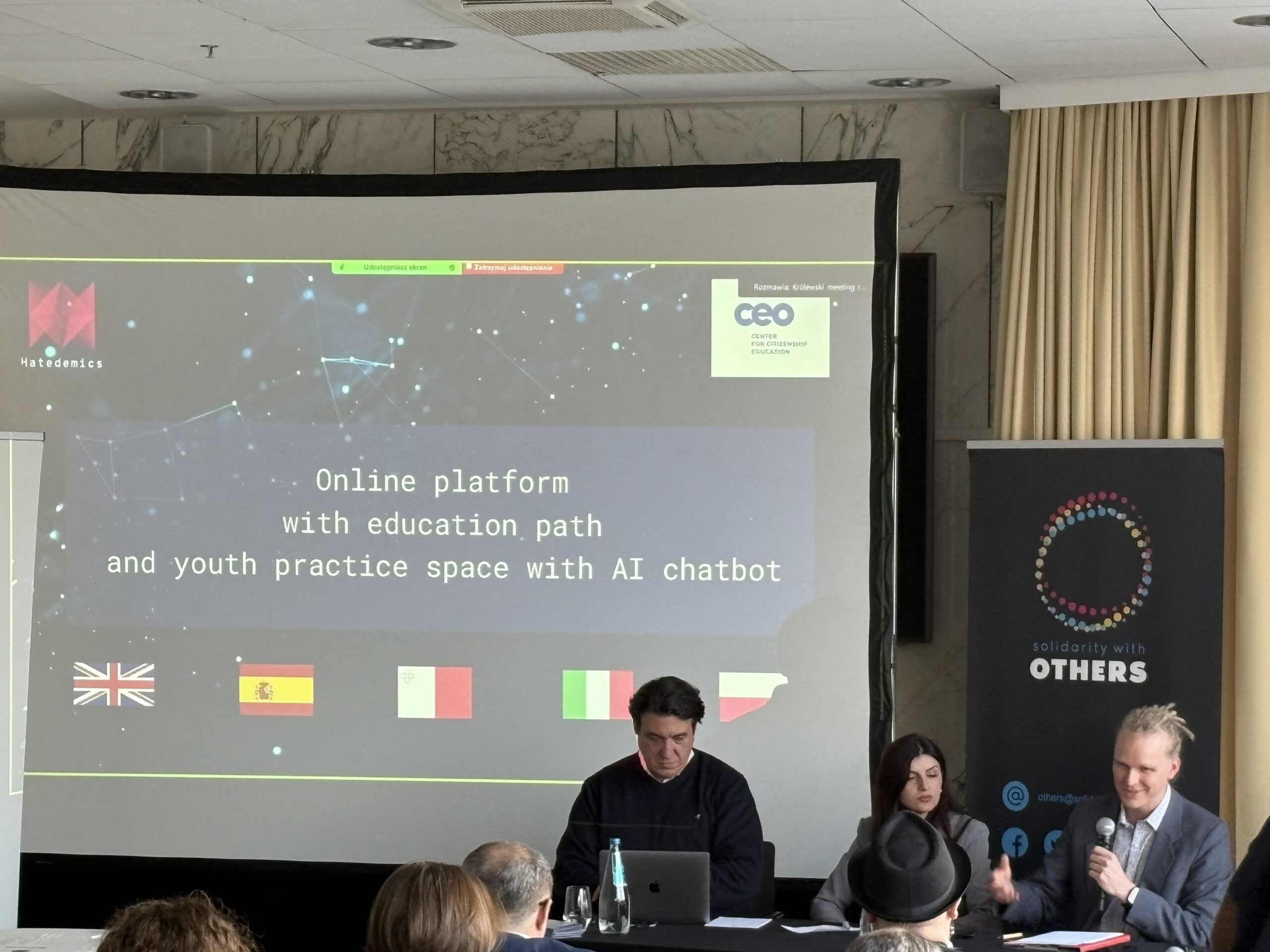
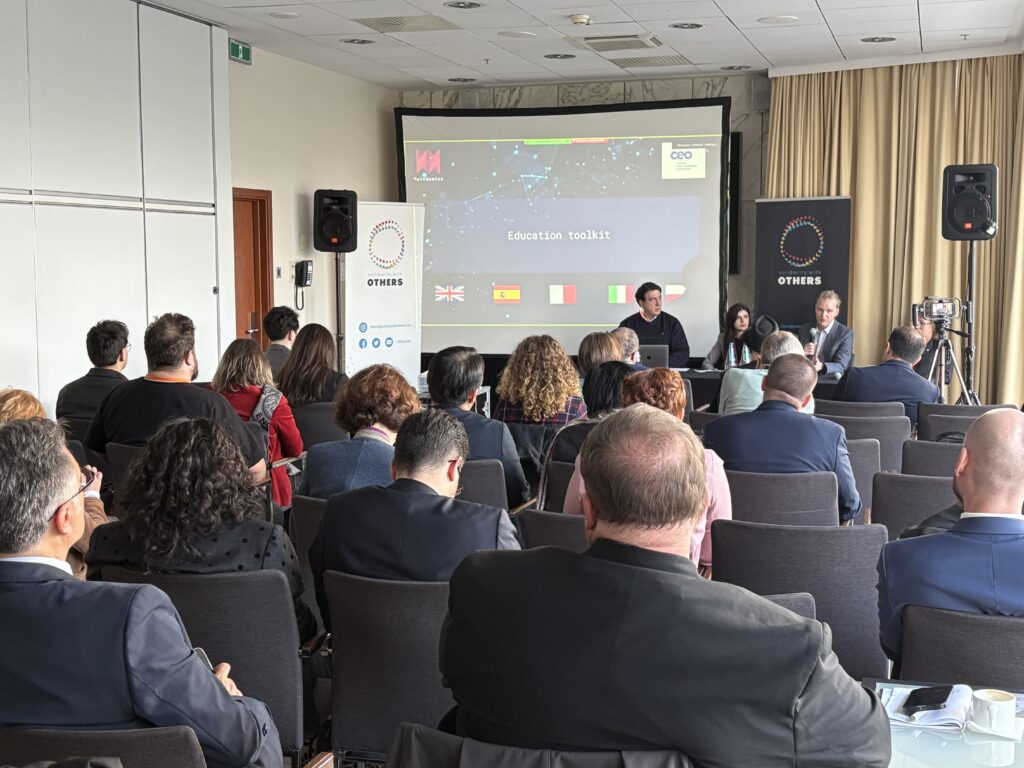
Mr. Jan Dąbkowski of the Centre for Citizenship Education (CCE) presented innovative approaches using artificial intelligence and digital platforms to combat hate speech in schools. As head of the Undiscrimination Education Team, Mr. Dąbkowski oversees programs that equip students and teachers with tools to identify, analyze, and respond to hate speech and disinformation.
Key components of CCE’s initiative include:
- Educational toolkits: Multi-lingual resources combining theory, exercises, and interactive activities to teach human rights, civic values, and critical thinking.
- AI-powered chatbots: Students can simulate real-life responses to hate speech in safe, controlled digital environments, learning how to react effectively and empathetically.
- Cross-disciplinary collaboration: The project integrates civil society organizations, IT developers, and fact-checking agencies to ensure accuracy, sensitivity, and effectiveness.
Mr. Dąbkowski emphasized the importance of protecting young users while providing realistic training. By combining educational content, AI simulations, and human rights principles, the platform strengthens digital literacy, critical thinking, and civic responsibility. The approach also encourages reflection, teaching students to remain calm, assess situations, and decide when or how to intervene responsibly.
Dr. Anna Tatar: Monitoring, Advocacy, and the Rise of Far-Right Violence
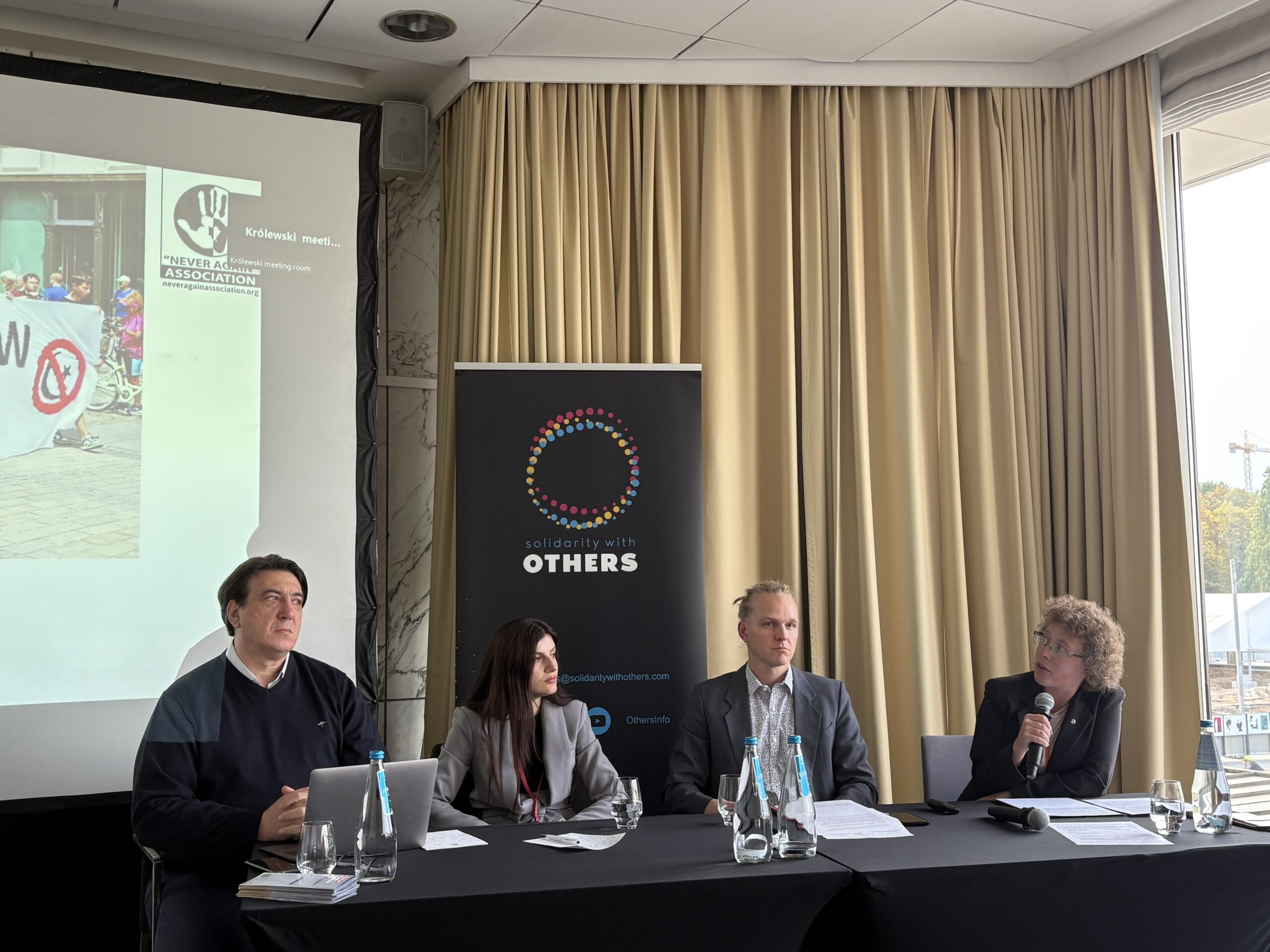
Dr. Anna Tatar from the NEVER AGAIN Association provided a comprehensive overview of hate speech and hate crimes in Poland. Established nearly 30 years ago, NEVER AGAIN monitors incidents of racism, xenophobia, and antisemitism, publishing the Brown Book, a chronicle documenting attacks on minorities.
Dr. Tatar described the rise of far-right militias and civic patrols, which conduct xenophobic demonstrations targeting migrants and refugees. Examples included:
- Aggressive patrols along the Polish-German border, stopping cars without legal authority
- Xenophobic marches in Warsaw and Kielce, often attended by far-right politicians and figures glorifying extremist violence
- Violence against migrants, refugees, and anti-fascist demonstrators
These developments, Dr. Tatar explained, were amplified by political narratives portraying migrants as threats to social order, job security, and national identity. Through detailed monitoring and documentation, NEVER AGAIN exposes these patterns, providing essential data for advocacy and policy recommendations.
She also addressed societal dynamics, noting that hate speech resonates because it taps into historical prejudices, fear, and the human tendency to seek scapegoats. Education, media literacy, and civic engagement are key to addressing these underlying causes, complementing legal and policy interventions.
Comparative Insights: Lessons Across Borders
Across all presentations, several comparative insights emerged:
- Hate speech is rarely an isolated phenomenon; it interacts with political agendas, social narratives, and historical prejudices.
- The consequences are tangible, ranging from interpersonal violence to systemic persecution and even genocide.
- Multi level interventions, education, monitoring, advocacy, and international cooperation, are most effective.
- Youth engagement and digital literacy are central to building resilience in communities, particularly as online platforms amplify both hate speech and disinformation.
- Survivors and affected communities must be central to responses, ensuring interventions are grounded in lived experience and local knowledge.
The session demonstrated that while contexts differ, the patterns and strategies of hate speech are strikingly similar across continents, highlighting the need for coordinated, informed, and proactive responses.