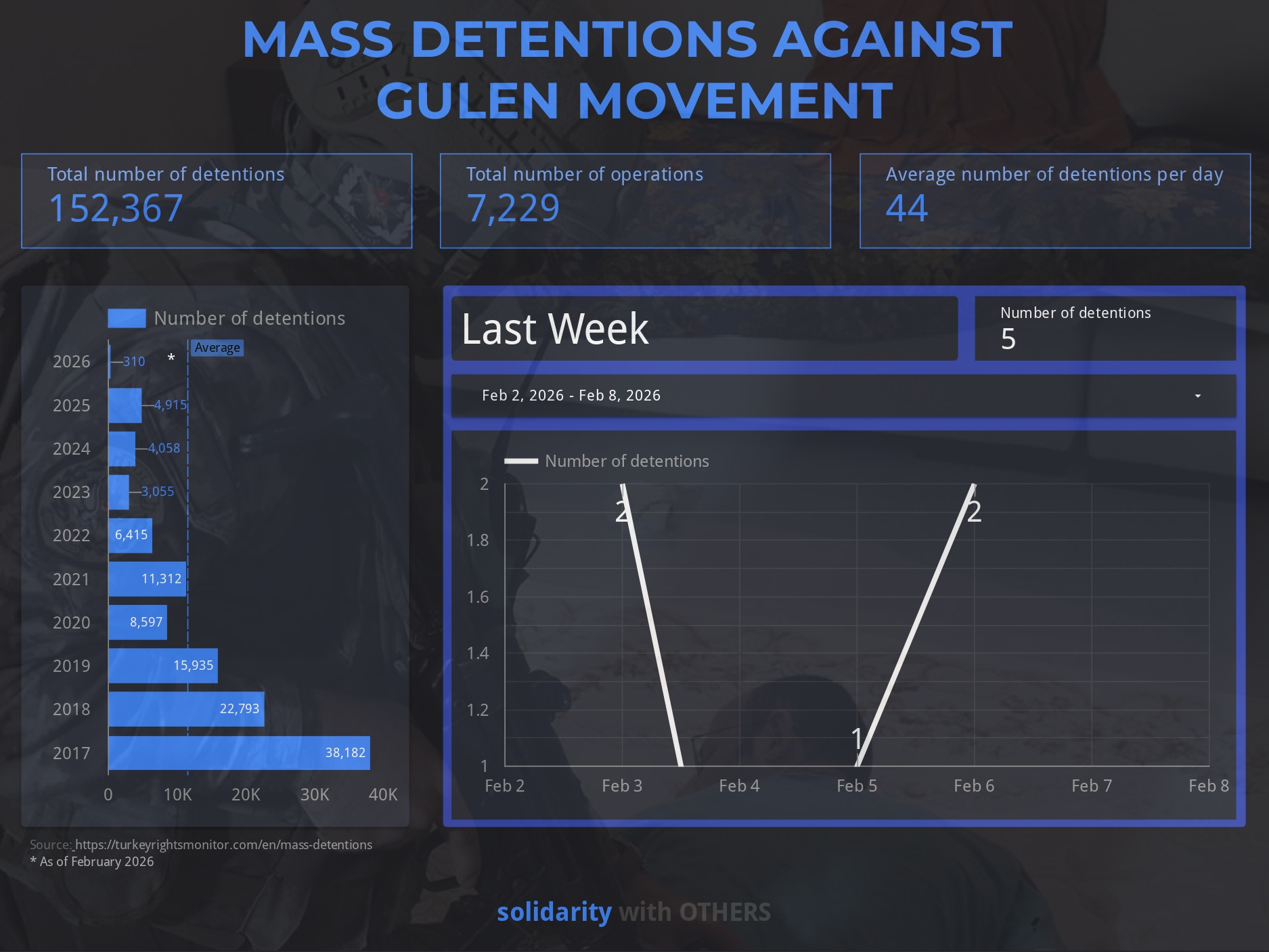
Throughout the week, prosecutors ordered the detention of at least 5 people over alleged links to the Gülen movement. In October 2020, a UN Working Group on Arbitrary Detention (WGAD) opinion said that widespread or systematic imprisonment of individuals with alleged links to the group may amount to crimes against humanity. Solidarity with OTHERS has compiled a detailed database to monitor the Gülen-linked mass detentions since a failed coup in July 2016.
Enforced Disappearances
No news has emerged of Yusuf Bilge Tunç, a former public sector worker who was sacked from his job by a decree-law during the 2016-2018 state of emergency and who was reported missing as of August 6, 2019, in what appears to be one of the latest cases in a string of suspected enforced disappearance of government critics since 2016.
Freedom of Assembly and Association
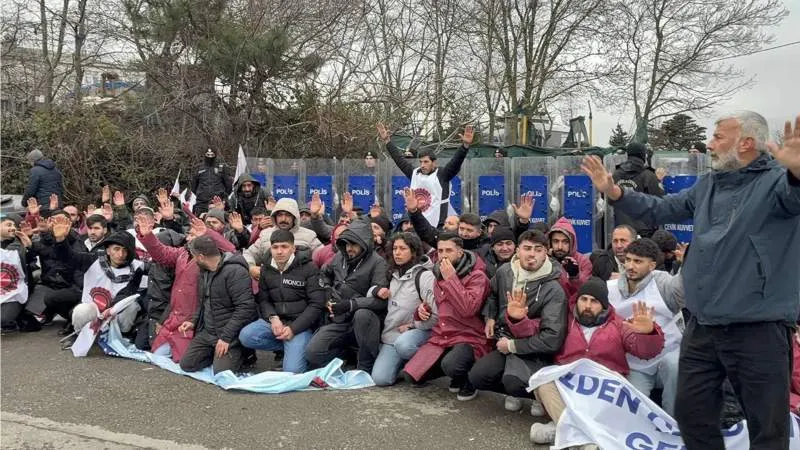
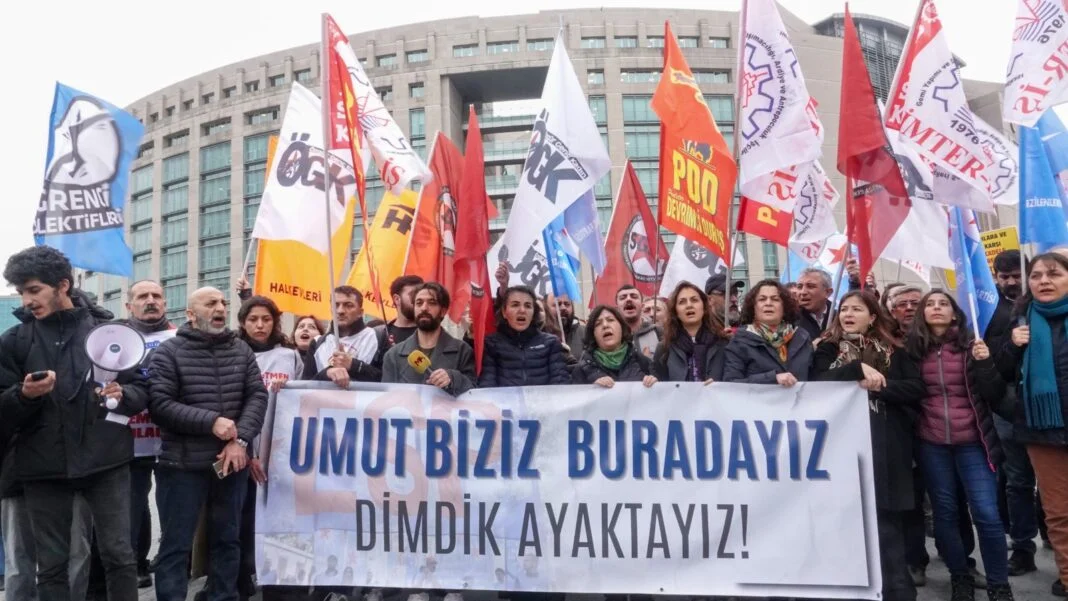
5 February: Migros warehouse workers protesting a proposed wage increase were detained for the third time on the 15th day of their strike after gathering outside the Beykoz villa of the owner of the running-company, before all 60 detainees were later released.
Freedom of Expression and Media
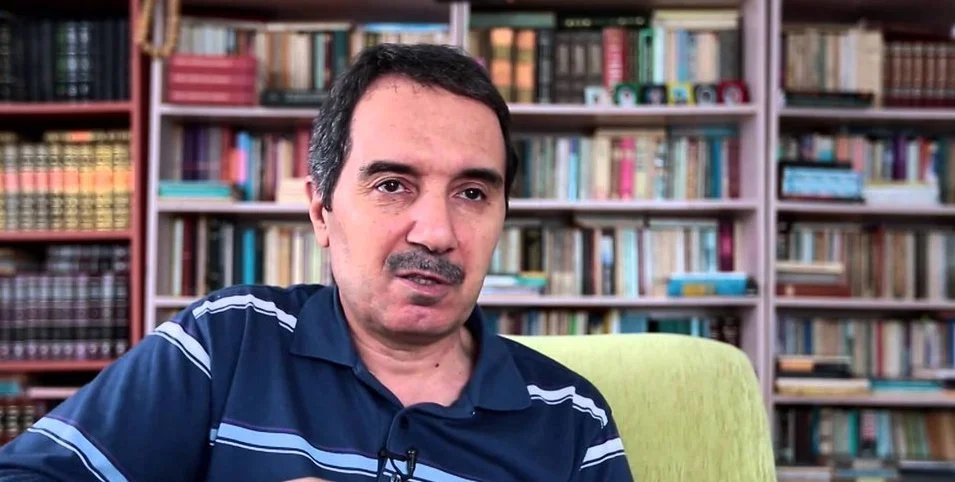
2 February: Calls have intensified for the release of theologian and former Zaman columnist Ali Ünal, who has spent nearly a decade in prison over alleged Gülen movement links despite a 2023 ruling by the UN Working Group on Arbitrary Detention finding his detention arbitrary, as supporters campaign online.
Ali Ünal
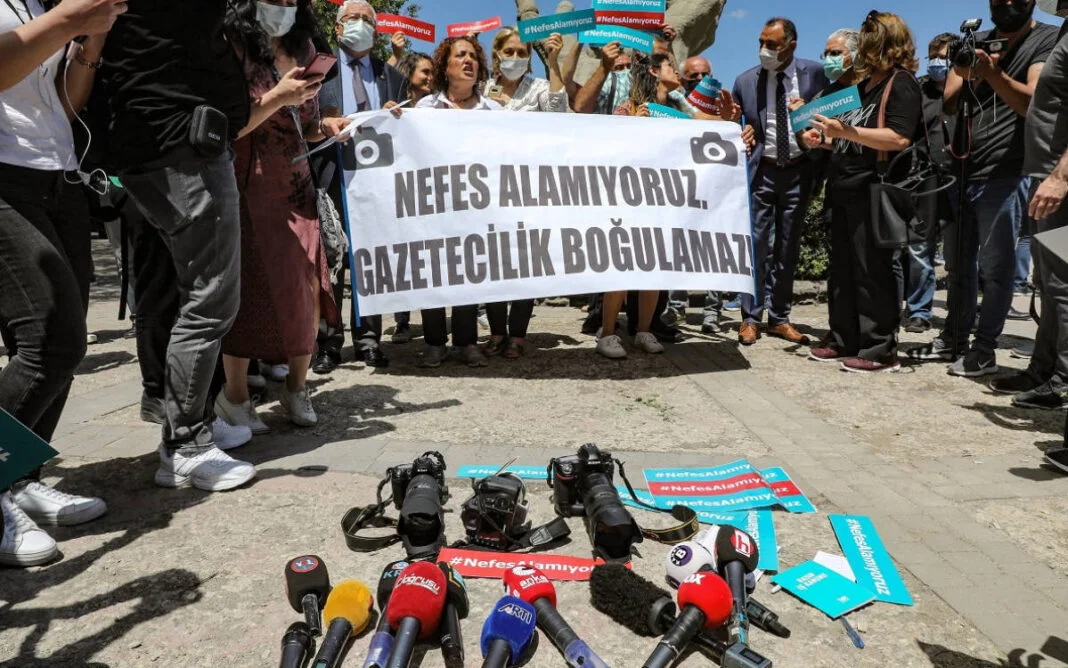
3 February: Turkish authorities detained 14 journalists and arrested one in January, blocked hundreds of news items and injured several reporters covering Rojava-related protests, according to the Dicle Fırat Journalists Association.els under RTÜK supervision while imposing high licensing fees.
5 February: Turkey’s media regulator RTÜK has ordered government-critical outlet Tele2 Haber to apply within 72 hours for two internet broadcasting licenses or face an access block, a move critics say is used to bring critical YouTube channels under RTÜK supervision while imposing high licensing fees.
Judicial Independence & Rule of Law
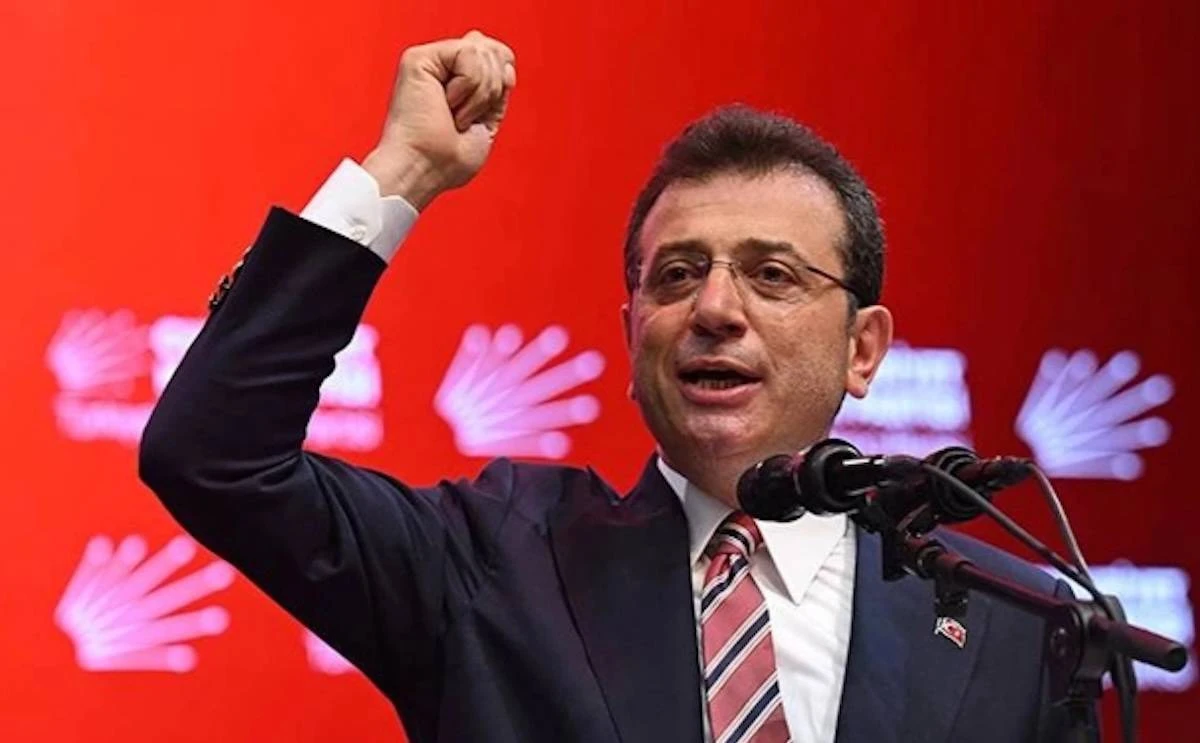
4 February: Turkish prosecutors have filed an indictment seeking up to 20 years in prison for jailed İstanbul Mayor Ekrem İmamoğlu and three others on charges of “political espionage,” alleging that personal data from millions of users of the İstanbul Metropolitan Municipality’s “İstanbul Senin” digital platform was leaked abroad.
Ekrem İmamoğlu
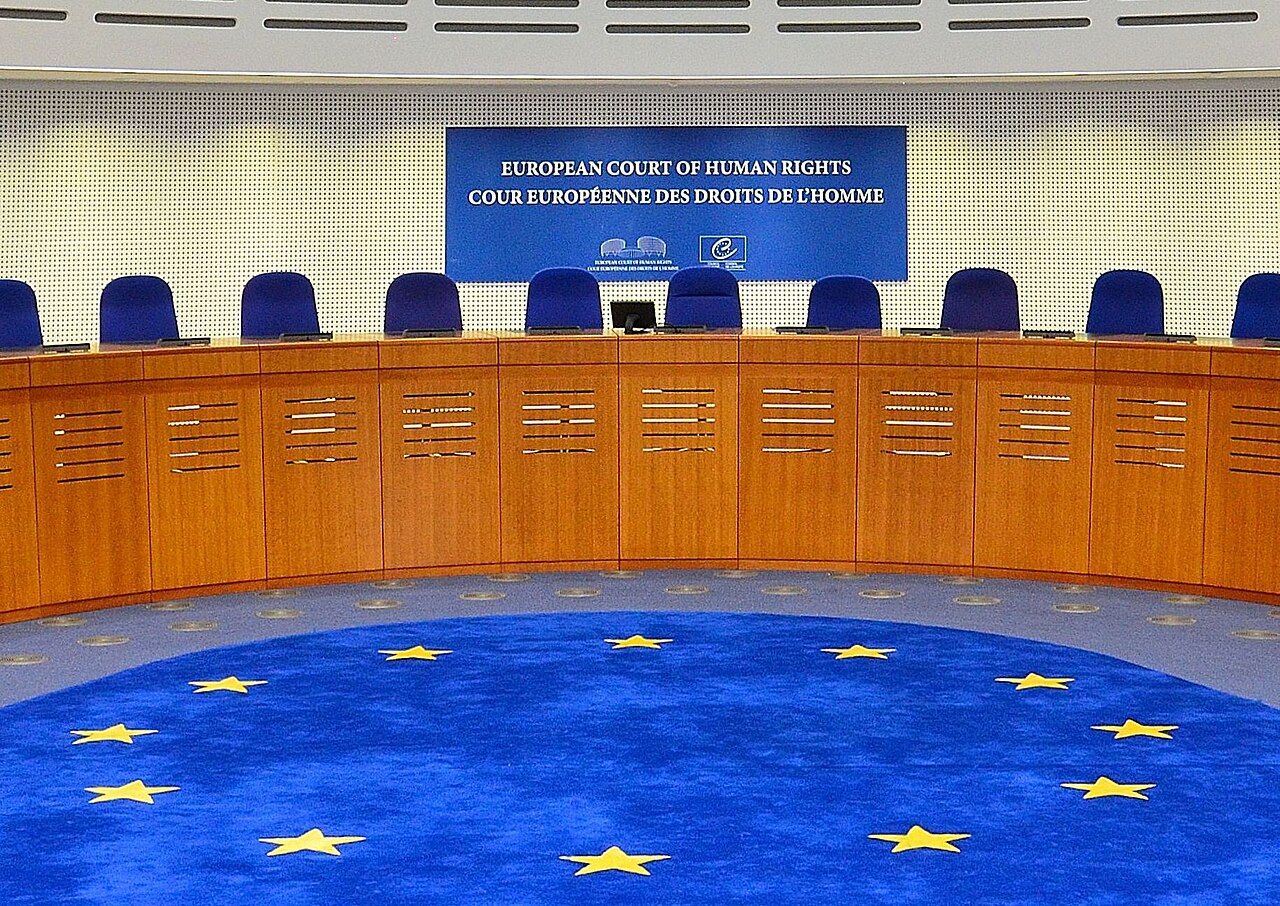
4 February: The European Court of Human Rights ruled in Kandemir v. Türkiye that Turkey violated the right to a fair trial by failing to properly review the 2016 state-of-emergency dismissal of former TÜBİTAK employee Mehmet Kandemir, finding that domestic courts relied on abstract security claims rather than individualized evidence, a judgment that could set a precedent for more than 130,000 former public officials dismissed during the state of emergency between 2016 and 2019.
5 February: A Turkish court ordered the arrest of 47 people, mainly members of the Socialist Party of the Oppressed, including former lawmaker Murat Çepni and several journalists, on terrorism-related charges following nationwide police raids in 23 provinces.
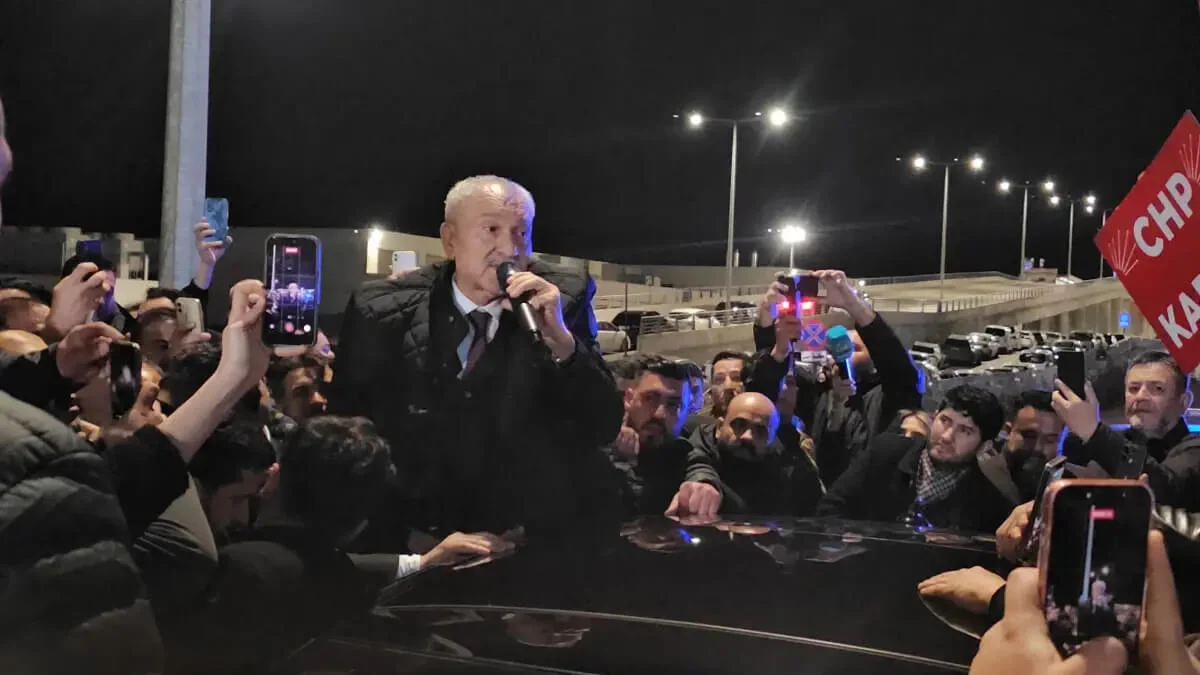
6 February: An İstanbul court ordered the release of Zeydan Karalar, the CHP mayor of Adana, and eight others under a travel ban.
Kurdish Minority
4 February: Turkish authorities have for a second time blocked a humanitarian convoy organized by the Diyarbakır Solidarity and Protection Platform from reaching the Syrian Kurdish town of Kobani, forcing trucks carrying food and basic supplies assembled in Diyarbakır to return despite a deepening humanitarian crisis.
6 February: A 16-year-old boy living in İzmir was detained and then jailed on charges of “terrorist propaganda” for sharing a hair-braiding video on social media.
6 February: Turkey’s Professional Football Disciplinary Committee fined Amedspor 600,000 TL and banned player Çekdar Orhan for five matches over alleged “ideological propaganda” after his hair-braiding goal celebration during the February 1 home match.
Refugees and Migrants
3 February: The Human Rights Association’s İzmir branch said two Syrian youths, Muhammed Salih Halil and Vays Halil, were subjected to police torture, racist threats and arbitrary detention during a stop-and-search in December 2025, calling for their immediate release from administrative custody, an effective investigation into the officers involved.
Torture and Ill-Treatment
6 February: A Turkish court acquitted three police officers and a doctor accused of torturing former teacher Eyüp Birinci in custody, despite a prior ruling by the Constitutional Court of Turkey confirming credible evidence of torture and rights violations, underscoring entrenched impunity for abuse cases linked to post-2016 Gülen-related prosecutions.
Eyüp Birinci
Transnational Repression
6 February: The International Federation of Journalists condemned Turkish border guards for shooting journalist Nujan Mala Hassan of the Nûdem Media Foundation while she was covering protests near the Syrian–Turkish border between Qamishli and Nusaybin, calling the incident a shocking and deliberate assault on press freedom after live fire was used against protesters and members of the press.
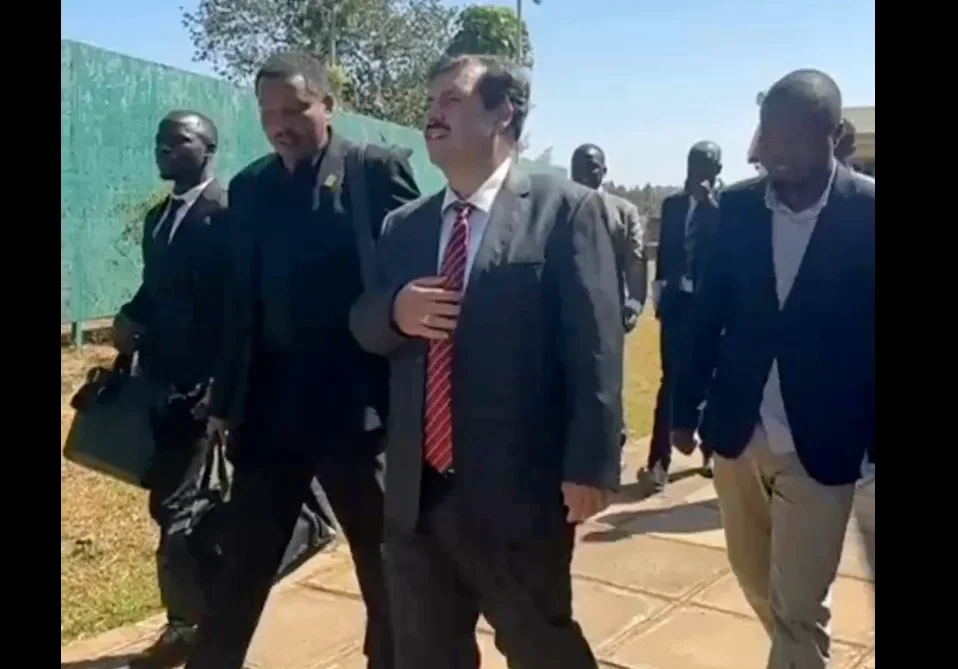
4 February: A court in Nairobi ordered the unconditional release of Turkish refugee Mustafa Güngör, who had been detained at Ankara’s request over alleged Gülen movement links despite his protected status, with Amnesty International Kenya calling the case a clear attempt at transnational repression.
Over 5 years of continuous work on monitoring Human rights in Turkey