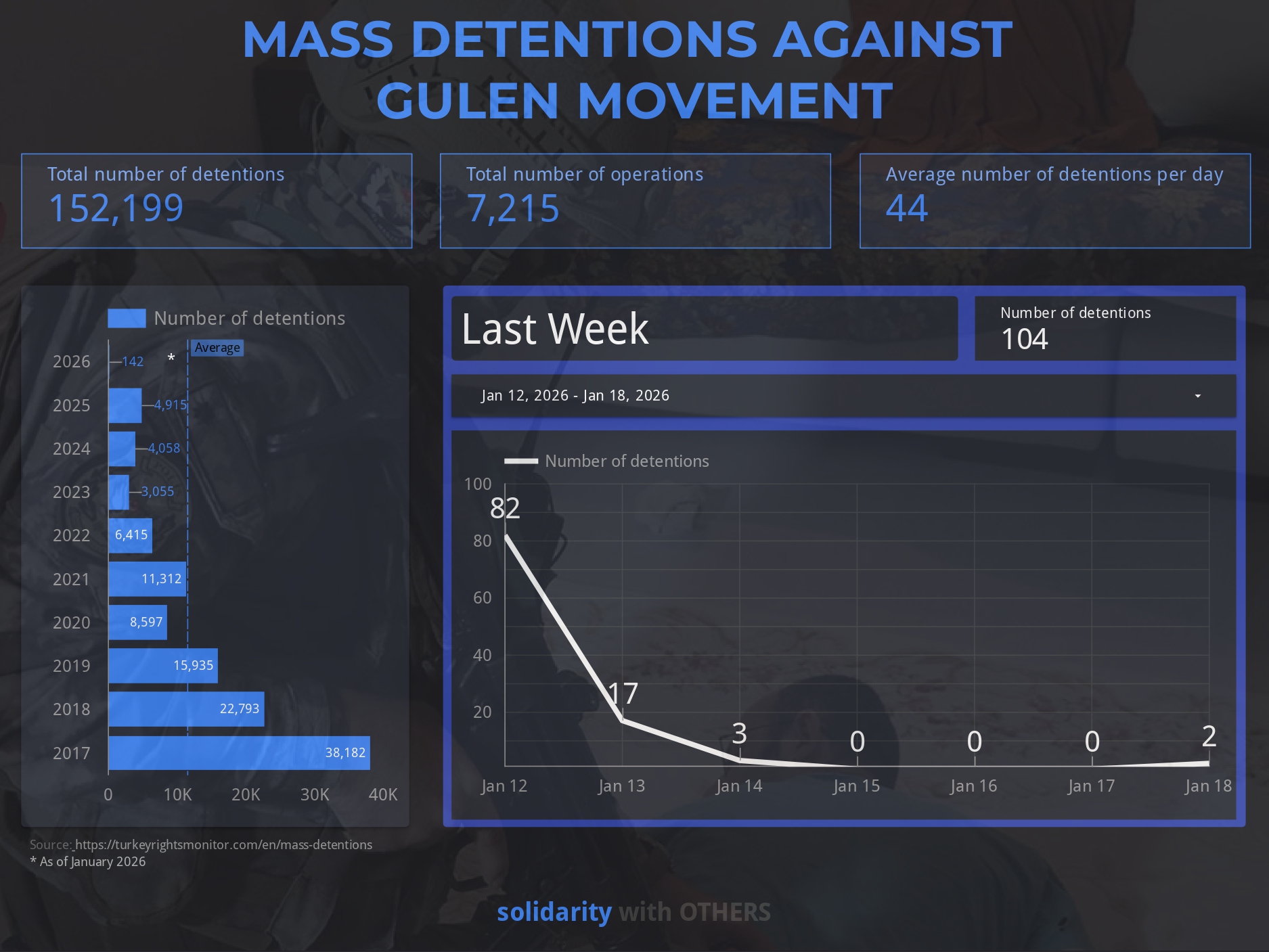
Throughout the week, prosecutors ordered the detention of at least 104 people over alleged links to the Gülen movement. In October 2020, a UN Working Group on Arbitrary Detention (WGAD) opinion said that widespread or systematic imprisonment of individuals with alleged links to the group may amount to crimes against humanity. Solidarity with OTHERS has compiled a detailed database to monitor the Gülen-linked mass detentions since a failed coup in July 2016.
12 January: Turkish authorities detained 132 people in nationwide raids over alleged links to the Gülen movement, including 81 suspects in 16 provinces announced by Interior Minister Ali Yerlikaya and another 51 in a separate probe, relying on claims involving ByLock use and so-called payphone investigations, despite a 2023 Grand Chamber ruling by the ECtHR in the Yüksel Yalçınkaya case that ByLock use alone does not constitute a criminal offense
Arbitrary Depriviation of Life
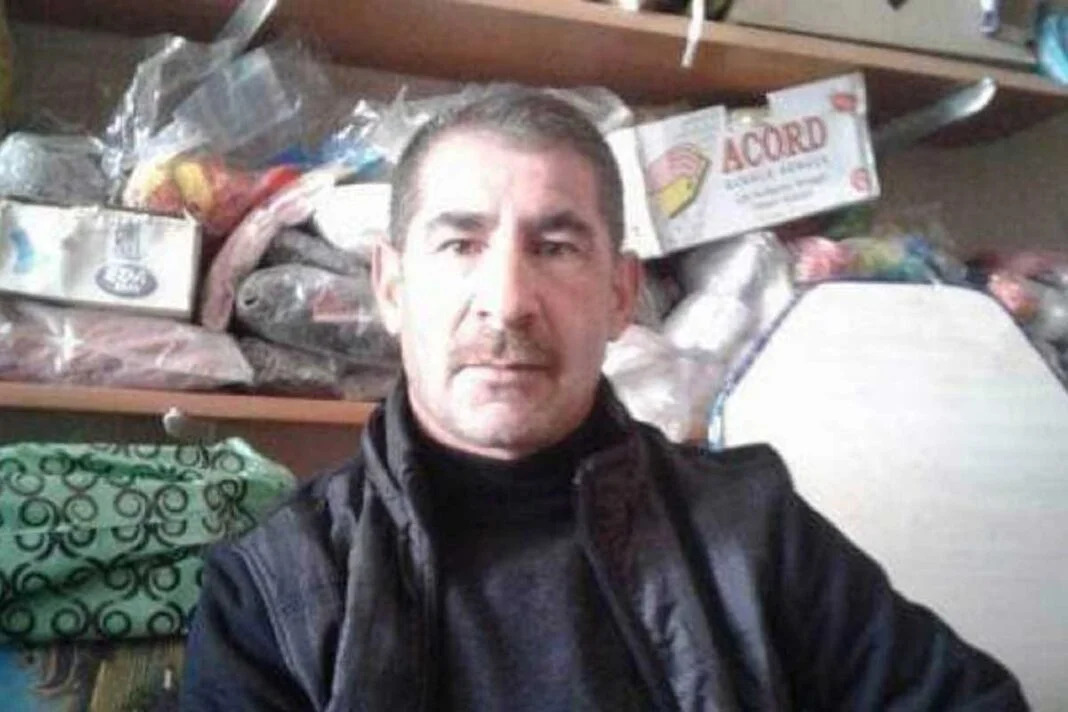
12 January: A court in Yüksekova sentenced a specialist sergeant to one year and eight months in prison for the 2019 killing of Kurdish shepherd Sertip Şen, convicting him of involuntary manslaughter and reducing the sentence for “good conduct,” a ruling criticized by the Human Rights Association as reinforcing impunity for security forces.
Sertip Şen
Enforced Disappearances
No news has emerged of Yusuf Bilge Tunç, a former public sector worker who was sacked from his job by a decree-law during the 2016-2018 state of emergency and who was reported missing as of August 6, 2019, in what appears to be one of the latest cases in a string of suspected enforced disappearance of government critics since 2016.
Freedom of Assembly and Association
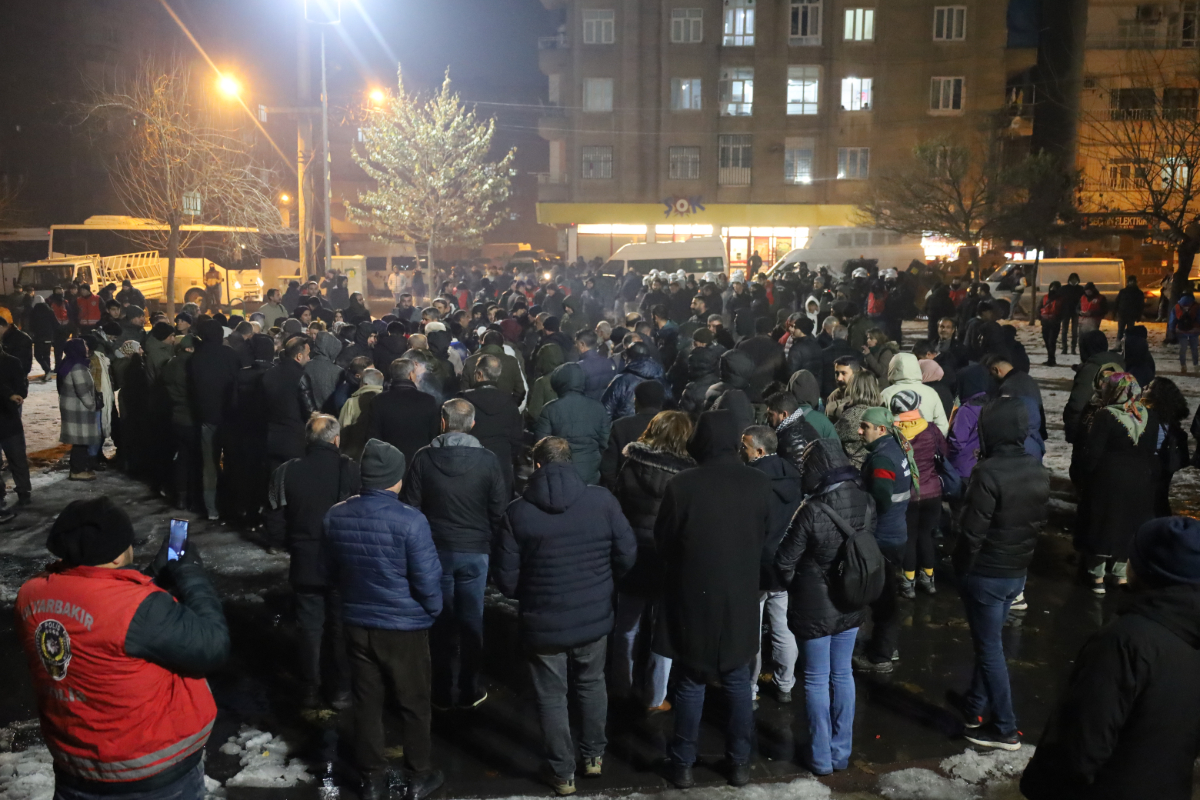
15 January: 4 people were detained in Diyarbakır for taking part in protests against attacks on Kurdish people in Aleppo and were later arrested on charges related to participating in an unlawful demonstration.
Freedom of Expression and Media
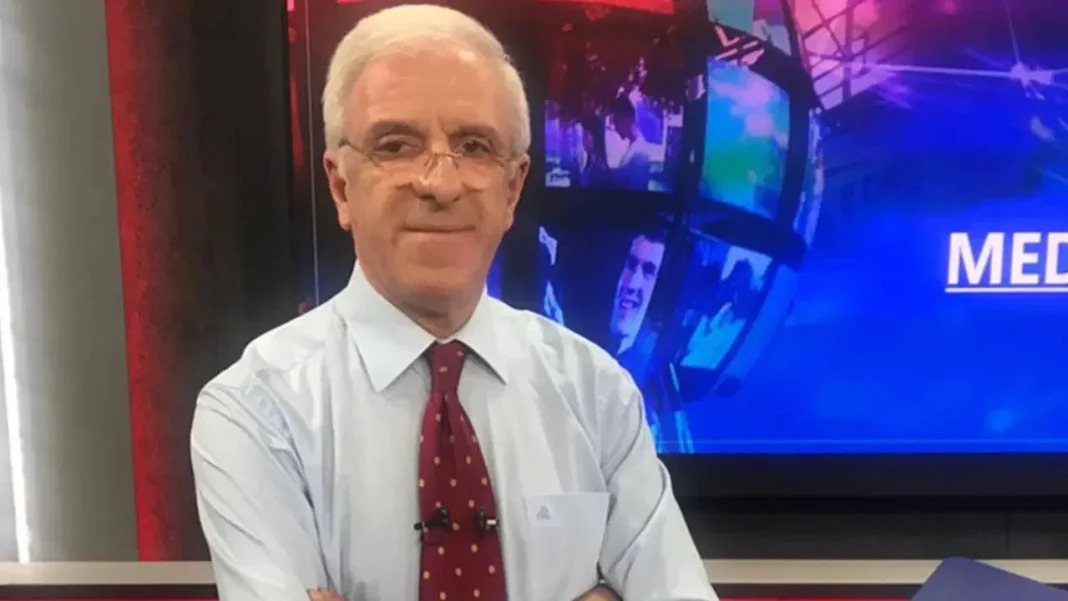
13 January: A Turkish prosecutor is seeking up to four years in prison for journalist Zafer Arapkirli over a social media post that did not name anyone but was deemed an insult to President Recep Tayyip Erdoğan.
Zafer Arapkirli
14 January: A new report by the Freedom of Expression Association says global platforms including Meta, TikTok, Google and X have become part of Turkey’s censorship system under Law No. 5651 by largely complying with content removal and data requests while offering opaque and inadequate transparency.
15 January: Turkey’s broadcast regulator Radio and Television Supreme Council (RTÜK) fined Show TV and NOW TV and ordered Disney+ and Spotify to remove content over alleged violations of public morality, amid longstanding criticism that the regulator—dominated by the ruling Justice and Development Party (AKP)—targets critical or non-conservative content.
16 January: Journalist Tolga Şardan was questioned by prosecutors in Ankara over his reporting on the December 23 plane crash that killed Libyan Chief of General Staff Mohammed Ali al-Haddad, as part of an investigation by the Ankara Chief Public Prosecutor’s Office into alleged violation of investigative secrecy, according to Media and Law Studies Association.
Tolga Şardan
Judicial Independence & Rule of Law
13 January: The ECtHR ruled that Turkey violated the right to a fair trial by upholding the 2016 dismissal of an Ankara university lecturer based solely on unverified ByLock allegations without giving him a genuine opportunity to challenge the evidence, rejecting the government’s reliance on emergency rule in the post-coup crackdown against Gülen Movement.
13 January: Turkey’s Information and Communication Technologies Authority (BTK) ordered the blocking of dozens of corruption and politically sensitive articles on the independent Kısa Dalga website, including reporting on money laundering allegations involving businessmen Sezgin Baran Korkmaz and Cihan Ekşioğlu and investigations linked to the opposition-run Istanbul municipality.
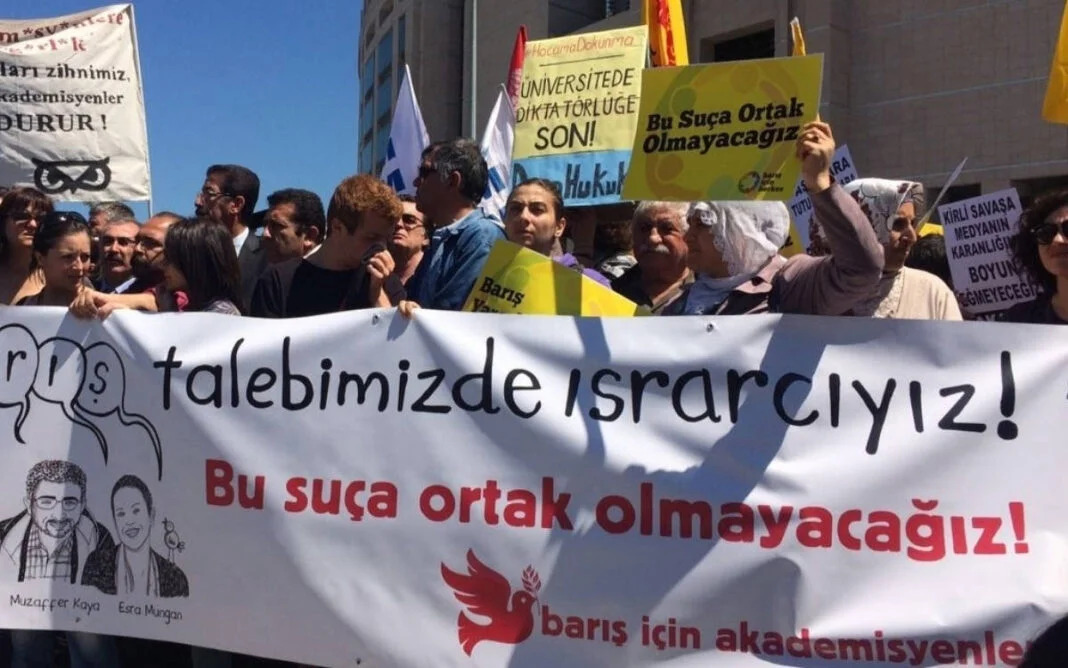
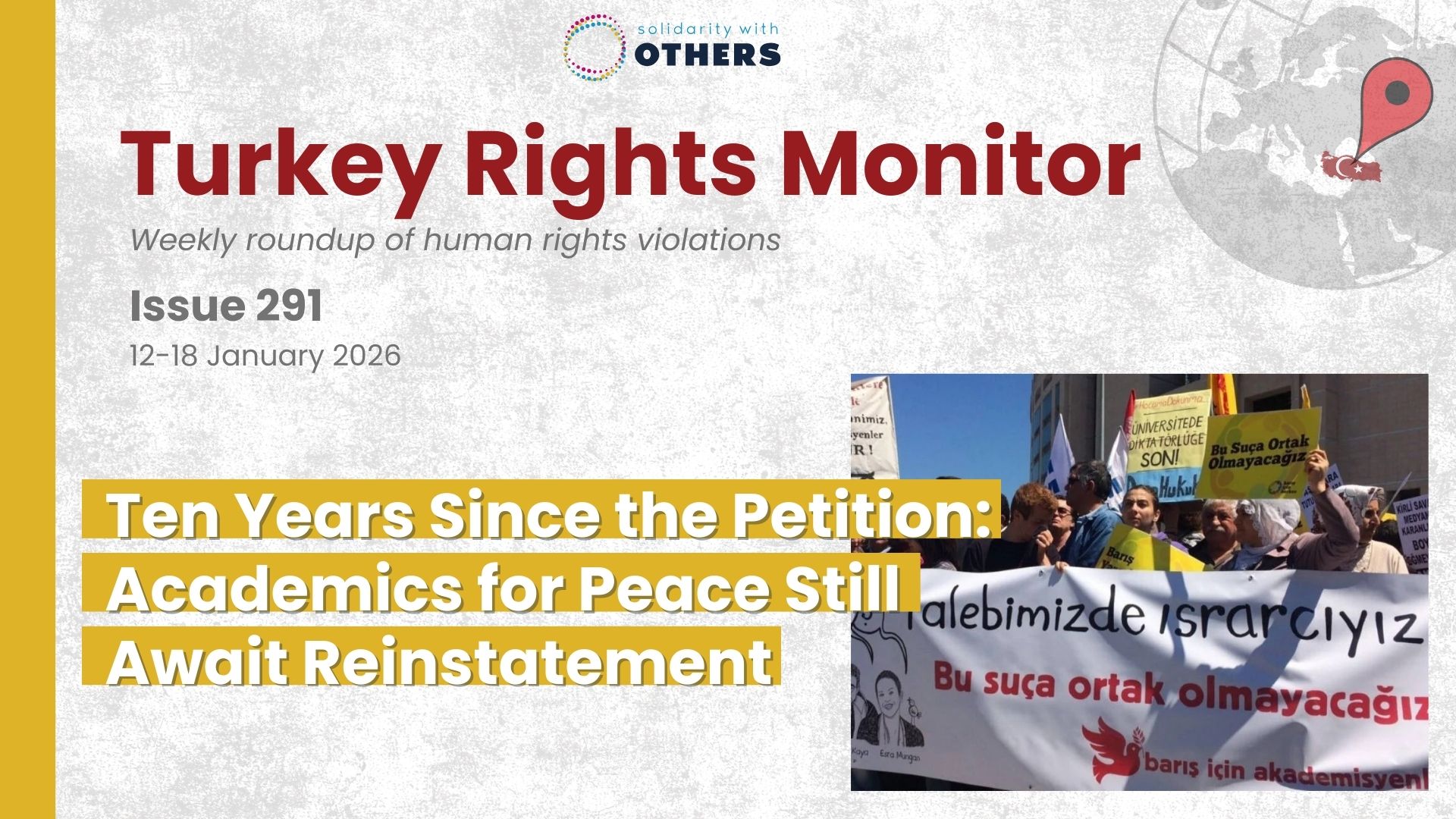
13 January: Turkey’s Academics for Peace marked the 10th anniversary of their 2016 peace petition by renewing demands for reinstatement, saying that despite a 2019 ruling by the Constitutional Court finding their punishment violated freedom of expression, hundreds of the 549 scholars dismissed by emergency decrees remain excluded from public service.
Kurdish Minority
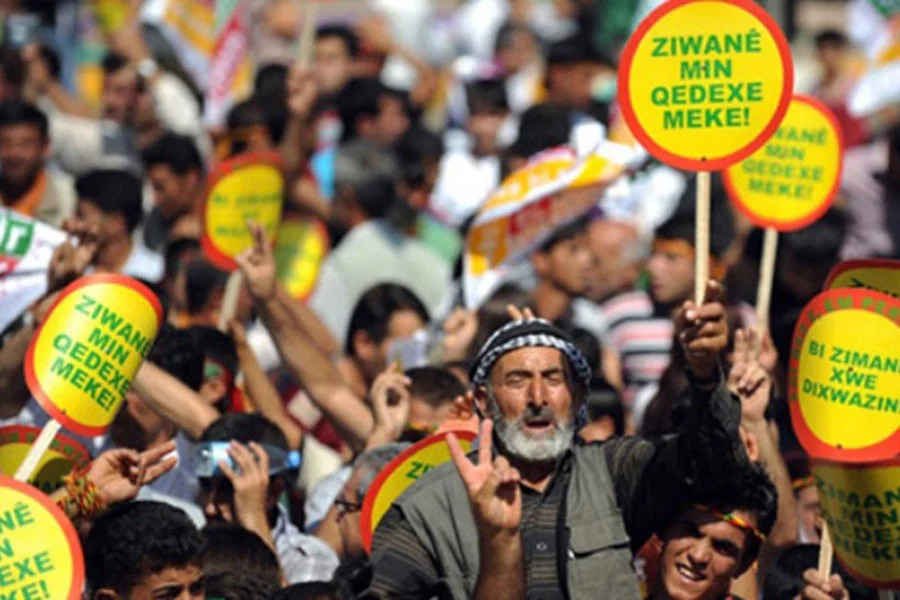
12 January: An annual report by the Kurdish Language Rights Monitoring and Reporting Platform, documented at least 70 violations against Kurdish language and culture in Turkey in 2025 across public spaces, media, arts and prisons, citing systematic censorship, criminalization and restrictions including bans on Kurdish expression, education, cultural activities and prisoner communications.
Torture and Ill-Treatment
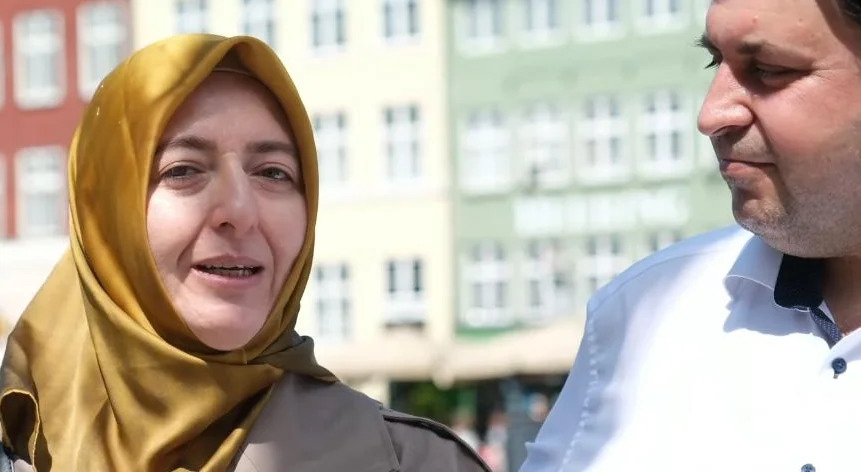
15 January: A former detainee, Filiz Turun, told that she was subjected to repeated strip-searches, sexual abuse and degrading medical treatment while jailed in Gaziantep over alleged links to the Gülen movement, before fleeing Turkey in 2024 after years of prosecutions.
Filiz Turun
Over 5 years of continuous work on monitoring Human rights in Turkey