Hongyu Pan *
Introduction
For a long time, hate speech has often been seen as a cultural or moral problem. Its definitions were largely confined to symbolic or discursive levels. In the digital age, however, this view does not fully capture the harm it can cause. Hate speech shapes social groups and influences individual psychology. It also creates conditions where violent acts are more likely. While it may not directly cause physical harm, it contributes to crime by affecting social structures and human behaviour. This makes harmful acts more foreseeable and easier to occur.
How Hate Speech Creates Real-World Harm
Hate speech operates through several mechanisms that turn harmful ideas into real-world risk:
-
Social Mobilisation and Group Formation
Persistent “othering” of specific groups weakens social willingness to protect them and reinforces group divisions. This can create communities where hostility is normalised and collective attitudes toward potential victims become less protective.
-
Amplification Through Social Media and Loopholes
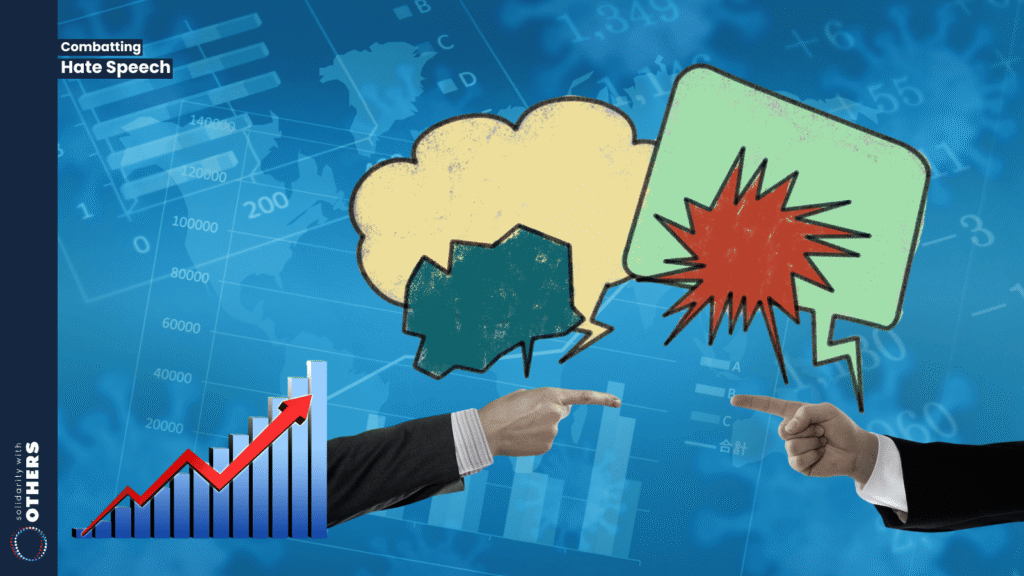
Algorithms on social media amplify content through recommendation systems and echo chambers. Meanwhile, unclear rules and inconsistent enforcement allow harmful content to persist. Together, these factors create conditions where negative narratives can take hold and escalate.
-
Psychological and Moral Normalisation
Repetition and manipulative framing of offensive or exclusionary statements can make them appear acceptable. Over time, audiences may become desensitised, reducing empathy for potential victims and psychologically lowering barriers to harmful behaviour.
From Words to Violence: Real-World Examples
Hate speech does more than offend, it quietly shapes how people think and behave, creating conditions where violence becomes more likely. In the Netherlands, a CBS report described a daylight “honour killing” in which a woman was stabbed to death in front of her three-year-old daughter. Chat logs revealed that the perpetrators justified their actions by claiming the victim had dishonoured the family, reflecting how cultural narratives and harmful rhetoric can normalize extreme violence.
Similarly, in Iran, a June 2025 WNCRI report documented cases of femicide in which women were killed by male relatives. These killings were facilitated by discriminatory laws and weak legal protections, but underlying them was a broader culture of demeaning and controlling language toward women and social messages that implicitly condone gender-based violence.
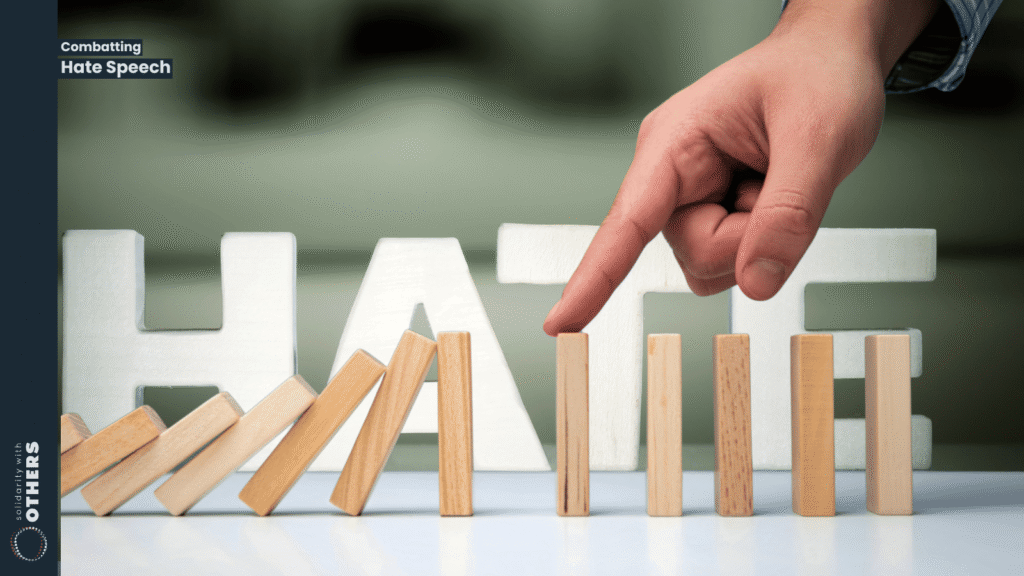
These examples show that by shaping moral reasoning, reinforcing social hierarchies, and legitimizing hostility, hate speech lays the psychological and social groundwork that makes violent acts conceivable.
Conclusion
Hate speech is more than just offensive words. It is a hidden driver of violence. By shaping social norms and reinforcing divisions between groups, hate speech quietly creates the conditions for violent acts. It also normalises hostile behaviour. Hate speech works by subtly altering how individuals perceive potential victims. In doing so, it lowers moral and psychological barriers to aggression. It also strengthens group identities that condone harm.
Over time, repeated exposure to hateful content can desensitize communities. This makes violence seem acceptable or even necessary. The rise of online platforms amplifies these effects. Small-scale rhetoric can spread rapidly. It gains social reinforcement that normalises hostility and increases the risk of real-world attacks. Patterns of online harassment, discriminatory speech, and community-level tensions show that the consequences of hate speech are cumulative and systemic.
Addressing this challenge requires coordinated action. Legal frameworks must hold perpetrators accountable. Social media platforms need robust moderation policies. Communities must be educated to question and resist harmful narratives. Early recognition, monitoring, and proactive intervention are essential. They help prevent hate speech from escalating into tangible crimes. By taking these measures, society can disrupt the path from harmful words to violent acts, protecting individuals and communities from its invisible but significant harms.