

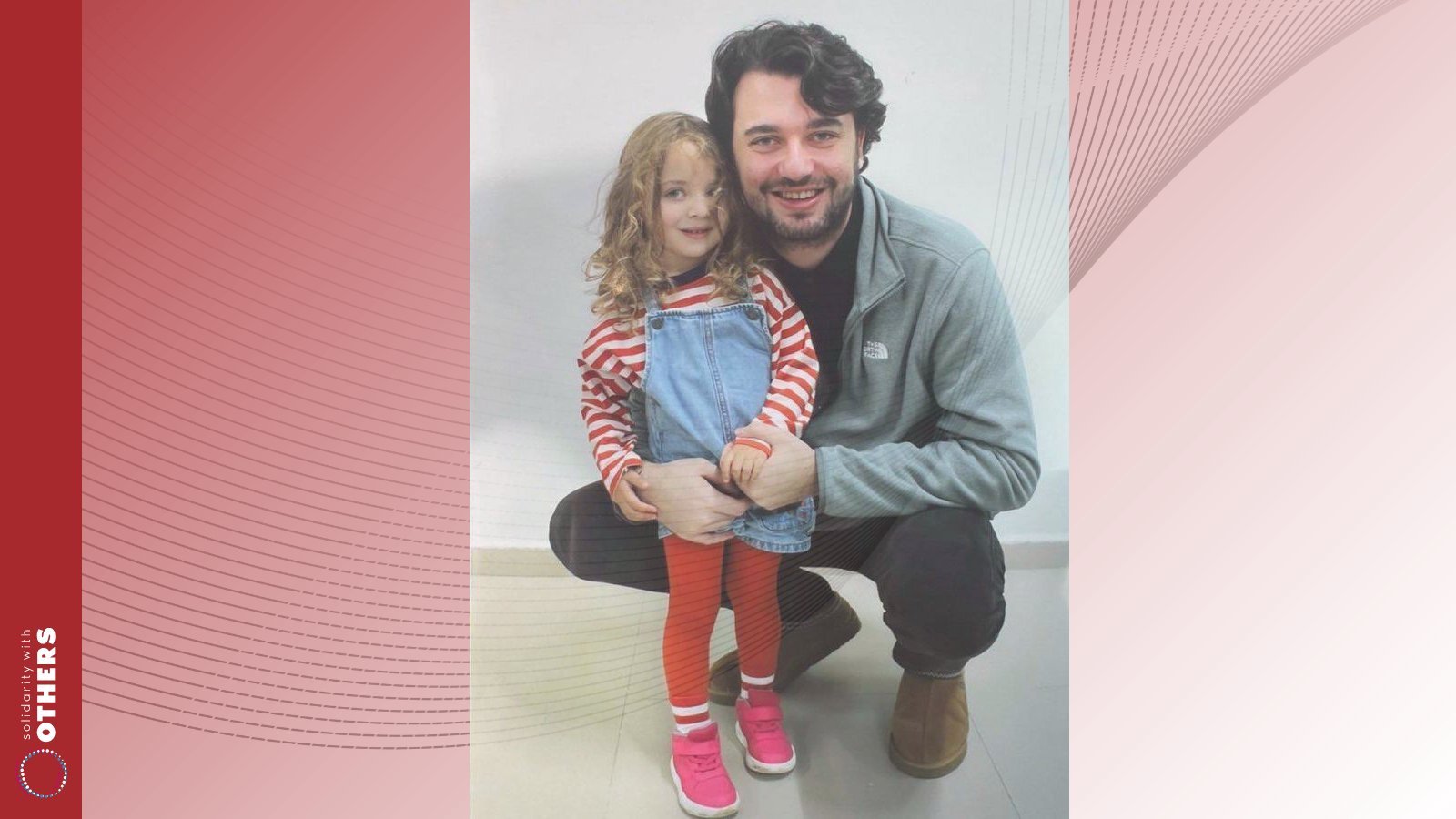
Mehmet Pehlivan is the lawyer for Ekrem İmamoğlu, the imprisoned mayor of Istanbul. He was arrested on 19 June 2025 and charged with membership of a criminal organisation. Among the acts listed against him in the indictment: mounting the best possible defence for his client, and helping to gather evidence in his client’s favour.
Turkish law requires Ministry of Justice authorisation before a lawyer can be investigated for conduct arising from professional practice. Pehlivan raised this. The prosecution proceeded anyway. On the day he was detained, the Union of Turkish Bar Associations, all 80 provincial bars and a number of foreign bars said the detention was unlawful.
He has now been held 439 days. His lawyers argue that Turkish criminal procedure caps pre-trial detention for this offence at one year, and that the cap passed months ago. He remains in a single cell at Çorlu Karatepe High Security Prison.
On 31 August, Cumhuriyet published a column he wrote from that cell, framed as a guide to being in prison. He describes exercising alone, going to the yard alone, and lawyers’ visiting cabins as almost the only place he encounters another person. He requested an exercise mat; the prison board refused it in writing, citing the risk that he might harm himself or others.
He ends by refusing the frame his own piece invites. Prisons, he writes, are not experience centres. He notes that hundreds of rights violations continue in Turkish prisons, that his days pass under severe isolation, and that on visiting days he is left with his three-year-old daughter’s questions — how to describe an indefinite length of time to a child who has no concept of time yet.
A lawyer has been in prison for fourteen months for representing a client. He is writing about how to survive it.
Sources:
Legal Note:
Principle 18 of the UN Basic Principles on the Role of Lawyers provides that lawyers shall not be identified with their clients or their clients’ causes as a result of discharging their functions. Principle 16 requires states to ensure lawyers can perform their professional functions without intimidation, hindrance, harassment or improper interference. Principle 20 protects statements made in professional appearances before a court.
An indictment that lists defending a client and gathering evidence in his favour as elements of an offence does not sit alongside these principles. It contradicts them directly.
Article 5(3) ECHR entitles a detained person to trial within a reasonable time or to release pending trial. Where domestic law itself sets a maximum detention period and that period has expired, continued detention raises a question under Article 5(1) as well.